Cardiovascular Risk Factors Linked to Smaller Brain Regions Associated with Early Alzheimer’s and Dementia Risk
Specific cardiovascular risk factors—such as alcohol consumption, smoking, obesity, and diabetes—are associated with smaller volumes in distinct brain regions that may serve as early indicators of Alzheimer’s disease and dementia, according to a study published in Radiology.
“We already know that vascular risk factors damage the brain and can lead to cognitive impairment,” said Kevin S. King, M.D., assistant professor of radiology at the Keck School of Medicine of the University of Southern California. “Our results provide a clearer picture of how particular cardiovascular risks relate to brain structure and function.”
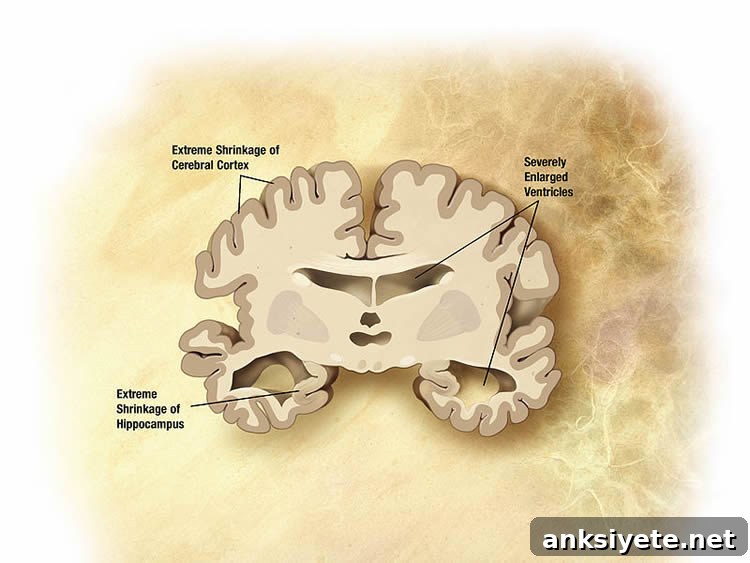
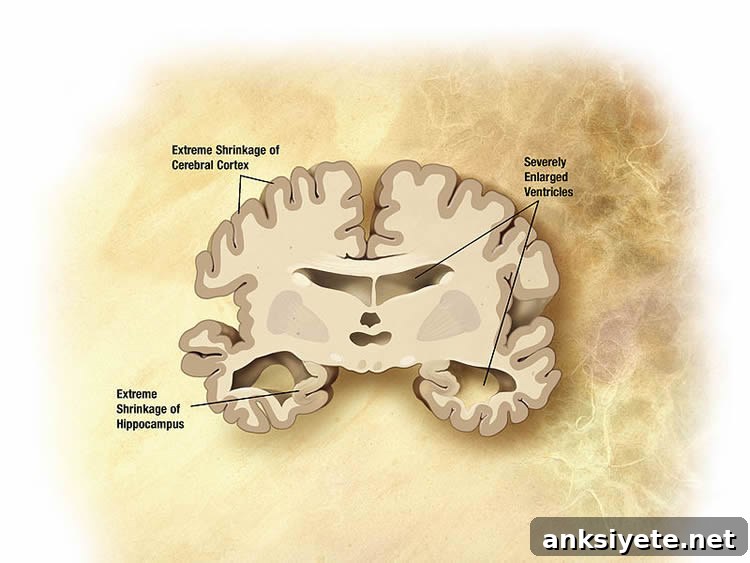
Previous research has established links between cardiovascular risk and cognitive decline. This study narrows the focus to individual risk factors and examines three brain regions— the hippocampus, precuneus, and posterior cingulate cortex—areas known to be involved in memory retrieval and commonly affected early in Alzheimer’s disease. Loss of gray matter volume in these regions can be an early sign of future cognitive problems.
Researchers analyzed data from 1,629 participants in the Dallas Heart Study, splitting the cohort into two groups: 805 individuals younger than 50 and 824 individuals aged 50 and older. Baseline clinical and laboratory data were gathered at the initial visit. Approximately seven years later participants underwent brain MRI with automated volumetry and cognitive testing using the Montreal Cognitive Assessment (MoCA) to assess mild cognitive impairment and preclinical signs of Alzheimer’s disease.
By comparing baseline cardiovascular risk factor profiles with later MRI measurements and cognitive test scores, investigators identified associations between specific risks—alcohol use, smoking, diabetes, and obesity—and decreased gray matter volume in targeted brain regions. Across the cohort, lower cognitive performance correlated with reduced volume in the hippocampus, precuneus, and posterior cingulate.
Key findings include:
- Alcohol use and diabetes were associated with smaller total brain volume.
- Smoking and obesity were linked to reduced volume of the posterior cingulate cortex, a region involved in memory retrieval, emotion, and social behavior.
- Lower hippocampal volume was associated with both alcohol use and smoking.
- Alcohol use, obesity, and elevated fasting blood glucose correlated with smaller precuneus volume.
The study also identified age-dependent patterns. In participants aged 50 and older, reduced hippocampal and precuneus volumes were more strongly associated with cognitive decline, suggesting these regions may serve as early indicators of risk in midlife and beyond. In contrast, smaller posterior cingulate volumes were more predictive of lower cognitive scores in participants under 50.
Dr. King emphasized the importance of prevention: “We currently do not have effective disease-modifying treatments for Alzheimer’s. That makes prevention and early identification of risk factors crucial. In the future, routine clinical imaging could potentially provide patients with clear, actionable information about how different cardiovascular risk factors are affecting their brain health. Because these findings arise from standard imaging techniques, they could be implemented across many centers.”
Funding: This research was supported by the National Institutes of Health (NIH).
Source: Linda Brooks – RSNA
Original Study: The study is titled “Cardiovascular Risk Factors Associated with Smaller Brain Volumes in Regions Identified as Early Predictors of Cognitive Decline,” published online in Radiology (July 28, 2015). Authors include Rajiv N. Srinivasa, Heidi C. Rossetti, Mohit K. Gupta, Roger N. Rosenberg, Myron F. Weiner, Ronald M. Peshock, Roderick W. McColl, Linda S. Hynan, Richard T. Lucarelli, and Kevin S. King.
Abstract (Condensed)
Purpose: To identify, in a large multiethnic cohort, which cardiovascular and genetic risk factors are linked to smaller volumes in the hippocampus, precuneus, and posterior cingulate, and to determine how these volume differences relate to preclinical cognitive deficits in people younger and older than 50.
Methods: The study analyzed 1,629 Dallas Heart Study participants (mean age 50.0 ± 10.2 years). Baseline laboratory and clinical measurements were collected, and roughly seven years later participants underwent brain MRI with automated volumetry and cognitive testing with the MoCA. Regression analyses assessed associations between risk factors and regional brain volumes and between those volumes and cognitive performance, stratified by age group.
Results: Lower hippocampal volume correlated with past alcohol use and smoking. Alcohol use and diabetes related to smaller total brain volume. Smoking and obesity were associated with reduced posterior cingulate volume. Alcohol, obesity, and elevated fasting glucose correlated with smaller precuneus volume. In younger participants, MoCA scores were most strongly associated with posterior cingulate volume; in older participants, MoCA scores were associated with hippocampal and precuneus volumes.
Conclusion: Specific cardiovascular risk factors are associated with reduced volume in brain regions considered early markers of dementia risk. These associations vary by age group and correspond to detectable differences in cognitive performance, highlighting the potential value of cardiovascular risk management for brain health and dementia prevention.