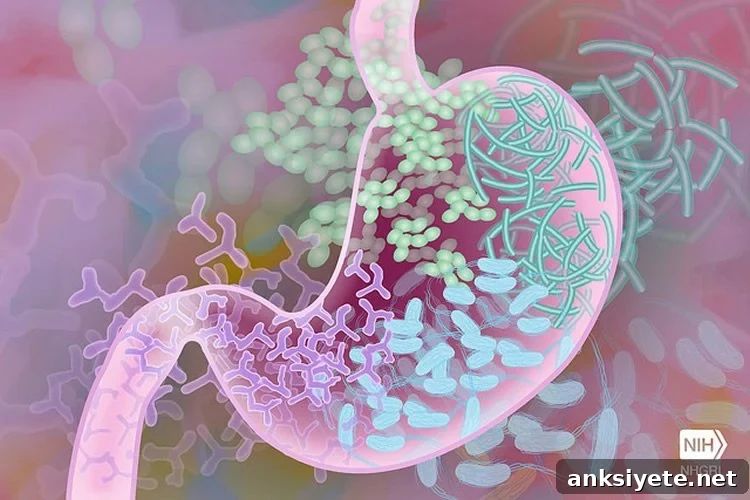
Summary: A new study finds that several FDA-approved artificial sweeteners and some sports supplements can be toxic to gut bacteria. Researchers report that exposure to certain concentrations of these sweeteners alters microbial activity, a change that could be linked to a variety of health concerns.
Source: Ben-Gurion University of the Negev
Study overview
Researchers at Ben-Gurion University of the Negev (BGU) in Israel, in collaboration with Nanyang Technological University in Singapore, report that six common artificial sweeteners and a selection of sports supplements containing them showed toxicity to model gut bacteria in laboratory tests. The findings were published in the journal Molecules and examine how low concentrations of these additives affect microbial activity.
The research measured the relative toxicity of six FDA-approved artificial sweeteners—aspartame, sucralose, saccharin, neotame, advantame, and acesulfame potassium (ace-k)—and of ten commercially available sports supplements that include these sweeteners. Toxic responses were observed in the modified bacterial models at concentrations as low as 1 mg/mL for some compounds.
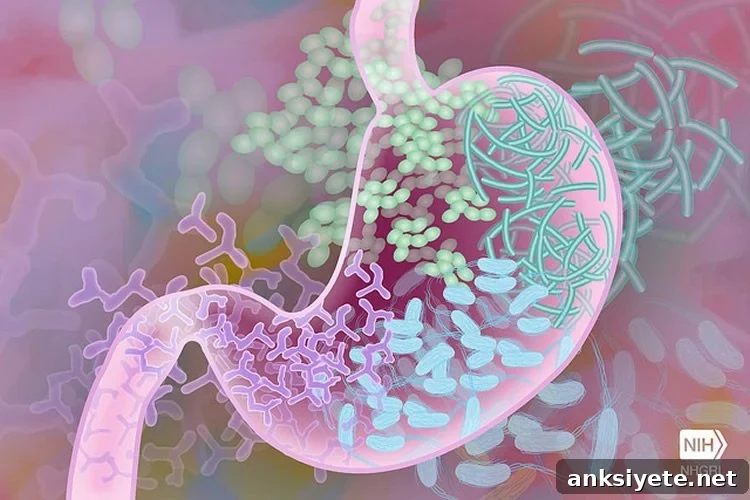
To model the response of gut microbes, the team used genetically modified bioluminescent Escherichia coli strains that emit light when they detect toxicants. These strains serve as a simplified, sensitive proxy for more complex microbial communities in the digestive tract. The assay measured both bioluminescence signals and bacterial growth to detect toxic effects and to distinguish different response patterns.
Two main patterns emerged in the bioluminescence assays: inhibition of light emission and induction (increased luminescence). For example, sucralose produced an inhibitory response across all tested strains at varying minimum luminous inhibitory concentrations (MLIC): 1 mg/mL for strain TV1061, 50 mg/mL for DPD2544, and 100 mg/mL for DPD2794. Neotame showed inhibition in strain DPD2544 at 2 mg/mL. Conversely, saccharin induced luminescence in some strains (MLIndC = 5 mg/mL in TV1061 and DPD2794), aspartame induced a response in DPD2794 at 4 mg/mL, and ace-k induced luminescence in DPD2794 at 10 mg/mL.
These laboratory results suggest that artificial sweeteners can alter bacterial behavior at concentrations that may be relevant for environmental detection or direct exposure. The authors emphasize that these outcomes represent effects on E. coli strains used as a sensing model rather than a direct clinical evaluation of human gut health. Nevertheless, the observed changes support growing concern that artificial sweeteners can modify microbial activity, which has been associated in other research with metabolic and inflammatory conditions.
Methods and potential applications: The study used a panel of genetically engineered bioluminescent bacteria to detect and characterize toxic responses to individual sweeteners and to commercial supplements. Because each compound produced a specific mode-of-action pattern (induction vs. inhibition and differing concentration thresholds), the authors suggest that similar bacterial panels might be adapted for environmental monitoring of artificial sweeteners in water sources and for comparative toxicity screening.
Funding and authors: The research was supported by the National Research Foundation of Singapore under the CREATE program, the Singapore-HUJ Alliance for Research and Enterprise (SHARE), the Institute for Sport Research, and the Singapore International Graduate Award. Contributors from Ben-Gurion University include Ariel Kushmaro, Dorin Harpaz, and Robert S. Marks. Additional contributors are Trish H. P. Koon, Alfred I. Y. Tok, Loo Pin Yeo, Francesca Cecchini, and Evgeni Eltzov. The full study is published in Molecules (2018).
Artificial sweeteners are widely used in foods and beverages as sugar substitutes and are increasingly detected as environmental pollutants in surface and groundwater. This study evaluated the relative toxicity of six FDA-approved sweeteners and ten sports supplements using bioluminescent E. coli strains as a model for gut bacteria. The bacterial panel revealed both inhibitory and inductive luminescence responses at specific concentrations, indicating that these compounds can alter microbial activity. The findings provide comparative toxicity data for these sweeteners and suggest the potential use of bioluminescent bacterial panels as detection and screening tools.
This summary highlights laboratory findings on model bacterial strains and does not substitute for clinical or epidemiological evidence about human health outcomes. The study contributes to an evolving body of research examining how artificial sweeteners interact with microbial communities and the environment.