Summary: Bartonella infection may contribute to progressive psychiatric symptoms associated with schizophrenia and Pediatric Acute-Onset Neuropsychiatric Syndrome (PANS) in a subset of patients.
Source: North Carolina State University
In a recent case study, researchers at North Carolina State University describe an adolescent initially diagnosed with sudden-onset schizophrenia who was ultimately found to have a Bartonella henselae bloodstream infection. The report adds to growing evidence that Bartonella infections can mimic a range of chronic conditions, including psychiatric and neurological disorders, and highlights the need to investigate microbial contributions to mental illness.
Bartonella is a genus of bacteria commonly associated with cat scratch disease. Until recently, these infections were often considered short-lived and self-limiting. However, more sensitive culture techniques and molecular diagnostics have identified at least 30 Bartonella species, 13 of which are known to infect humans. Bartonella organisms can persist by sequestering within the lining of blood vessels, making detection difficult and allowing the bacteria to be implicated in diverse chronic symptoms—from migraines and seizures to autoimmune-like conditions—where other causes were not apparent.
Published in the Journal of Central Nervous System Disease, the case report details a previously healthy 14-year-old boy who developed abrupt psychotic symptoms, including hallucinations, delusions, and suicidal and homicidal ideation. Over an 18-month period he was evaluated by multiple specialists and received a range of psychiatric medications and immunosuppressive treatments for suspected autoimmune encephalitis, but his symptoms persisted.
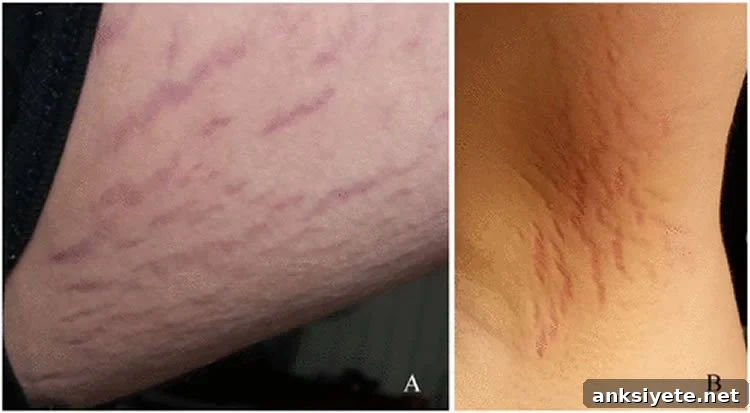
Diagnosis changed when a treating physician identified unusual skin lesions that can be associated with Bartonella infection. Subsequent testing on a research basis—including serology (indirect fluorescent antibody assays), polymerase chain reaction (PCR) amplification and DNA sequencing, plus Bartonella enrichment blood culture—detected Bartonella henselae DNA in the patient’s bloodstream despite prior doxycycline therapy. Standard serology tests were negative, underscoring how conventional testing may miss active infection.
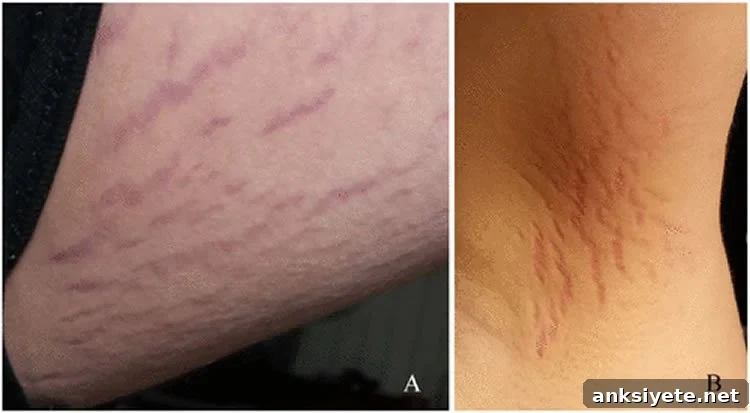
Following diagnosis, the patient received combination antimicrobial chemotherapy. Over the course of treatment he experienced a steady reduction in neuropsychiatric symptoms, discontinued psychiatric medications, and saw resolution of the skin lesions. Ultimately, he returned to his pre-illness activities and functioning.
“This case is notable for several reasons,” says Dr. Ed Breitschwerdt, Melanie S. Steele Distinguished Professor of Internal Medicine at NC State and lead author of the report. “It suggests that B. henselae bloodstream infection can underlie progressive neuropsychiatric symptoms that resemble schizophrenia or PANS in some patients. More broadly, it raises important questions about how often infectious agents contribute to psychiatric conditions.”
Researchers are increasingly examining infectious and inflammatory contributors to neurological diseases, including Alzheimer’s disease and other neurodegenerative or psychiatric disorders. This case provides concrete evidence that a bacterial infection can present primarily with psychiatric symptoms and that targeted antimicrobial therapy can lead to recovery in at least some patients.
Co-authors of the case report include NC State research associate professor Ricardo Maggi, research technician Julie Bradley, psychiatrist Dr. Rosalie Greenberg, rheumatologist Dr. Robert Mozayeni, and pediatrician Dr. Allen Lewis. Funding for the work was provided by the College of Veterinary Medicine Bartonella/Vector Borne Disease Research Fund.
Source:
North Carolina State University
Media contact:
Tracey Peake – North Carolina State University
Image credit:
Breitschwerdt et al., Journal of Central Nervous System Disease.
Original research (open access):
Breitschwerdt, E. B., Greenberg, R., Maggi, R. G., Mozayeni, B. R., Lewis, A., & Bradley, J. M. (2019). “Bartonella henselae Bloodstream Infection in a Boy With Pediatric Acute-Onset Neuropsychiatric Syndrome.” Journal of Central Nervous System Disease. doi: 10.1177/1179573519832014
Abstract (summary):
Bartonella henselae Bloodstream Infection in a Boy With Pediatric Acute-Onset Neuropsychiatric Syndrome
Background:
Improved culture and molecular diagnostic tools have increasingly detected Bartonella species in blood and cerebrospinal fluid of patients with diverse neurological symptoms. Pediatric Acute-Onset Neuropsychiatric Syndrome (PANS) is marked by abrupt onset of cognitive, behavioral, or neurological changes. Between October 2015 and January 2017, a 14-year-old boy presented with sudden psychosis and was evaluated by multiple specialists.
Methods:
In March 2017, research-based testing included Bartonella serology (indirect fluorescent antibody), PCR amplification and DNA sequencing, and enrichment blood culture to detect bloodstream infection. PCR assays for other vector-borne pathogens were also performed to evaluate potential co-infections.
Results:
Despite hospitalizations, numerous psychiatric medication trials, and immunosuppressive therapy over 18 months, the patient remained psychotic until cutaneous lesions suggested neurobartonellosis. Even after nearly two months of doxycycline, Bartonella henselae DNA was PCR-amplified and sequenced from blood and from enrichment cultures, while serology remained negative. During combination antimicrobial chemotherapy, the patient’s neuropsychiatric symptoms gradually resolved, psychiatric medications were discontinued, skin lesions healed, and he returned to normal activities.
Conclusions:
This case report indicates that Bartonella henselae bloodstream infection can contribute to progressive, treatment-resistant neuropsychiatric symptoms consistent with PANS in some patients and highlights the importance of considering infectious etiologies in sudden-onset psychiatric illness.