Chromosome 19 May Harbor a Repressor That Controls X Chromosome Activation
Summary: New findings may help explain why slightly more males than females are born worldwide.
Source: Johns Hopkins Medicine
After nearly four decades of investigation, researchers at Johns Hopkins report evidence pointing to a region on human chromosome 19 that appears to block an RNA molecule responsible for ensuring only a single X chromosome remains active in early female embryos. Because X-inactivation is essential for normal female development in mammals, and activation of more than one X chromosome is typically lethal, this discovery may help explain the persistent slight excess of male births observed globally. The findings were published in PLOS ONE.
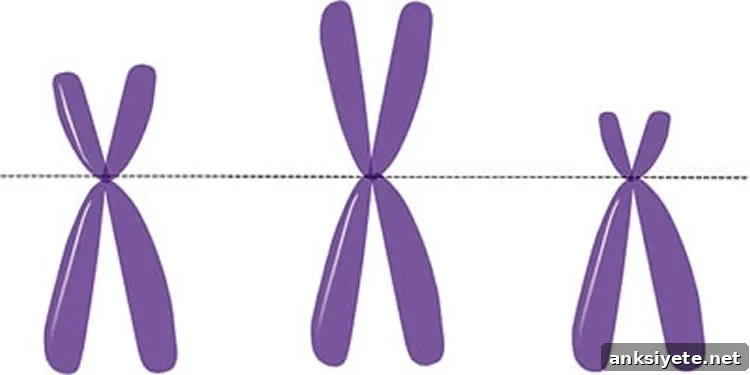
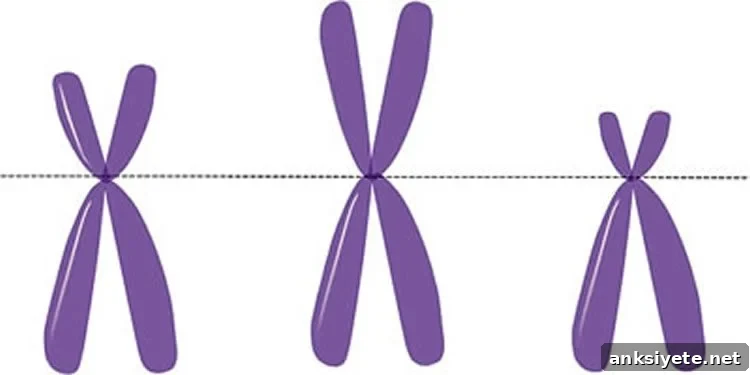
In most human cells there are 23 pairs of chromosomes (46 total): 22 pairs of autosomes that are the same in both sexes and a 23rd pair of sex chromosomes. Females usually have two X chromosomes, while males typically have one X and one Y. Researchers have long known that, in females, only one X chromosome remains active in each cell; the other is silenced through a process called X-inactivation.
Previous work by other groups identified a key silencing mechanism: the gene XIST (X-inactive specific transcript), located on the X chromosome. XIST produces an RNA that coats the X chromosome during early development and triggers the chromosome-wide silencing of gene expression.
Barbara R. Migeon, M.D., a professor of pediatrics at Johns Hopkins University School of Medicine and a pioneer in X-inactivation research, points out that nearly 40 years ago she and colleagues observed that some human embryos with triploidy (three complete sets of chromosomes instead of two) showed two active X chromosomes. That observation suggested the existence of a factor that can repress XIST activity, allowing more than one X to remain active in certain contexts.
The identity and genomic location of a putative XIST repressor remained unclear. To find it, the Johns Hopkins team analyzed cells from embryos with various autosomal trisomies — conditions in which a given autosome is present in three copies, such as the trisomy of chromosome 21 in Down syndrome. Because having two active X chromosomes is lethal very early in development, the investigators concentrated on autosomal trisomies that might influence X-inactivation and therefore survival before implantation.
The researchers found that embryos surviving to later stages showed trisomies involving many different autosomes, but trisomies of chromosomes 1 and 19 were conspicuously absent. The absence suggested that a gene affecting XIST repression might reside on one of those chromosomes; duplication of that region could be incompatible with female embryonic survival.
To narrow the search, the team examined genetic databases and genome browsers to identify genes on chromosomes 1 and 19 with functions linked to epigenetic regulation — enzymes and factors that add or remove chemical marks on DNA and histones that influence whether genes are expressed. They focused on regions that could plausibly affect XIST expression or function.
Using a third database that catalogs copy-number variations across tens of thousands of patients, the researchers looked for genomic segments where duplications or deletions showed a skewed sex ratio. Their reasoning was that duplication of a repressor region would enhance repression of XIST, potentially permitting two active X chromosomes in females and causing selective loss of female embryos, thereby altering the observed ratio of male to female births.
Only one genomic segment met all these criteria: an approximately eight-megabase region on the short arm of chromosome 19. Based on these analyses, the team concluded that one or more genes within this stretch are the most likely candidates for encoding a dose-sensitive repressor of XIST in humans.
Dr. Migeon suggests that any genetic change that produces a trisomy or partial trisomy of this chromosome 19 region could eliminate affected female embryos very early in development. Such preimplantation losses of female embryos may be one contributing factor to the modest global male bias in birth ratios (approximately 1.05–1.06 male births for every female birth). Because most experiments involving manipulation of human embryos are restricted by law in many countries, identifying the precise gene or genes within this candidate region may require careful study of naturally occurring human genetic variants or permitted experimental systems in regions where they are allowed.
Migeon’s work spans nearly six decades and focuses on how gene dosage from the X chromosome is balanced between males and females. Alongside her husband, retired pediatric endocrinologist Claude Migeon, she has contributed extensively to the understanding of sex chromosomes and sexual differentiation.
Other Johns Hopkins researchers involved in this study include Michael A. Beer and Hans T. Bjornsson.
Funding: Supported in part by the National Institutes of Health (Director’s Early Independence Award, DP5OD017877).
Source: Beatriz Vianna — Johns Hopkins Medicine
Abstract
Embryonic loss of human females with partial trisomy 19 identifies region critical for the single active X
To compensate for the difference in X chromosome number between sexes, humans maintain only one active X chromosome per cell. XIST, an RNA transcript present on all X chromosomes, silences X chromosomes in utero. To discover how the active X is protected from XIST-mediated silencing, the authors updated the search for a dosage-sensitive repressor of XIST using higher-resolution cytogenetic data. Based on an observed sex bias in copy-number variants, they identified a unique region on chromosome 19 and propose candidate genes within it that could inactivate XIST. Females with duplication of this region (partial trisomy 19) do not survive embryogenesis, and this early loss of females may contribute to the slightly higher number of male births worldwide.
Study authors: Barbara R. Migeon, Michael A. Beer, and Hans T. Bjornsson. Published in PLOS ONE, April 12, 2017.