
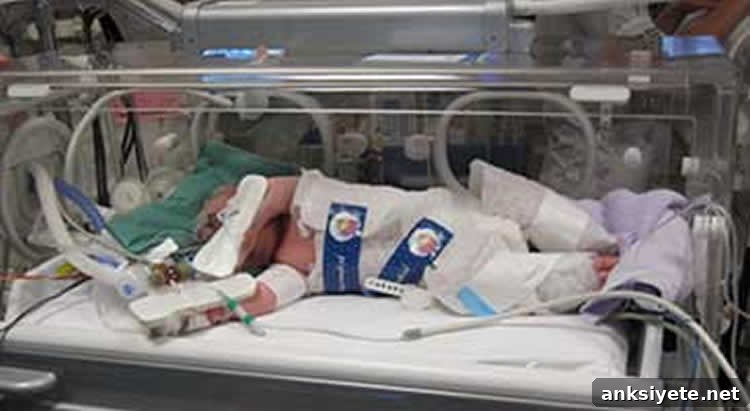
Cooling newborns who suffer perinatal asphyxia — oxygen deprivation around the time of birth — significantly increases their likelihood of surviving to school age without major brain injury, according to a large Medical Research Council (MRC) funded clinical trial conducted by researchers from the universities of Bristol, Oxford, Leeds, University College London, Imperial College London, Queen’s University Belfast and Homerton University Hospital, London.
Published in the New England Journal of Medicine, the trial found that 51.7% of infants treated with therapeutic hypothermia reached school age (six to seven years) with an IQ of 85 or higher — considered within the normal range — compared with 39.4% of children who received standard care alone. Cooling also substantially lowered the risk of cerebral palsy and other moderate to severe disabilities and produced measurable improvements in motor function. The study did not show a difference in overall mortality between groups: approximately 30% of enrolled infants died in both the cooled and standard-care arms of the trial.
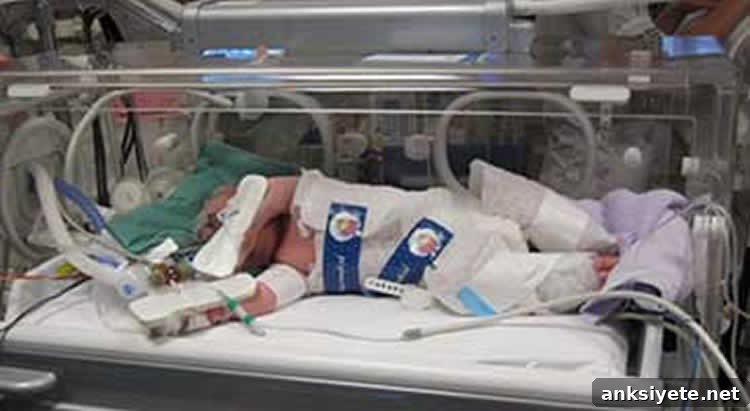
The trial — known as the MRC TOBY trial (TOBY: Total Body Hypothermia) — enrolled infants born at or after 36 weeks’ gestation who had experienced significant oxygen deprivation at birth. Participants were randomized within six hours of delivery to receive either standard neonatal care or standard care plus whole-body cooling, where the infant’s core temperature was reduced to about 33.5°C for 72 hours and then gradually re-warmed to normal body temperature.
This report is part of the TOBY Children Study, the long-term follow-up that evaluated whether benefits of cooling seen in infancy persist into later childhood. Researchers assessed cognitive development, school performance, motor skills and behaviour, and documented the presence and severity of disabilities linked to the initial oxygen injury. Assessments included standardized cognitive tests, information from parents and teachers about behaviour and special educational needs, and clinical neurological examinations to identify conditions such as cerebral palsy.
Perinatal oxygen deprivation triggers a cascade of metabolic and inflammatory events in the brain that can lead to cell death and permanent neurological impairment. Therapeutic hypothermia intervenes in these damaging processes, limiting the extent of injury. Previous trials established that cooling improves outcomes at 18 months; this study provides important evidence that those improvements are not merely short-lived but translate into better neurodevelopmental outcomes at school age. Because the method is relatively straightforward, cost-effective and has been incorporated into standard neonatal care, these long-term results strengthen its role as a key treatment after severe perinatal asphyxia.
Professor Denis Azzopardi of King’s College London, lead author of the study, said the findings confirm that cooling produces durable improvements in brain function into middle childhood and demonstrate that timely treatment after oxygen deprivation can have lasting benefit.
Professors Marianne Thoresen and Andrew Whitelaw, who contributed to the trial’s design, recruitment and analysis, emphasised that two decades of laboratory and clinical research support the protective effect of cooling. They noted that early recognition of hypoxic brain injury is critical because cooling provides the best protection when started as soon as possible after delivery. Despite progress, many children still sustain disabilities each year, so additional therapies are still needed to further enhance neuroprotection.
Brenda Strohm, research nurse and TOBY trial coordinator at the National Perinatal Epidemiology Unit, University of Oxford, thanked the families who participated in both the original trial and the long-term follow-up. She highlighted the privilege of staying in contact with families, sharing milestones and hearing about achievements as well as losses, and said the new findings help clinicians give families clearer information about likely outcomes not only in the months after treatment but also over the longer term.
Hugh Perry, chair of the MRC Neurosciences and Mental Health Board, noted that the study illustrates how focused research can change clinical practice and improve lives. He pointed out that, despite advances in obstetric care, around two per 1,000 newborns still experience significant oxygen deprivation at birth, and before the advent of cooling there were no proven therapies that reduced the long-term risk of brain injury following asphyxia.
Source: Marianne Thoresen – Bristol University
Contact: Bristol University press release
Image credit: Marianne Thoresen (adapted from Bristol University press release)
Original research: Abstract for “Effects of Hypothermia for Perinatal Asphyxia on Childhood Outcomes” by Denis Azzopardi et al., New England Journal of Medicine. Published online July 10, 2014. DOI: 10.1056/NEJMoa1315788