
Summary: Adults with developmental dyslexia show impaired phoneme discrimination when natural acoustic variation is present in speech. When that variation is removed, neural responses to speech sounds in dyslexic and typical readers are comparable. These findings indicate that difficulty extracting linguistically relevant, invariant cues from variable speech may hinder the formation of native-language phoneme categories early in life for infants at risk of dyslexia.
Source: University of Helsinki
A new study provides neural-level evidence that the continuous acoustic variability of natural speech makes phoneme discrimination more difficult for adults with developmental reading-deficit dyslexia.
Developmental dyslexia is commonly linked to problems in phoneme processing. Natural spoken language contains continuous acoustic variation: phonemes change acoustically depending on speaker identity, intonation, context and other factors. Successful speech comprehension relies on the ability to detect and categorize phonemes despite that variation. This study shows that dyslexic listeners struggle specifically when speech resembles this natural variability.
“In our experiment, dyslexic participants struggled particularly when acoustic variation was added to the stream of speech sounds. When the speech lacked that variation, neural processing of speech sounds did not differ between dyslexic and typical readers. These results point to a difficulty in grouping speech sounds into native-language phoneme categories,” explains Dr. Paula Virtala from the University of Helsinki.
Understanding the neural mechanisms behind dyslexia is important for designing targeted interventions for children with language and reading difficulties, and for identifying ways to support infants and young children at familial risk for dyslexia before reading problems emerge.
EEG recordings revealed group differences
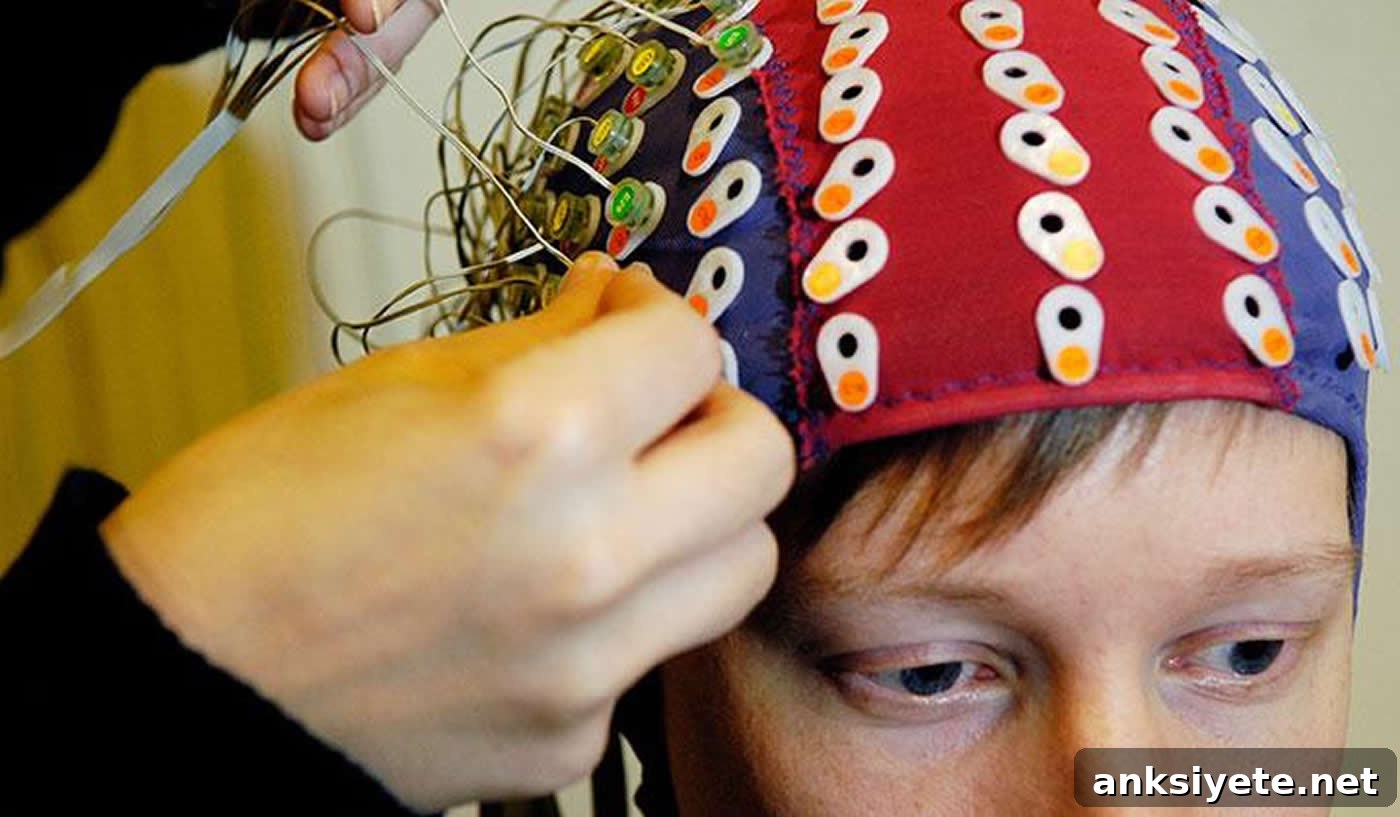
The study, published in Scientific Reports, measured brain responses in 18 adults with dyslexia and 20 typically reading adults using electroencephalography (EEG). Participants listened to a continuous stream of Finnish speech sounds presented either with variation in fundamental frequency (fo) or in a condition where that variation was absent.
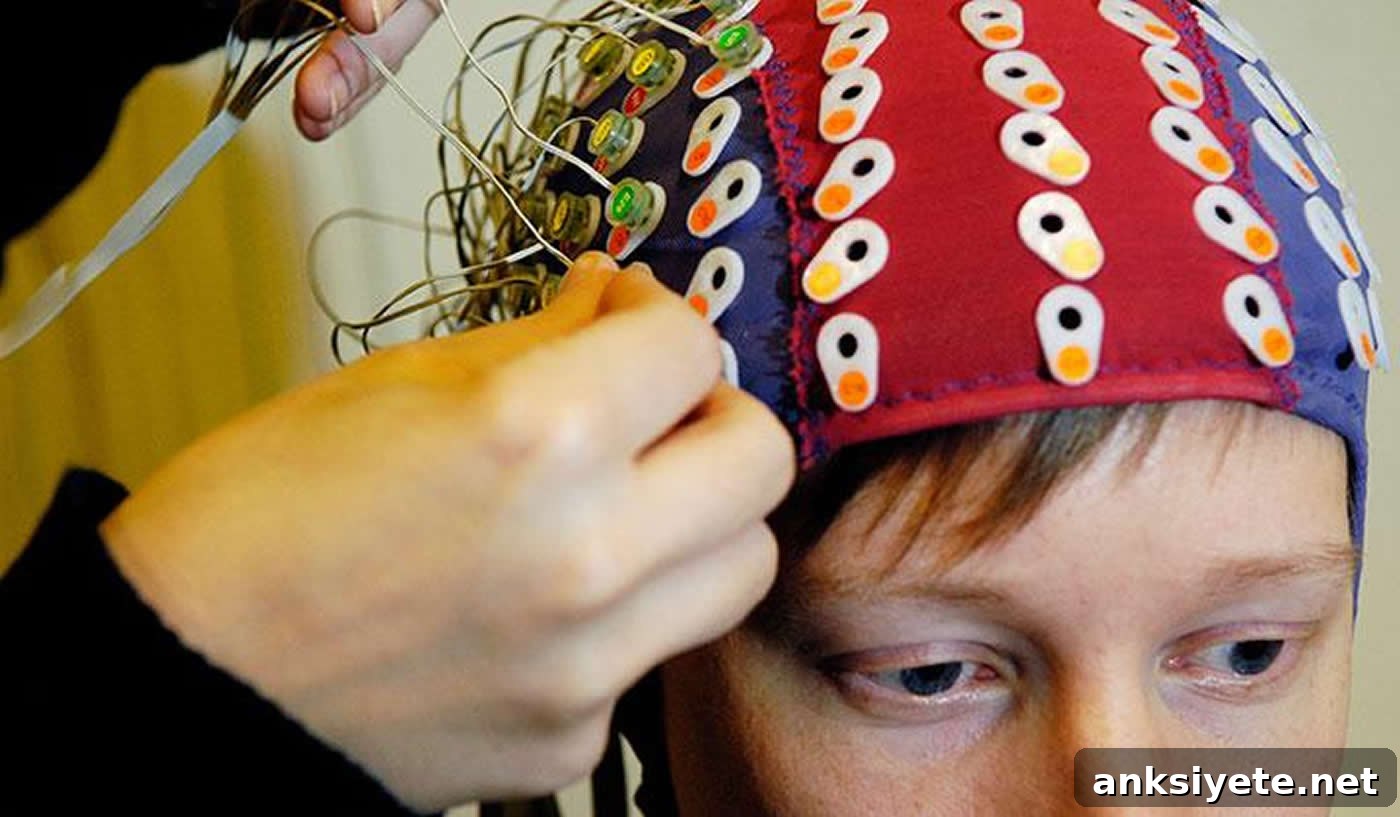
During passive listening, participants were instructed to direct their attention away from the sounds while the speech stream played. In an active listening task, they were asked to press a response button when they detected changes in the speech sounds. Auditory event-related potentials, including mismatch negativity (MMN) and P3a components, were recorded to quantify automatic and attentive neural responses to phoneme changes.
The EEG measures differed between dyslexic and control groups in both passive and active listening conditions when acoustic variation was present. Dyslexic participants were also behaviorally less accurate and showed lower hit rates when asked to detect phoneme changes in the variable context. In contrast, when the speech lacked acoustic variation, MMN responses did not differ between groups, indicating that basic neural sensitivity to phoneme differences can appear intact under simplified listening conditions.
“Studying adults allows for longer recording sessions and more varied experimental manipulations than is usually possible with children. We can apply these adult findings to support our ongoing longitudinal DyslexiaBaby project,” Dr. Virtala notes.
The DyslexiaBaby study, run by the Cognitive Brain Research Unit at the University of Helsinki in collaboration with Helsinki University Hospital and the University of Jyväskylä, tracks early language development in infants, with a focus on families where dyslexia is present.
About this neuroscience research article
Source:
University of Helsinki
Media contact:
Paula Virtala – University of Helsinki
Image credit:
Veikko Somerpuro
Original Research: Open access
“Poor neural and perceptual phoneme discrimination during acoustic variation in dyslexia.” by P. Virtala, S. Talola, E. Partanen & T. Kujala. Scientific Reports. DOI: 10.1038/s41598-020-65490-3
Abstract
Poor neural and perceptual phoneme discrimination during acoustic variation in dyslexia
Natural acoustic variation in speech typically does not impair phoneme discrimination in healthy adults, but it was hypothesized to pose a specific challenge for individuals with developmental dyslexia. The study compared neural and perceptual discrimination of native-language vowels (/æ/ and /i/) in two contexts: one with variation in fundamental frequency and one without. Electroencephalogram recordings focused on mismatch negativity (MMN) and P3a responses during both ignore (passive) and attentive listening. Perceptual discrimination in the variable context was measured using hit rates and reaction times. Results showed diminished MMN/N2b responses in dyslexic participants in the variable context, along with lower hit rates compared with controls. No group differences in MMN were observed in the non-variable context. These findings suggest that even acoustically distinctive vowels become challenging to discriminate for dyslexics when speech mimics natural variability, indicating weakened categorical perception of phonemes. Difficulty detecting linguistically relevant invariant features amid acoustic variation may contribute to impaired formation of native-language phoneme representations during infancy. The study highlights that simple experimental paradigms with repetitive stimuli may fail to reveal dyslexics’ speech-processing deficits.