
The First Lancet Commission on Dementia Prevention and Care: How One in Three Cases May Be Preventable
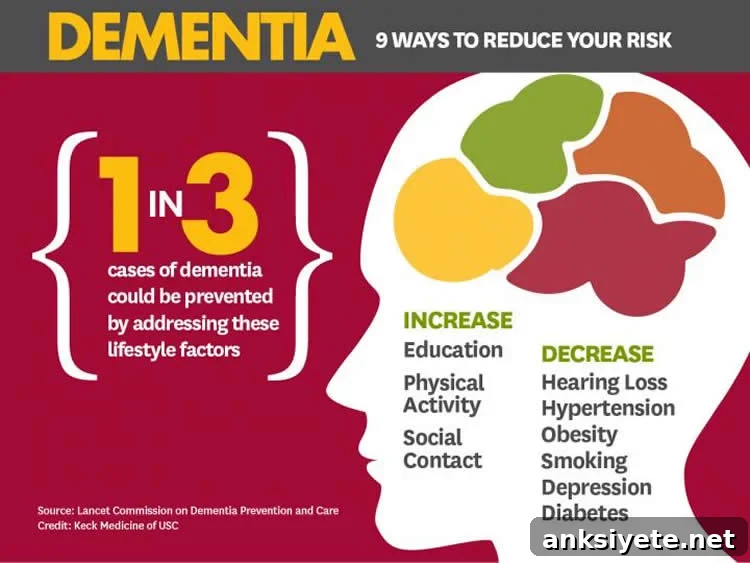
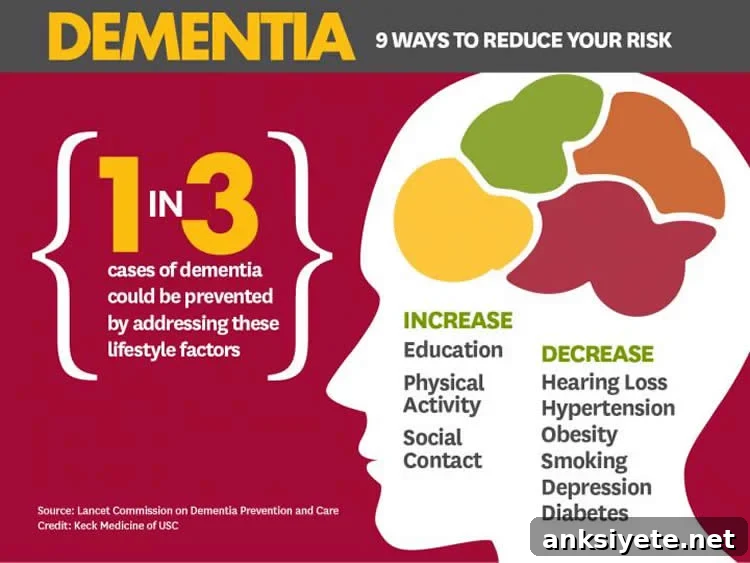
Summary: An international commission has identified nine modifiable risk factors across the life course that increase the likelihood of dementia. Researchers estimate these factors account for roughly 35% of dementia cases worldwide. By reducing these risks and strengthening education, dementia incidence could fall substantially.
Source: USC
Key Findings: Prevention, Risk Reduction, and Nonpharmacologic Care
A major international review led by the first Lancet Commission on Dementia Prevention and Care highlights powerful, evidence-based strategies to reduce dementia risk and improve quality of life for people living with dementia. Presented at the Alzheimer’s Association International Conference (AAIC) 2017 and published in The Lancet, the report emphasizes that lifestyle and social interventions can substantially lower dementia risk and that nonpharmacologic therapies offer meaningful benefits for people who already have dementia.
The commission convened 24 global experts to systematically review existing research and provide practical recommendations for prevention, clinical care, and caregiver support. With an estimated 47 million people living with dementia today—and projections rising to 66 million by 2030 and 115 million by 2050—the report stresses the urgency of implementing preventive measures and improving care models.
Nine Modifiable Risk Factors Across the Life Course
The commission identifies nine risk factors distributed across early life, midlife and late life that contribute to the development of dementia. Collectively, these factors are thought to account for about 35 percent of dementia cases, meaning that targeted public health and clinical actions could prevent a substantial proportion of future cases.
Early life: Increasing access to and the quality of education in childhood can build cognitive reserve and reduce dementia risk decades later.
Midlife: Addressing hearing loss, uncontrolled hypertension, and obesity during midlife appears particularly important. Effective management of these conditions is linked to lower subsequent dementia risk.
Late life: Modifying behaviors and treating conditions in older adulthood also matters. Stopping smoking, diagnosing and treating depression, promoting regular physical activity, increasing social engagement, and managing diabetes can together reduce dementia incidence further.
According to commission members, combining improvements in education with prevention and treatment of midlife and late-life risk factors could cut dementia incidence by a meaningful percentage—estimates suggest as much as a 20 percent reduction from early- and midlife interventions and an additional roughly 15 percent from late-life actions.
Nonpharmacologic Interventions: Effective, Safer Options for Symptoms and Cognition
Beyond prevention, the commission evaluated treatments for people who already have dementia. The evidence supports nonpharmacologic approaches—psychological, social and environmental interventions—as effective, and often preferable, options for many common dementia-related problems, notably agitation and aggression.
While antipsychotic medications are frequently used to manage agitation, their use raises concerns about increased risk of death, cardiovascular events, infections, and excessive sedation. In many cases, interventions such as increased social contact, structured activities, tailored behavioral strategies and environmental modifications are safer and more effective.
Group cognitive stimulation therapy and programs that increase physical activity were found to confer modest cognitive benefits and to improve well-being. Overall, the commission recommends prioritizing individualized, nonpharmacologic strategies and using medications only when necessary and after careful consideration of risks and benefits.
Comprehensive Recommendations and Practical Actions
The full commission report offers detailed guidance for policymakers, clinicians, caregivers and people at risk of dementia. Key areas covered include primary prevention, management of cognitive symptoms, personalized dementia care, caregiver support, advance planning after diagnosis, management of neuropsychiatric symptoms, and compassionate end-of-life care.
Practical steps recommended by the commission include expanding access to education, improving hearing care and cardiovascular risk management, promoting healthy weight and physical activity across the life course, supporting mental health services for older adults, and creating community programs that reduce social isolation.
Research, Funding and Acknowledgements
The commission’s report was presented at AAIC 2017 and published in The Lancet. Funding and support for the work came from multiple institutions including University College London, the Alzheimer’s Society (UK), the Economic and Social Research Council, and Alzheimer’s Research UK. The report was authored by a multinational team of clinicians and researchers and summarizes the evidence base available as of its publication in July 2017.
Acting now on the evidence for prevention, timely intervention, and improved nonpharmacologic care can significantly improve life for individuals with dementia and their families while reducing future societal burden. Focused public health action and broad implementation of the report’s recommendations offer realistic, evidence-based opportunities to lower dementia incidence and improve care worldwide.
This article summarizes findings from the Lancet Commission report “Dementia prevention, intervention, and care” and related presentations at the Alzheimer’s Association International Conference (AAIC) 2017. Image credit: Keck Medicine of USC.