
Protein linked to neurodegenerative disease shapes early neuronal circuit formation
New research from Duke University shows that the protein mutated in Huntington’s disease plays a vital role in wiring the brain during early development. The findings suggest that some features of Huntington’s and potentially other neurodegenerative disorders may originate long before clinical symptoms appear.
Huntington’s disease is a progressive neurodegenerative condition characterized by motor problems, cognitive decline, mood disturbances and behavioral changes. By the time these symptoms manifest—typically in midlife—widespread damage has already occurred in the brain.
Published July 9 in the Journal of Neuroscience, the study led by Cagla Eroglu, an assistant professor of cell biology at Duke University School of Medicine and member of the Duke Institute for Brain Sciences, identifies a direct developmental role for huntingtin (Htt), the protein altered in Huntington’s disease.
“These results are important because they imply that if we can identify and understand the early developmental errors, we might be able to intervene before the disease becomes clinically apparent,” Eroglu said. The new data add to growing evidence that neurodevelopmental processes may influence later-life neurodegeneration.
While investigating molecules involved in synapse formation in young mice, Eroglu’s team unexpectedly identified huntingtin as a key player. Huntingtin is expressed throughout the body and is known to form intracellular aggregates in neurons of people with Huntington’s disease. However, its potential role in the initial formation and maturation of synapses had not been thoroughly examined.
To define Htt’s role during synaptogenesis, the researchers engineered mice in which the huntingtin gene is specifically deleted in the cerebral cortex, a brain region involved in perception, memory and higher cognitive functions and a region affected in Huntington’s disease. The cortical deletion allowed the team to study how the absence of normal Htt affects circuit formation during early postnatal development.
At three weeks of age—roughly equivalent to the first two years of human life in terms of circuit maturation—the mutant mice exhibited an accelerated pattern of synapse formation in cortex compared with control animals. Synapses initially matured faster in the absence of cortical Htt, indicating Htt normally helps regulate the timing of synapse development.
However, by five weeks of age, when active synaptic pruning normally refines and strengthens specific connections, the cortical circuits in Htt-deficient mice had largely deteriorated. Electrophysiological studies conducted in collaboration with Henry Yin, an assistant professor of psychology & neuroscience, revealed profound alterations in synaptic physiology in the mutant animals, consistent with dysfunctional excitatory circuits.
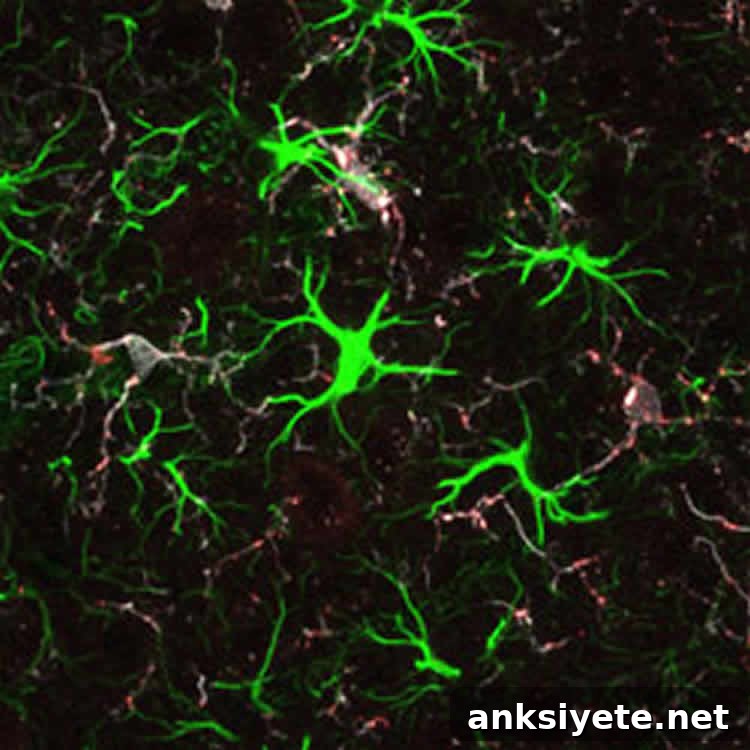
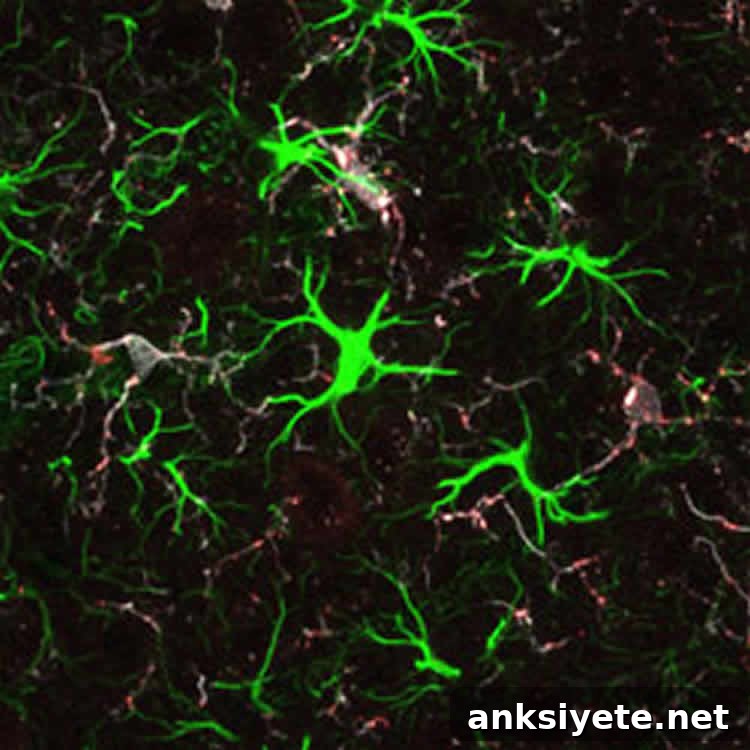
Beyond physiological dysfunction, the researchers observed cellular stress and inflammatory responses localized to cortical areas that project to the striatum—a subcortical region prominently affected in Huntington’s disease. Reactive astrocytes and activated microglia were present in the same pathways where synaptic connections were most disrupted. “There’s something about that particular cortical-to-striatal circuit that is especially vulnerable to changes in Htt,” Eroglu noted.
The team also examined a genetic mouse model that carries one normal Htt allele and one mutated allele, paralleling the genetic situation in most people with Huntington’s disease. These heterozygous animals showed the same pattern of early, accelerated synaptic maturation followed by subsequent synapse loss in cortex, reinforcing the link between altered huntingtin and disrupted circuit development.
These results indicate that normal Htt is required not only for the proper timing of synapse formation but also for the maintenance of healthy excitatory connections. This has important implications for therapeutic strategies that aim to lower overall Htt levels in the brain using gene-silencing approaches or small-molecule inhibitors. Because current methods struggle to selectively target only the mutated huntingtin allele, reducing total Htt could inadvertently impair synapse formation or maintenance.
To address this concern, the laboratory plans additional experiments in which Htt is deleted later in life to determine how reductions in the protein affect established synapses and adult circuit stability. They will also examine other Huntington’s disease mouse models to determine whether early synaptic abnormalities are a general feature and whether early correction of faulty connections can slow or prevent later degeneration.
The study received support from the CHDI Foundation, the Holland-Trice Scholars program, and grants from the National Institutes of Health (NIH/NIDA DA031833 and NIH/NINDS NS043466).
Spencer McKinstry, a graduate student in Dr. Eroglu’s lab, is the first author on the manuscript. Additional contributors include Yonca B. Karadeniz, Atesh K. Worthington, M. Ilcim Ozlu, W. Christopher Risher, Tuna Ustunkaya (Duke Cell Biology); Volodya Hayrapetyan and Henry Yin (Duke Psychology & Neuroscience); Ioannis Dragatsis (Center for Genomics & Bioinformatics, University of Tennessee Health Science Center); and Scott Zeitlin (Department of Neuroscience, University of Virginia School of Medicine).
Source: Karl Leif Bates – Duke
Contact: Duke press release
Image Source: The image is credited to Spencer McKinstry and is adapted from the Duke press release
Original Research: Abstract for “Huntingtin is Required for Normal Excitatory Synapse Development in Cortical and Striatal Circuits” by Spencer U. McKinstry et al., Journal of Neuroscience. Published online July 9, 2014. doi:10.1523/JNEUROSCI.4699-13.2014