
Summary: Scientists have developed a faster method to produce three-dimensional human brain models in the lab. This approach shortens the time required to produce mature neural and glial interactions, potentially speeding research into neurological injury and disease and improving drug screening.
Source: Houston Methodist.
Houston Methodist Research Institute researchers have engineered 3-D mini brain models from human stem cells that accelerate studies of brain and spinal cord repair.
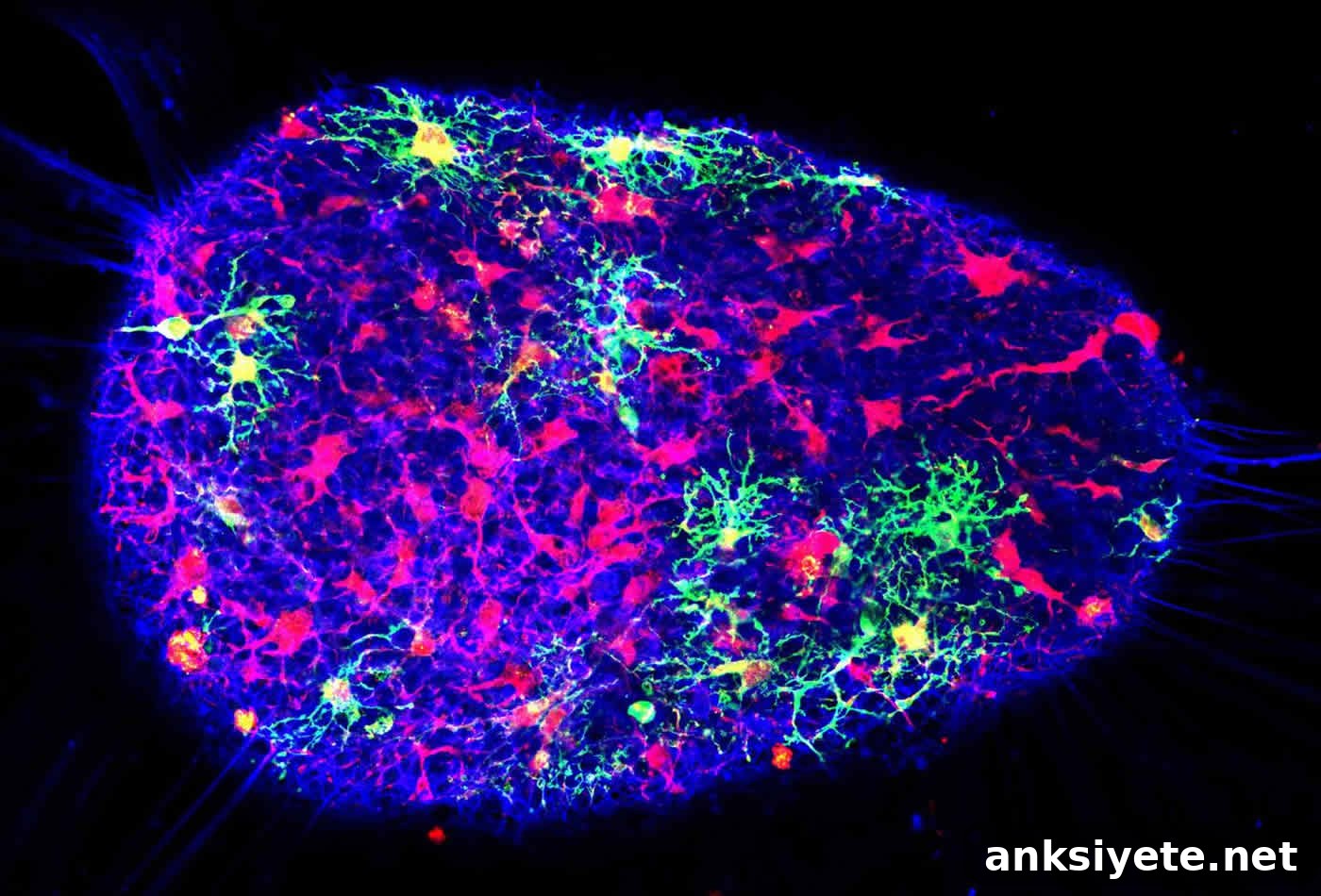
Researchers led by neuroscientist Robert Krencik, Ph.D., at Houston Methodist Research Institute report a new system that substantially shortens the time needed to grow functional human neural tissue in vitro. Their work, published in Stem Cell Reports, describes a reproducible three-dimensional coculture system that brings human neurons and astrocytes together in predefined ratios to form bioengineered neural microtissues. These structures mature more quickly than conventional organoid cultures, enabling faster disease modeling and drug screening.
“Traditional two-dimensional cultures placed on flat dishes disrupt many natural cell interactions,” Krencik explained. “Cells in those conditions often appear simplified and immature compared with their counterparts in the human brain. By coculturing pre-differentiated cell populations in three dimensions in a controlled, systematic way, the cells develop more natural morphologies and complex interactions. That lets us study human neural cells in a setting that better reflects their native environment.”
Conventional 3-D organoid methods often require months or longer to reach a level of maturation suitable for functional studies. The new approach uses separate, accelerated differentiation of neurons and astrocytes before combining them into compact, dense spherical cultures. When assembled, these cocultures form mature neuron-astrocyte relationships within weeks rather than months, dramatically reducing experimental timelines while preserving biologically relevant structure and connectivity.
Krencik’s team focused on astrocytes—star-shaped glial cells that support and modulate neuronal connectivity—because astrocytes play a central role in synapse formation, synaptic strength, and overall neural circuit health. Astrocyte dysfunction is implicated in many neurological disorders and contributes to the maintenance and repair of the nervous system. In these engineered microtissues, the presence of defined astrocyte populations accelerated neuronal connectivity and led to more complex cellular morphologies than seen in most in vitro systems.
The researchers introduced the term “asteroids” to describe their bioengineered 3-D spheres, distinguishing them from conventional organoids. Asteroids contain defined numbers and types of astrocytes and neurons, whereas typical organoids can include mixed and variable populations. This controlled composition makes asteroids particularly useful for targeted studies of cell-type-specific interactions, disease modeling, and therapeutic screening.
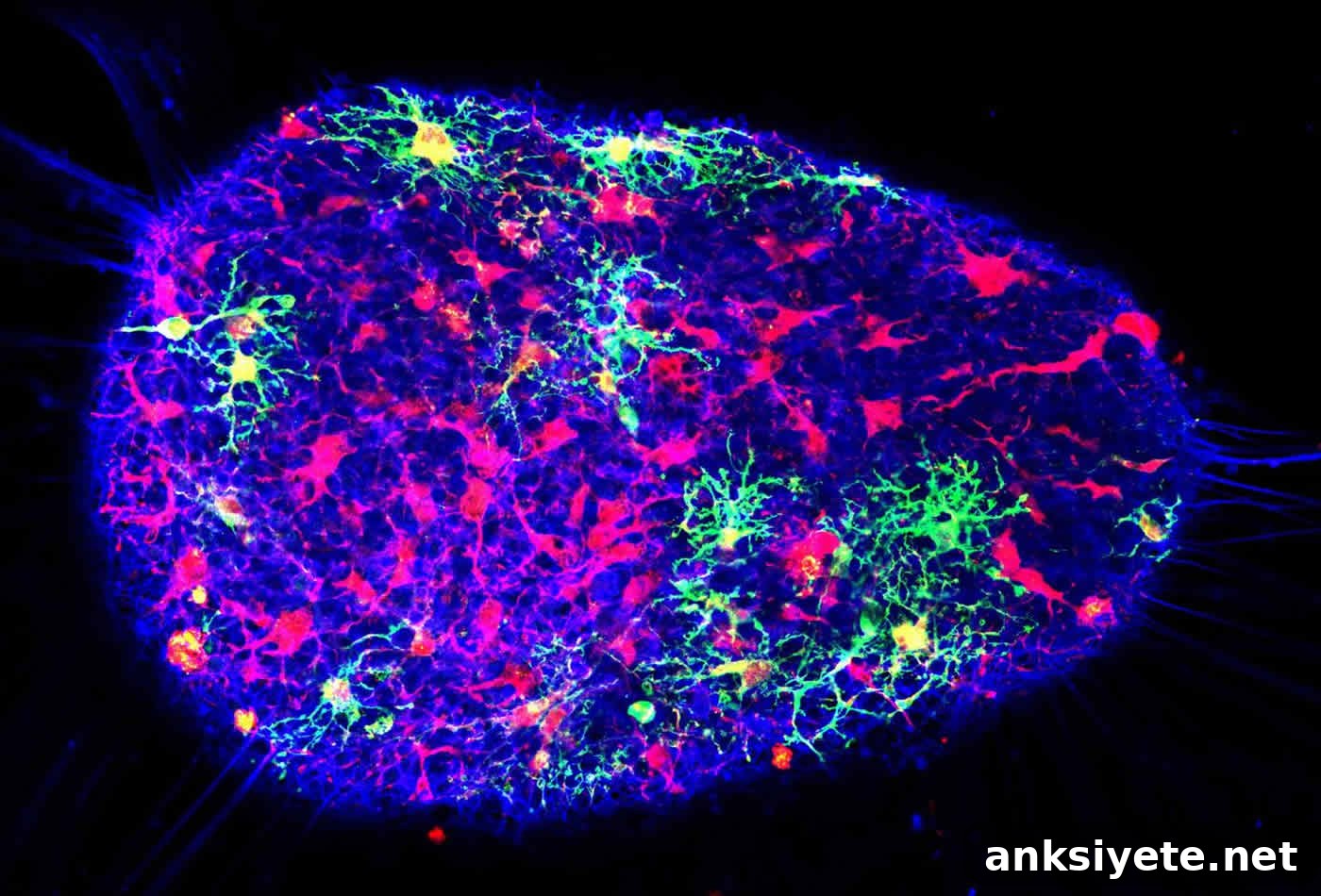
“Our system generates structurally mature human astrocytes and promotes tight astrocyte–synapse associations that have been difficult to reproduce in vitro,” Krencik said. “Human astrocytes have unique morphological and functional characteristics that likely contribute to human-specific aspects of cognition and disease vulnerability, including conditions such as Alzheimer’s disease and autism spectrum disorders. Modeling those features accurately in the lab is critical for understanding disease mechanisms and testing interventions.”
Krencik and colleagues are using asteroids to build functional neural circuits that can be experimentally manipulated, enabling studies of disease processes and the evaluation of candidate therapeutics. By generating induced pluripotent stem cells (iPS cells) from patients, the team can create patient-specific asteroids to examine disease phenotypes and screen drugs in a personalized context. Their long-term goal is to translate these advances into platforms that support preclinical testing and, within several years, help inform clinical trials focused on improving or regenerating impaired nervous system function.
Collaborators on the study include scientists from Houston Methodist Research Institute and the University of California, San Francisco, and a contributor from the NIH National Institute of Neurological Disorders and Stroke. The multidisciplinary team combined expertise in stem cell biology, neural development, and disease modeling to build and validate the asteroid coculture system.
Funding: The research was supported by awards and grants including a Paul G. Allen Family Foundation Award, a SFARI Award, NIH funding from the National Institute of Mental Health and National Eye Institute, a gift from That Man May See foundation, and a Research to Prevent Blindness Unrestricted Grant.
Publication: The work appears as “Systematic Three-Dimensional Coculture Rapidly Recapitulates Interactions between Human Neurons and Astrocytes” in Stem Cell Reports (published online November 30, 2017; doi:10.1016/j.stemcr.2017.10.026).
• The authors present a novel three-dimensional coculture system—termed “asteroids”—that reliably reproducible astrocyte–neuron interactions.
• The method drives complex, human-specific astrocyte morphology in vitro.
• Asteroids promote rapid and close association of astrocytes with synapses, enabling earlier functional studies and higher-throughput applications such as drug screening and disease modeling.
Abstract summary: The study describes efficient cocultures of pre-differentiated human pluripotent stem cell–derived astrocytes combined with neurons generated either from neural stem cells or by direct induction. These controlled, high-density 3-D spheres rapidly produce mature astrocyte structure and synapse-rich neural tissue, providing a scalable, cell-type–specific platform for studying human neural circuit function, modeling disease mechanisms, and testing therapeutics.