Summary: Autopsies of 44 people who died with COVID-19 reveal that SARS-CoV-2 can spread widely throughout the body — including the brain — and viral material can persist for many months after symptom onset.
Source: University of Minnesota
An exhaustive analysis of tissue collected at autopsy from 44 individuals who died with COVID-19 shows that SARS-CoV-2, the virus that causes COVID-19, can disseminate beyond the respiratory tract into multiple organs and the central nervous system, with detectable viral RNA in some cases nearly eight months after initial symptoms.
The research, published in the journal Nature, draws on autopsies performed between April 2020 and March 2021. The National Institutes of Health (NIH) team performed comprehensive tissue sampling across organ systems and conducted particularly extensive examination of the nervous system, including detailed brain sampling in 11 of the cases.
RNA and viable virus in various organs
All study subjects died while infected with COVID-19 and none had been vaccinated. Viral RNA was detected in blood plasma from 38 patients, three had negative plasma tests, and plasma samples were unavailable for three others. Thirty percent of the patients were female, the median age was 62.5 years, and 61.4% had three or more preexisting health conditions. The median time from symptom onset to death was 18.5 days.
As anticipated, the highest viral burden and tissue damage appeared in the airways and lung tissue. However, viral RNA was also identified in 84 distinct anatomical sites and body fluids. In one notable case, SARS-CoV-2 RNA was detectable 230 days after symptoms began.
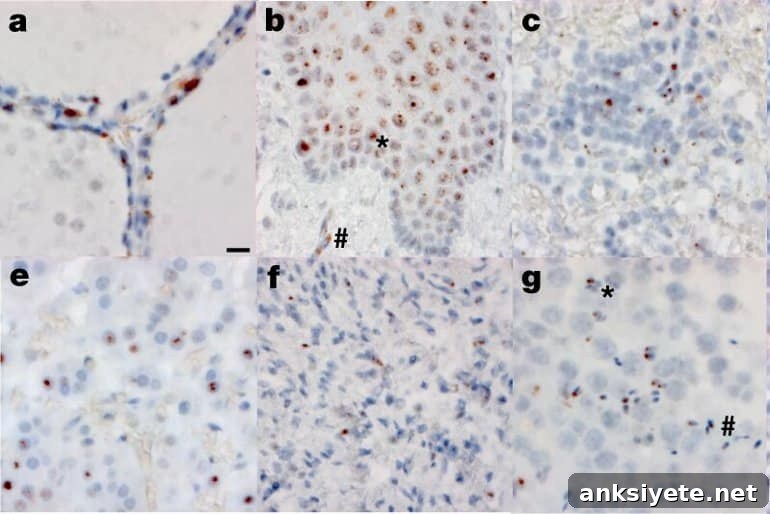
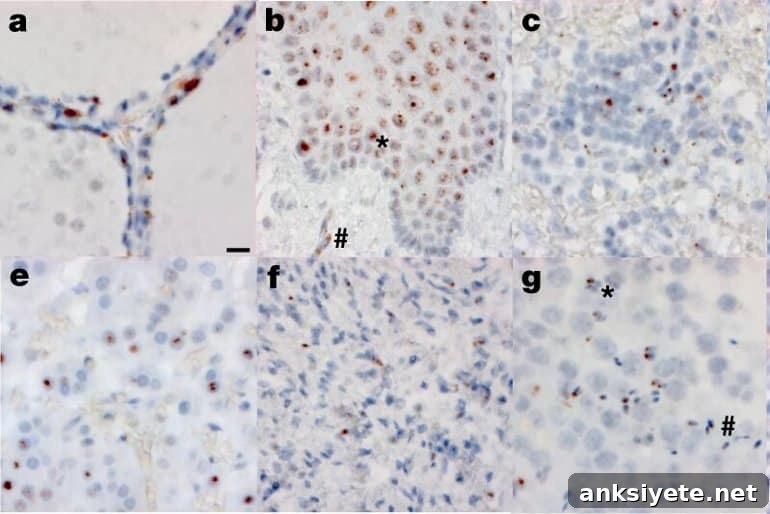
Researchers detected both viral RNA and protein in brain regions including the hypothalamus and cerebellum in one patient, and in the spinal cord and basal ganglia of two others. Despite the presence of viral material, investigators observed minimal overt damage to brain tissue compared with the substantial viral signal.
Beyond respiratory tissue, the team successfully isolated replication-competent SARS-CoV-2 from a variety of organs, including the brain, heart, lymph nodes, gastrointestinal tract, adrenal gland, and eye. Viable virus was recovered from 25 of 55 specimens tested (45%). These findings demonstrate active viral replication at multiple non-respiratory sites, especially during the first two weeks after symptoms began.
The authors note that their careful and standardized tissue collection methods — including short intervals between death and autopsy, dissecting the brain prior to fixation, preserving samples in RNA-stabilizing solution, and flash-freezing fresh tissue — improved sensitivity for detecting and quantifying viral RNA by PCR and in situ hybridization. Those same methods enabled successful culture of live virus from non-respiratory organs, including brain tissue, and represent important methodological differences from some earlier studies.
Possible implications for long COVID
Senior author Daniel Chertow, MD, MPH, summarized that these results challenge the earlier view that SARS-CoV-2 is primarily a respiratory virus. The discovery that the virus can be widely distributed throughout the body has prompted further investigation into whether persistent viral reservoirs contribute to post-acute sequelae of SARS-CoV-2 infection, commonly called long COVID.
Coauthor Stephen Hewitt, MD, PhD, said that an extension of this autopsy work is part of a larger Paxlovid RECOVER trial expected to begin enrollment. That effort will include autopsies from vaccinated individuals and people infected with later viral variants — groups that were not represented in the current study — and aims to replicate findings on viral persistence and explore links with long COVID symptoms. The RECOVER autopsy collection has grown to roughly 85 cases less than a year into the effort, with plans to expand sampling and analysis.
About this COVID-19 and neurology research news
Author: Jim Wappes, University of Minnesota
Source: University of Minnesota
Contact: Jim Wappes – University of Minnesota
Image: Image credited to the researchers
Original Research: Closed access. “SARS-CoV-2 infection and persistence in the human body and brain at autopsy” by Sydney R. Stein et al., published in Nature.
Abstract
SARS-CoV-2 infection and persistence in the human body and brain at autopsy
COVID-19 can cause dysfunction across multiple organs during acute illness, and some people experience prolonged symptoms known as post-acute sequelae of SARS-CoV-2 infection. However, the extent of infection outside the respiratory tract and the timeline for viral clearance — especially in the brain — have remained incompletely characterized.
This study conducted full autopsies on 44 patients who died with COVID-19, with particularly detailed central nervous system sampling in 11 cases. The investigators mapped and quantified SARS-CoV-2 distribution, evidence of replication, and cell-type specificity across the human body from acute infection to more than seven months after symptom onset.
Findings indicate that SARS-CoV-2 can be widely distributed in the body, particularly in patients who died with severe disease, and that viral replication occurs in multiple respiratory and non-respiratory tissues — including the brain — early in infection. Persistent viral RNA was detected in several anatomical sites, including throughout the brain in one case up to 230 days after symptom onset.
Despite widespread viral RNA, the authors observed little evidence of inflammation or direct viral injury outside the respiratory tract. Overall, the data suggest that in some patients SARS-CoV-2 can establish systemic infection and persist for months, a finding that may have implications for understanding long COVID.