
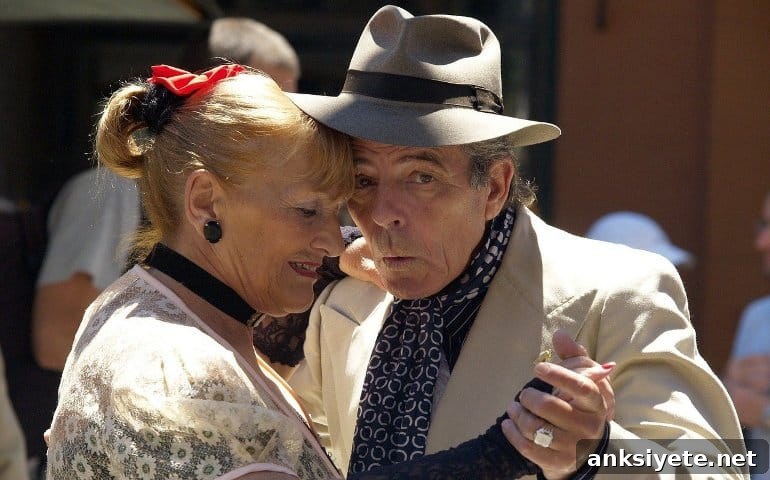
Summary: Weekly musical dance classes can improve daily functioning and motor abilities in people with mild-to-moderate Parkinson’s disease.
Source: York University
A new study published in Brain Sciences finds that people with mild-to-moderate Parkinson’s disease (PD) who attended one 75-minute dance class per week experienced slower progression of motor symptoms and better day-to-day functioning over three years compared with people who did not participate in dance training.
Joseph DeSouza, the senior author and principal investigator and associate professor in the Department of Psychology at York University, together with PhD candidate Karolina Bearss, tracked people with Parkinson’s (PwPD) who took part in weekly dance classes set to live music. The researchers report that the dance-trained group showed smaller increases in motor impairment and meaningful improvements in areas such as speech, tremor, balance and rigidity compared with a matched non-dancing reference group.
Beyond motor symptoms, the dance group also showed better outcomes in daily living measures that cover mood and cognition, including indicators related to depression, anxiety and hallucinations. Over the three-year observation period, measures of non-motor aspects of daily living, motor experiences of daily living, motor examination scores and motor complications remained stable for the dance-trained participants while the non-dancing reference group followed the expected pattern of decline.
This study is the first longitudinal investigation to follow people with PD for three years while they engaged in regular multisensory dance training, offering new insights into how motor and non-motor symptoms may be influenced by ongoing participation in music-based dance classes.
“The studio environment, combined with live music and guided instruction, appears to confer benefits beyond traditional exercise,” said DeSouza. “Dance engages brain regions involved in movement, perception and emotion. For people with Parkinson’s, even mild motor changes can reduce confidence and participation in social life. As symptoms worsen, isolation and depression can follow. Our findings suggest that structured dance with music can slow this trajectory and help maintain daily functioning.”
The research aimed to develop a sustainable neurorehabilitation approach that addresses multiple challenges faced by PwPD. The dance program intentionally used a multisensory design—stimulating vision, hearing, touch, proprioception, kinesthesia, vestibular balance, social interaction and expressive movement—so that each class combined physical, cognitive and social stimulation that may target a range of PD-related deficits.
Participants rehearsed choreography during the first year and performed it later; the choreography was adapted to participants’ abilities and disease stage. Researchers collected video recordings, administered questionnaires, and analyzed standardized clinical ratings over the study period to assess change.
Study participants included 16 people with mild-to-moderate PD (11 males, five females), average age 69, assessed between October 2014 and November 2017. Each attended weekly 1.25-hour classes held at Canada’s National Ballet School and Trinity St. Paul’s church locations. Classes began with a seated warm-up to live music, continued with barre work, and concluded with movement across the floor. Exercises combined aerobic and anaerobic elements while emphasizing coordination, balance and expressive movement.
The dance group was compared to 16 matched PwPD who did not participate in dance. Those reference participants were drawn from a larger longitudinal cohort. Over the three-year period, the dance-trained participants showed a near-zero slope of motor decline on the Movement Disorder Society Unified Parkinson’s Disease Rating Scale (MDS-UPDRS), while the reference group displayed the typical motor decline expected in early disease progression.
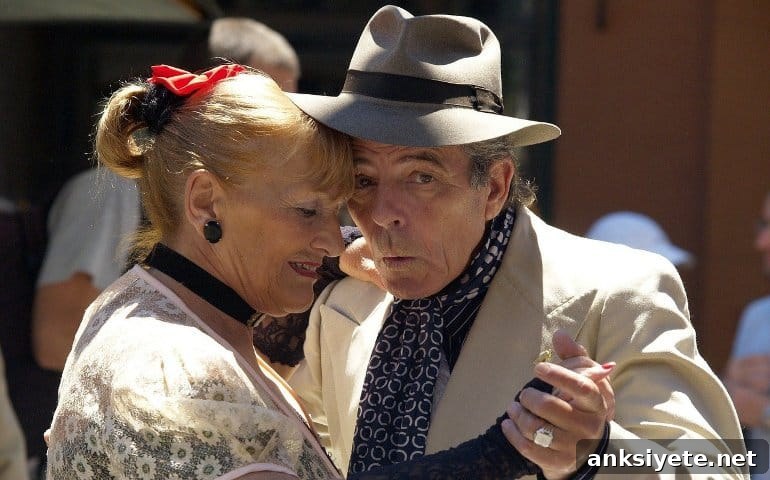
“Dance is inherently complex and multisensory,” said Bearss. “It combines auditory, tactile, visual and kinesthetic input with social interaction and expressive goals. Regular exercise is valuable, but it does not necessarily provide the same combined sensory, cognitive and social stimulation that dance offers.”
Looking ahead, the research team plans to measure brain activity immediately before and after dance classes to identify short-term neurological changes associated with participation. The investigators emphasize that while pharmacological treatments remain central to PD care, complementary therapies that stimulate the brain through multimodal engagement—like music-based dance training—may broaden rehabilitation options and improve quality of life for people living with Parkinson’s disease.
“We hope these results encourage clinicians and caregivers to consider incorporating multisensory activities into long-term care plans,” DeSouza said. “Further research will clarify the neural mechanisms behind these behavioral benefits.”
About this Parkinson’s disease research news
Source: York University
Contact: Anjum Nayyar – York University
Image: The image is in the public domain
Original Research: Open access. “Parkinson’s Disease Motor Symptom Progression Slowed with Multisensory Dance Learning over 3-Years: A Preliminary Longitudinal Investigation” by Joseph DeSouza and Karolina Bearss. Published in Brain Sciences.
Abstract
Parkinson’s Disease Motor Symptom Progression Slowed with Multisensory Dance Learning over 3-Years: A Preliminary Longitudinal Investigation
Parkinson’s disease (PD) is a progressive neurodegenerative disorder that commonly shows rapid motor decline within the first five years after diagnosis. Previous estimates report annual declines on the Movement Disorder Society Unified Parkinson’s Disease Rating Scale (MDS-UPDRS) in the range of 5.2 to 8.9 points. This study evaluated motor and non-motor symptom progression in people with PD who attended weekly dance classes over three years. Longitudinal MDS-UPDRS data from 32 participants showed that the PD dancers had an essentially zero daily motor decline (slope = 0.000146), indicating stability over time, while the matched PD reference group exhibited the expected motor deterioration (p < 0.01). Non-motor aspects of daily living, motor experiences of daily living, and motor complications likewise showed no significant decline among dance participants. A significant interaction between group and time indicated that weekly dance training was associated with lower motor impairment (M = 18.75) compared with the reference group (M = 24.61) over the study period (p < 0.05). These findings suggest that regular multisensory dance training can effectively slow both motor and non-motor symptom progression in people with mild-to-moderate Parkinson’s disease over a three-year timeframe.