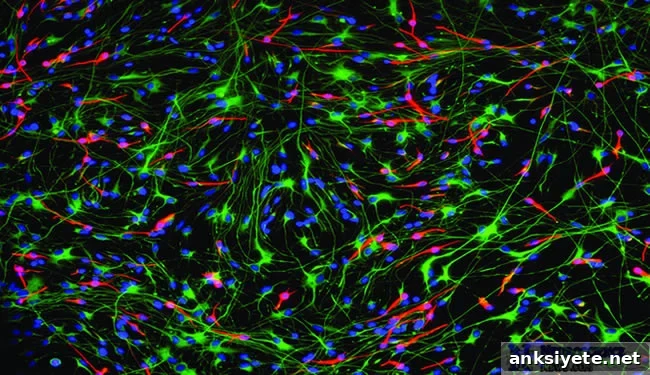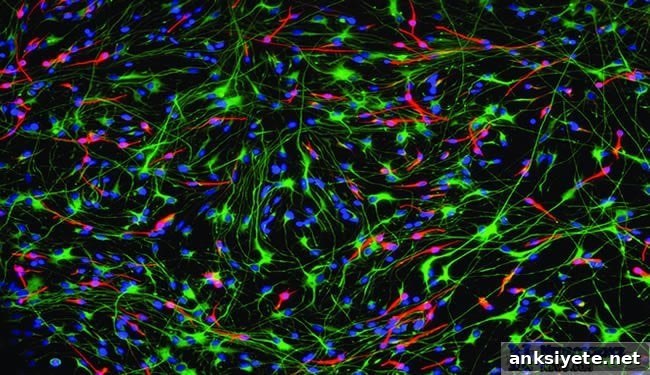
Zif proteins determine whether a neural stem cell in the brain continues to self-renew or differentiates into a neuron. Related proteins exist in humans and could become targets for future treatments for brain cancer and other neurological disorders. The following article summarizes recent findings on Zif and outlines possible implications for research and therapy.
How do neural stem cells decide what to be, and when?
Scientists at Duke-NUS Graduate Medical School in Singapore have identified a previously unknown feedback mechanism that helps maintain the balance between neural stem cell renewal and differentiation. Their work focuses on Zif, a protein that acts as a critical regulator of this balance.
In controlled preclinical studies using the fruit fly Drosophila, researchers showed that Zif prevents excessive growth of neural stem cells by controlling levels of a key proliferation factor called atypical protein kinase C (aPKC). When Zif is present and active, it acts as a transcription factor that limits the production of aPKC, helping prevent unchecked stem cell proliferation. Conversely, when Zif becomes inactivated, aPKC levels can rise and drive overpopulation of stem cells.
The regulatory circuit is tightly interlinked. Zif suppresses aPKC production, yet aPKC can modify Zif by adding a phosphate group (phosphorylation). Phosphorylated Zif is excluded from the cell nucleus and rendered inactive, which reduces Zif’s ability to suppress aPKC and allows stem cells to expand. This reciprocal relationship creates a feedback loop that controls whether a neural stem cell will self-renew or begin differentiating into a neuron.
These findings in Drosophila suggest that loss or reduced expression of Zif correlates with neural stem cell overpopulation in the fly brain. Because there is a Zif-related protein in humans, the authors propose that a similar regulatory mechanism could operate in mammals and that studying the human counterpart may reveal new therapeutic opportunities.
“There is a Zif-related protein in humans, and its function remains to be analyzed,” said senior and corresponding author Hongyan Wang, Ph.D. “Our finding has paved the way for future study of this human protein in the context of diseases, including glioblastomas, the most severe form of brain tumors.” Wang added that manipulating Zif function could potentially become part of therapies aimed at controlling stem cell behavior in various disease settings.
The study appeared in the Nov. 16 issue of Developmental Cell. While results to date rely on the Drosophila model, the authors emphasize that the fly remains a powerful system for uncovering fundamental regulators of neural stem cell self-renewal and differentiation. Insights gained in Drosophila frequently point the way to conserved mechanisms that are relevant to mammalian biology.
Looking ahead, the research team plans to investigate how neural stem cell self-renewal is regulated in mammals and is seeking collaborators to examine the human Zif-related protein. Parallel work in flies will continue to map the network of genes and proteins that interact with Zif and aPKC to control stem cell fate decisions.
Author and funding notes:
Co-lead authors on the paper include Kai Chen Chang and Gisela Garcia Alvarez (Neuroscience and Behavioral Disorder Program, Duke-NUS), Gregory Somers (Department of Genetics, La Trobe Institute for Molecular Science, La Trobe University, Australia), and Rita Sousa-Nunes (National Institute for Medical Research, Mill Hill, London). Additional contributors are Fabrizio Rossi (Cell Division Group, IRB-Barcelona, PCB), Swee Beng Soon (Duke-NUS Neuroscience and Behavioral Disorder Program), Cayetano Gonzalez (Cell Division Group, IRB-Barcelona and Institució Catalana de Recerca i Estudis Avançats, Barcelona), William Chia, and Kai Chen Chang (Temasek Life Science Laboratory, Singapore).
This research received support from the Duke-NUS Neuroscience & Behavioral Disorders Signature Research Program funded by A*STAR and the Singapore Ministries of Health and Education, the Singapore National Research Foundation, and Temasek Life Sciences funding.
Contact: Mary Jane Gore
Source: Duke University Medical Center