
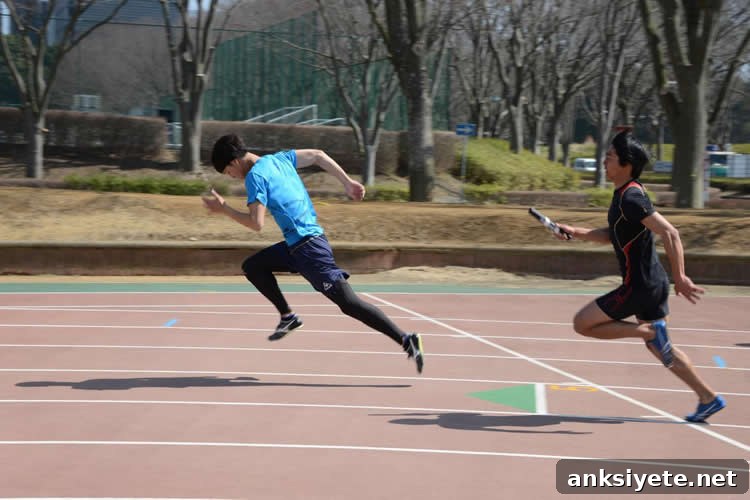
Running is one of the world’s most popular sports, yet many recreational runners never receive structured training on technique. Researchers at the University of Tsukuba, together with Osaka University and Mizuno Corporation, have developed a data-driven system that quantifies and improves running skills by analyzing motion patterns with big data and artificial intelligence.
The interdisciplinary team—led by Associate Professor Shinichi Yamagiwa (University of Tsukuba), Associate Professor Yoshinobu Kawahara (Osaka University), and collaborators at Mizuno—combined sensor and video recordings of runners to build a large motion database. Using AI techniques, they analyzed running motion data from approximately 2,000 runners provided by Mizuno and converted complex movement patterns into objective numerical “skill values.” These values allow coaches, athletes, and health professionals to compare and communicate running technique in a clear, measurable way.
The analysis revealed consistent differences in joint motion between elite marathoners and beginners, particularly in elbow, knee, and ankle movements. Rather than relying on subjective coaching cues, the researchers translated these motion differences into an approach they call “skill grouping,” which organizes movement features into understandable scores. By presenting the impact of specific motions as quantified scores, skill grouping helps runners and trainers focus on the most effective technique changes for performance and conditioning.
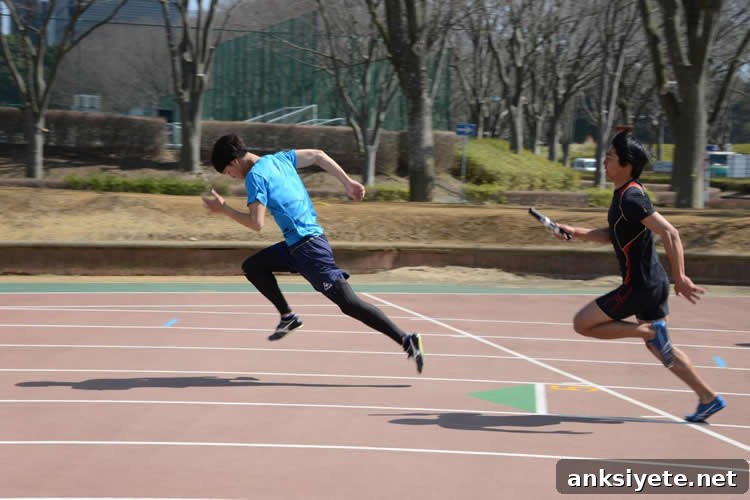
Because skill grouping converts motion into standardized numeric scores, it opens new possibilities for time-sequential health monitoring, personalized conditioning programs, and motor function management during rehabilitation. Objective indices of motion make it feasible to track progress, compare interventions, and standardize feedback across devices and coaches. That standardization addresses a common barrier in developing consumer and clinical tools that rely on motion data.
One immediate application is integration with mobile and wearable platforms. Quantified movement scores and AI models can be embedded in smartphone applications or wearable devices to deliver tailored guidance, monitor training load, and support long-term rehabilitation plans. By making motion assessment easier to generalize, the technology could accelerate the development of practical Internet of Things (IoT) health tools for athletes and patients alike.
Beyond sport and healthcare, skill grouping also has potential in preserving and transmitting specialized human skills. The researchers suggest that the approach could be adapted to document and teach traditional performance arts, craft techniques, and design-related motions—areas where subtle movement patterns are important and often transmitted only through personal apprenticeship. A standardized, data-driven representation of motion could help create AI-assisted systems that support the preservation and teaching of such skills.
The work demonstrates how large-scale motion databases and machine learning can convert qualitative technique into objective, actionable information. By identifying which joint motions correspond with higher performance levels and translating those into clear scores, the system supports evidence-based coaching and rehabilitation strategies while maintaining natural human movement goals.
Source: Masataka Watanabe – University of Tsukuba
Image Credit: The image is credited to the researchers/University of Tsukuba
Original Research: The research was presented at the 2015 IEEE International Conference on Big Data.