
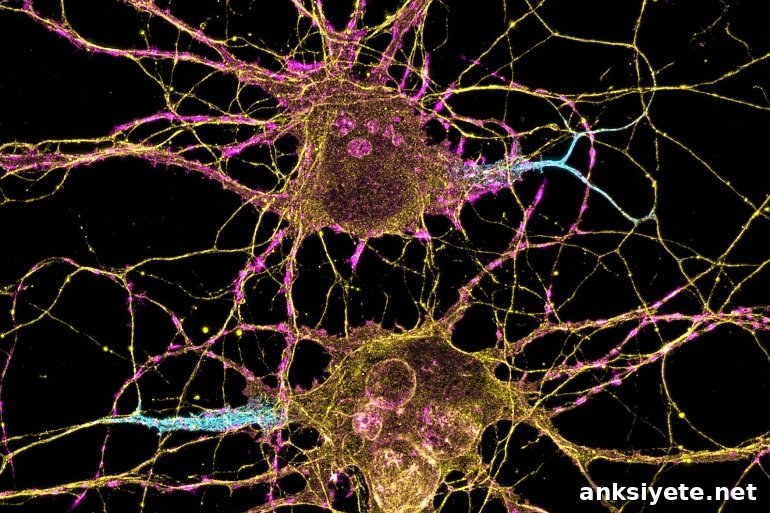
Summary: Loss of the Arid1b gene disrupts inhibitory neurons in the brain, weakening inhibitory signaling. Reduced inhibition has been linked to a range of behaviors associated with autism spectrum disorder.
Source: Ohio State University
Understanding the cellular and circuit-level causes of autism spectrum disorder depends on identifying which neuronal types are affected and when those disruptions emerge during brain development.
New findings from mouse models of a genetic risk factor for autism strengthen the view that losing a copy of the Arid1b gene impairs a subset of neurons whose primary role is to inhibit signaling. Though inhibitory interneurons are fewer in number and make shorter-range connections than excitatory neurons, they exert powerful control over information flow across brain circuits.
Researchers at Ohio State University report that deleting one copy of Arid1b in specific neuron populations reduced the number of inhibitory neurons and weakened synaptic signaling from those inhibitory cells onto the excitatory neurons they help regulate. Prior studies have associated reduced inhibition in mouse models with multiple autism-relevant behaviors, including altered social interaction, repetitive behaviors, learning challenges, and anxiety-like responses.
In related experiments, the team observed circuit changes linked to inhibitory neurons in these genetic mouse models very soon after birth. However, those early disruptions were modest and might be buffered by other genes that support normal brain development, suggesting timing and degree of dysfunction are important determinants of outcome.
Studying how autism risk genes affect brain circuitry can guide the development of targeted therapies and also illuminate how healthy circuits function, said Jason Wester, assistant professor of neuroscience and the study’s senior author. “Circuits are the level of analysis crucial for understanding brain function,” he said, noting that circuit-level insights are essential both for explaining neurodevelopmental disorders and for revealing basic principles of normal neural computation.
“We are asking what neurodevelopmental disorders can teach us about normal circuit function—and how that knowledge can inform strategies to repair disrupted circuits,” Wester added.
These results were presented at Neuroscience 2022, the annual meeting of the Society for Neuroscience.
Autism spectrum disorder is genetically heterogeneous, with many different genes linked to increased risk. To better understand how risk genes relate to circuit formation, Wester’s lab previously mined RNA sequencing datasets to compile an organized list of synapse-related genes across the neocortex. That analysis aimed to identify whether a single gene might be a promising target for therapies that act across many brain regions.
“Our findings suggest it’s unlikely that a single gene change would be broadly corrective across the whole brain,” Wester said. “However, we did find many autism-associated genes enriched in inhibitory neurons, indicating these cells may be particularly important therapeutic targets.”
In the current study, the team used a conditional approach: they removed one copy of Arid1b from defined cell populations in the mouse brain rather than deleting the gene globally. This allowed them to pinpoint how loss of the gene in specific cell types contributes to circuit abnormalities and to track synaptic changes during development compared with control animals.
When the researchers examined brain slices to assess circuit development, deleting Arid1b from excitatory neurons produced only subtle signaling differences, suggesting loss in excitatory cells alone is unlikely to drive autism-like behaviors in this model. In contrast, deleting Arid1b from inhibitory neurons produced measurable changes in synaptic physiology and connectivity that varied by cortical location.
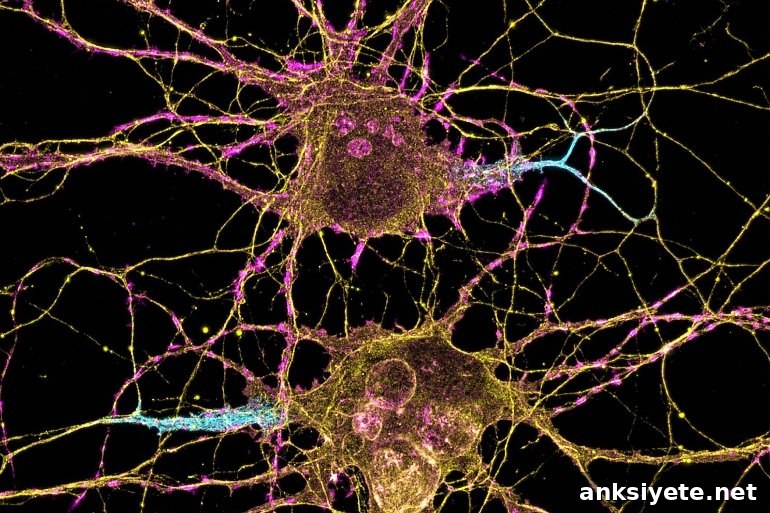
The team also recorded activity in the hippocampus of one-week-old mice lacking a copy of Arid1b in brain cells to determine whether genetic alterations affected circuitry at this early postnatal stage. They observed slight delays in synapse maturation and a lower frequency of inhibitory synaptic transmission, yet overall hippocampal structure and development appeared largely intact despite these changes.
Although these early effects are modest, they could inform the timing of future interventions aimed at restoring circuit balance, Wester said. Precision is critical: broad attempts to increase inhibition across the brain might be ineffective or harmful if applied in the wrong cell types or regions. “In some cases, circuits between excitatory and inhibitory neurons appear normal while adjacent, related subtypes are disrupted—so increasing inhibition indiscriminately could create additional problems,” he explained.
By identifying the specific cell types and microcircuits affected by Arid1b loss, this work narrows potential targets for therapies and opens new avenues for interventions that aim to correct circuit-level dysfunction in autism.
About this autism research news
Author: Emily Caldwell
Source: Ohio State University
Contact: Emily Caldwell – Ohio State University
Image: The image is credited to the National Institutes of Health
Original Research: Open access. “Cell-type specific transcriptomic signatures of neocortical circuit organization and their relevance to autism” by Anthony J. Moussa et al., published in Frontiers in Neural Circuits.
Abstract
Cell-type specific transcriptomic signatures of neocortical circuit organization and their relevance to autism
A central challenge in neuroscience is determining how diverse neuronal cell types select synaptic partners to build functional circuits. Major classes of excitatory projection neurons and inhibitory interneurons are conserved across different regions of the neocortex, and evidence suggests these classes form canonical circuit motifs largely determined by cell identity, with regional cues also shaping synaptic choices.
Using single-cell RNA-sequencing data from the Allen Institute, the authors analyzed gene expression related to synaptic connectivity and physiology in two cortical regions: the anterior lateral motor cortex (ALM) and the primary visual cortex (VISp). Cells were categorized into clusters representing major excitatory and inhibitory classes common to both regions. The study performed differential gene expression analyses both between neuronal classes within a region and between the same cell class across regions.
Filtering for genes linked to circuit connectivity, the researchers developed a bioinformatic approach to identify gene sets uniquely enriched in each neuronal class in ALM, VISp, or in both regions. This produced an organized list of candidate genes that may control synaptic connectivity and physiology in a cell-type-specific manner and revealed mechanisms that are either conserved across cortical areas or region-dependent.
Finally, the study cross-referenced these findings with a curated autism gene module to identify genes from the analysis that are associated with autism spectrum disorder risk. The resulting molecular targets provide a foundation for future experiments aimed at understanding neocortical circuit organization and the circuit abnormalities that underlie autistic phenotypes.