
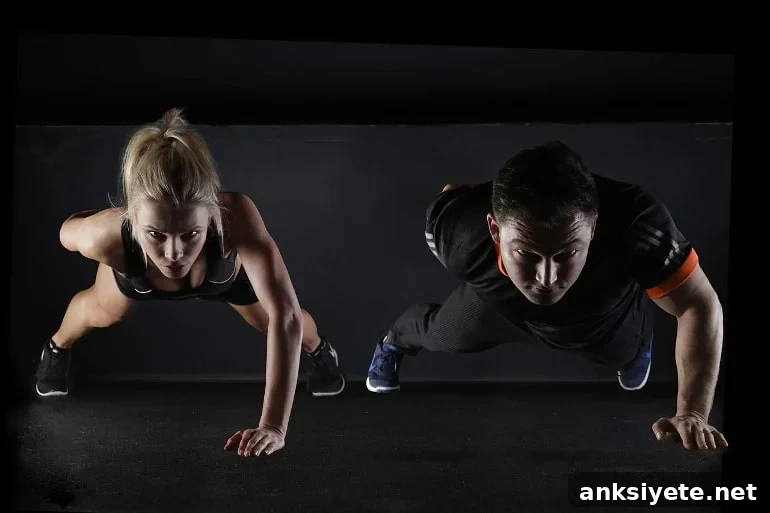
Summary: High-intensity interval training (HIIT) increases fat oxidation more than moderate aerobic exercise, according to a new systematic review and meta-analysis.
Source: Victoria University Melbourne
“If stubborn body fat won’t shift, consider adding high-intensity interval training (HIIT) to your routine,” advises Professor Zeljko Pedisic of Victoria University, Melbourne.
A systematic review and meta-analysis published in the British Journal of Sports Medicine has found that HIIT and sprint interval training (SIT) enhance the body’s ability to burn fat during exercise more than moderate-intensity continuous training (MICT) or no exercise.
Study design and participants
Researchers pooled data from 18 controlled intervention trials that compared HIIT or SIT with either moderate-intensity aerobic exercise or no exercise. In total, the analysis included 511 adult participants who were not competitive athletes. Most interventions lasted between two and 14 weeks, and in nearly all trials participants completed about three supervised HIIT sessions per week.
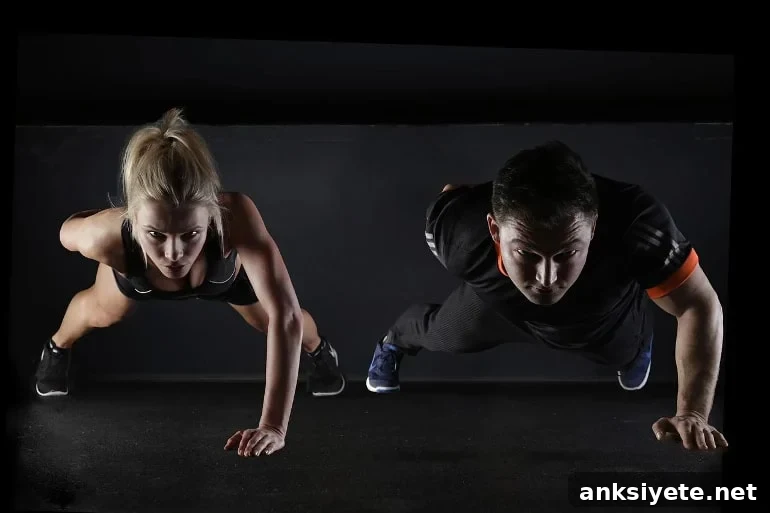
Key findings on fat burning and HIIT
The pooled analysis shows a significant overall increase in fat oxidation (FatOx) during exercise following interval training. The mean difference across studies was 0.08 grams of fat burned per minute (g/min) compared with no-exercise controls (95% CI: 0.04 to 0.12; p < 0.001). When compared directly with moderate-intensity continuous training, HIIT/SIT produced a smaller but still statistically significant advantage (mean difference = 0.03 g/min; 95% CI: 0.01 to 0.05; p = 0.005).
Importantly, improvements in fat metabolism were observable after as little as four weeks of HIIT and continued to increase with longer training programs. The meta-analysis found that each additional week of training produced further gains in fat oxidation (β = 0.01; 95% CI: 0.00 to 0.02; p = 0.003).
The effects were more pronounced in participants with overweight or obesity, suggesting that HIIT may offer particular benefits for improving metabolic health and supporting weight management in these groups.
Practical implications
Even a few HIIT sessions per week can boost the body’s ability to burn fat during subsequent physical activity, including brisk walking, swimming, or recreational sports. The authors estimate that after 12 weeks of HIIT, each minute of physical activity could burn an extra 0.13 grams of fat. For someone who remains active for about 150 minutes per week, that improvement could translate over time into a meaningful difference in accumulated fat loss.
While moderate-intensity aerobic exercise (such as jogging) also improves fat metabolism, achieving comparable benefits typically requires greater time investment and leads to smaller changes in fat oxidation than interval training.
Why this matters
Given the global prevalence of overweight and obesity, exercise strategies that efficiently improve fat metabolism have wide public health relevance. HIIT is also among the most popular fitness trends worldwide, in part because it can deliver measurable metabolic benefits with relatively small time commitments.
About this exercise research news
Author: Press Office, Victoria University Melbourne
Source: Victoria University Melbourne
Contact: Press Office – Victoria University Melbourne
Image: The image is in the public domain
Original Research: Closed access.
“Effects of high-intensity interval training (HIIT) and sprint interval training (SIT) on fat oxidation during exercise: a systematic review and meta-analysis” by Muhammed M Atakan et al., British Journal of Sports Medicine. DOI: 10.1136/bjsports-2021-105181
Abstract
Effects of high-intensity interval training (HIIT) and sprint interval training (SIT) on fat oxidation during exercise: a systematic review and meta-analysis
Objective
To examine how HIIT and SIT affect fat oxidation during exercise (FatOx) and to compare these effects with those of moderate-intensity continuous training (MICT).
Design
Systematic review and meta-analysis of controlled intervention trials.
Data sources
Searches covered multiple academic databases, including PubMed/MEDLINE, Scopus, Web of Science, SPORTDiscus and other repositories of theses and scholarly literature.
Eligibility criteria for selecting studies
Included studies used between-group designs, involved adult participants who were not trained athletes, and assessed the effects of HIIT or SIT on fat oxidation compared with either no exercise or MICT.
Results
Eighteen studies of fair-to-good quality met inclusion criteria: nine compared HIIT/SIT with no exercise and eleven compared HIIT/SIT with MICT. Interval training produced a significant pooled increase in FatOx (mean difference = 0.08 g/min; 95% CI: 0.04 to 0.12; p < 0.001). Effects were evident for interventions lasting four weeks or longer and increased with the duration of training. HIIT/SIT showed a modest advantage over MICT (MD = 0.03 g/min; 95% CI: 0.01 to 0.05; p = 0.005). Benefits were larger among people with overweight or obesity.
Conclusion
Engaging in HIIT or SIT improves fat oxidation during exercise, with greater gains expected from longer training programs and in individuals with overweight or obesity. Although some changes are modest in size, they may contribute meaningfully to broader strategies aimed at improving metabolic health and managing body weight.