
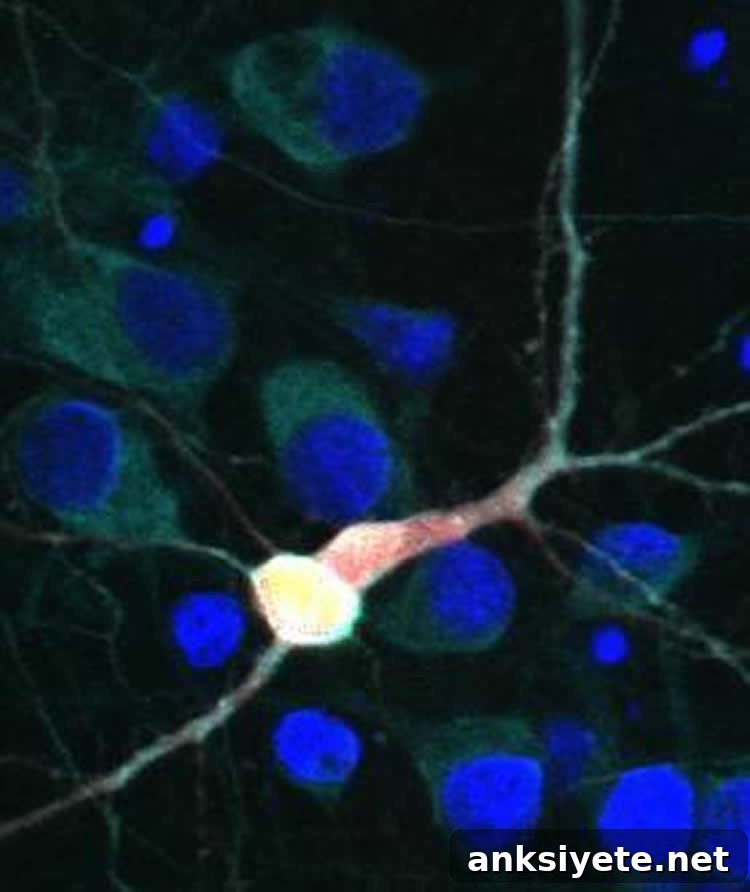
New insights into a critical cellular pathway point to promising therapeutic targets for ALS and frontotemporal dementia.
Researchers at the Gladstone Institutes and the University of Michigan have identified a cellular mechanism that can be leveraged to protect neurons in amyotrophic lateral sclerosis (ALS). By increasing levels of a single regulatory protein, the team was able to reduce cell death in laboratory models of both genetic and sporadic ALS. Because the same RNA-binding proteins are implicated in frontotemporal dementia (FTD), these findings may also have relevance for that disorder.
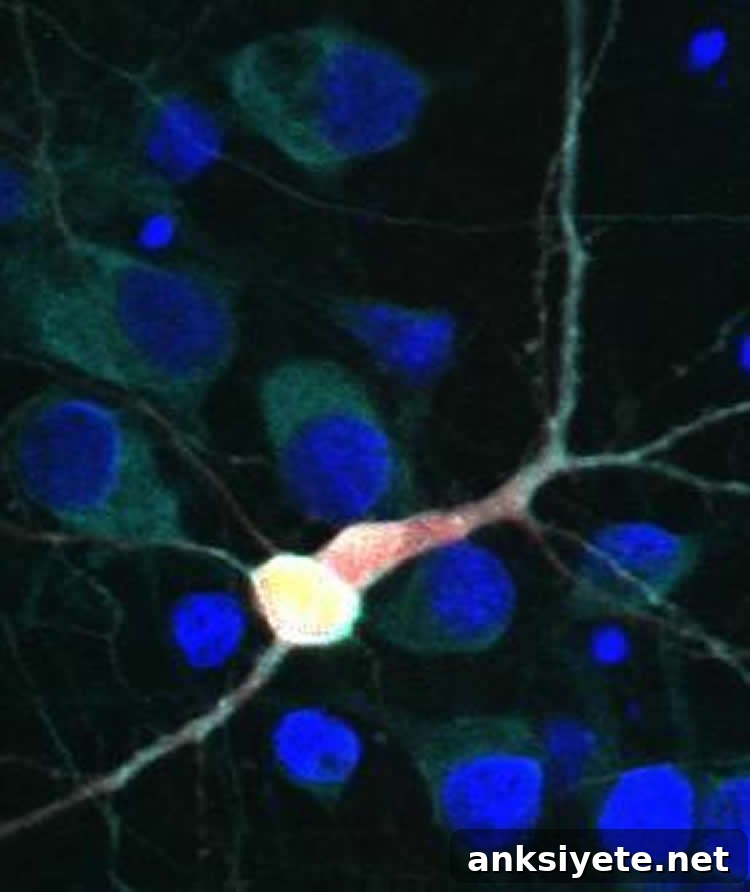
Amyotrophic lateral sclerosis, commonly known as ALS or Lou Gehrig’s disease, causes progressive loss of motor neurons in the brain and spinal cord, leading to paralysis and, ultimately, death. A hallmark of most ALS cases is abnormal accumulation of the RNA-binding protein TDP43, which becomes toxic when its levels or localization are disrupted. In a paper published in the Proceedings of the National Academy of Sciences (PNAS), the investigators describe how the protein hUPF1 helps control TDP43 and protects neurons from degeneration.
In their cellular models, the team tested whether raising hUPF1 levels could counteract TDP43 toxicity. They found that increasing hUPF1 enhanced neuronal survival by roughly 50–60%. Additional experiments showed that hUPF1 operates through nonsense-mediated decay (NMD), a conserved cellular surveillance pathway that degrades defective messenger RNA (mRNA). By modulating NMD, hUPF1 influences the abundance and balance of RNA-binding proteins, including TDP43, thereby reducing harmful effects on neurons.
“TDP43 is a ‘Goldilocks’ protein: too much, or too little, can cause cellular damage,” says Sami Barmada, MD, PhD, first author and assistant professor of neurology at the University of Michigan Medical School. Because TDP43 pathology occurs in the majority of ALS cases, therapeutic strategies that restore proper protein balance are urgently needed.
NMD normally scans mRNAs and removes those containing errors so they do not produce truncated or harmful proteins. The new findings reveal that NMD also contributes to the regulation of proteins that bind RNA and direct splicing, making it a broader regulator of RNA metabolism than previously appreciated. hUPF1 is a key NMD effector—an RNA helicase and master regulator—so changing hUPF1 activity produces downstream effects on TDP43 and other splicing regulators.
“Cells have developed a sophisticated monitoring system to maintain homeostasis and prevent accumulation of faulty proteins,” notes Steven Finkbeiner, MD, PhD, senior author and senior investigator at the Gladstone Institute of Neurological Disease. “This is the first clear demonstration linking the NMD surveillance pathway to neurodegenerative disease, and it suggests a new route for therapeutic intervention in ALS and related disorders such as frontotemporal dementia.”
The researchers also tested other components of NMD and found that boosting hUPF2, another essential NMD factor, likewise improved neuronal survival, while blocking NMD prevented hUPF1’s protective effect. Together, these results indicate that therapeutic modulation of the NMD pathway—either by targeting hUPF1 directly or other regulators within the pathway—could stabilize TDP43 and reduce toxicity in affected neurons.
Next steps will focus on developing drugs or biologics that safely modulate NMD activity in the nervous system, determining long-term efficacy in more complex disease models, and assessing potential benefits for both ALS and FTD patients. Because RNA metabolism and splicing are central to these conditions, approaches that restore balance to RNA-binding proteins may offer broadly applicable disease-modifying strategies.
Collaborators on the study included scientists from the University of California San Francisco, Wright State University, Brandeis University, and Weill Cornell Medical College. Funding sources for the work included the National Institutes of Neurological Disorders and Stroke, the Robert Packard Center for ALS Research, Target ALS, the Roddenberry Stem Cell Program, the Koret/Taube Center for Neurodegenerative Disease, and the Protein Folding Diseases Initiative at the University of Michigan.
Source: Dana Smith, Gladstone Institute. Image credit: Sami Barmada. Published in: Proceedings of the National Academy of Sciences (PNAS); DOI: 10.1073/pnas.1509744112.
Abstract
Amelioration of toxicity in neuronal models of amyotrophic lateral sclerosis by hUPF1
ALS and frontotemporal dementia share overlapping pathology: many patients show neuronal inclusions rich in TDP43, and mutations in TDP43 or related RNA-binding proteins such as FUS can cause familial forms of both diseases. TDP43 and FUS influence splicing across thousands of transcripts and, in some cases, trigger nonsense-mediated mRNA decay (NMD). Using a validated primary neuronal model, the authors investigated human up-frameshift protein 1 (hUPF1), an RNA helicase and central regulator of NMD. They demonstrate that hUPF1 strongly protects mammalian neurons from toxicity driven by TDP43 and FUS. Expression of hUPF2, another NMD factor, also improved survival, and inhibiting NMD blocked the protective effect of hUPF1, indicating that hUPF1 acts through NMD. These results underscore the importance of RNA metabolism in ALS and FTD and point to modulation of NMD as a promising therapeutic strategy.