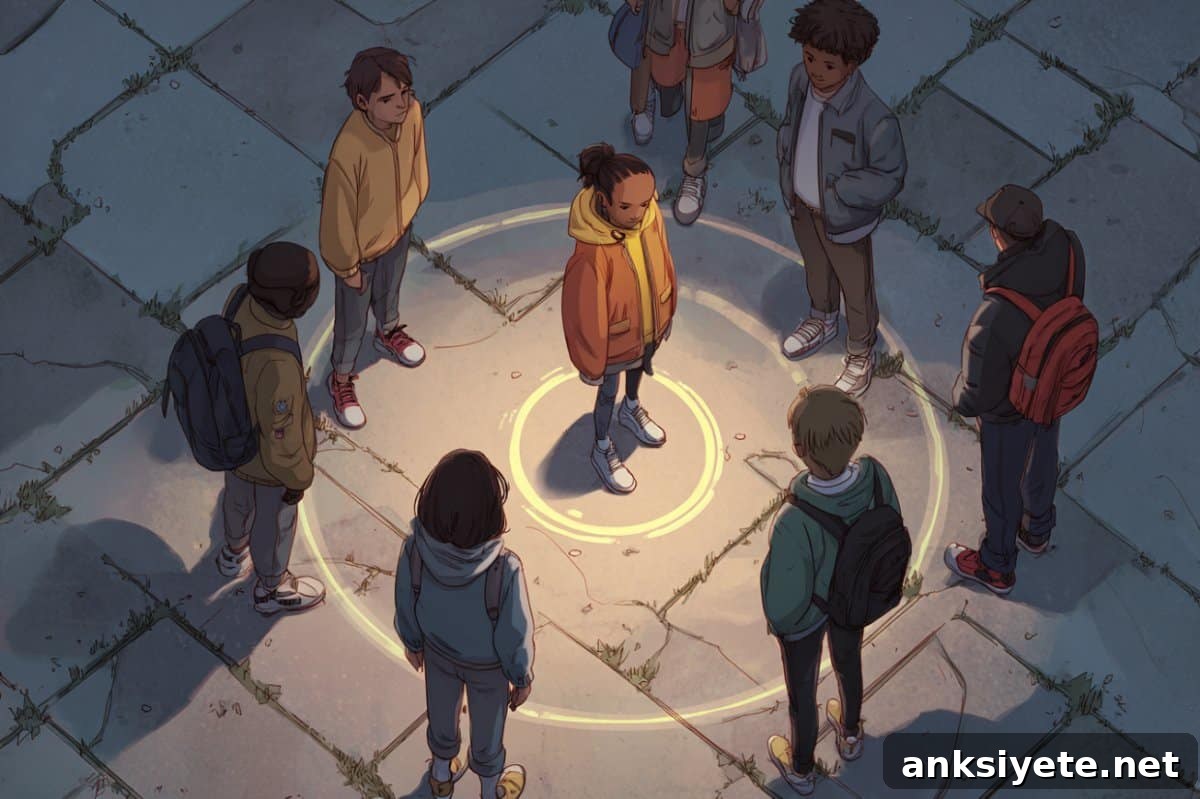
Summary: A recent study finds that childhood emotional trauma increases the likelihood of social avoidance and distress during adolescence, while psychological resilience can reduce these negative effects. Surveying 577 junior high students, researchers report that resilience served as a protective factor, helping many teens engage more confidently with peers following early emotional adversity.
The study also identifies a particular vulnerability: adolescents who experienced being “left-behind” because their parents worked away from home showed weaker benefits from resilience. This suggests targeted support is needed for vulnerable groups to promote healthy social development.
Key facts:
- Trauma impact: Childhood emotional trauma predicts increased social avoidance and social distress in adolescents.
- Resilience as a buffer: Psychological resilience mediates and reduces the negative social effects linked to early trauma.
- Left-behind vulnerability: The protective role of resilience is attenuated in adolescents with left-behind experiences.
Source: Neuroscience News
Adolescence is a crucial period for social growth, and for many young people, the ability to form friendships and communicate effectively shapes long-term mental and physical health. For those who endured emotional trauma in childhood, navigating social situations can be especially challenging, leading to withdrawal, anxiety, and avoidance. This study examines how psychological resilience can help buffer those effects and highlights groups that may need extra support.
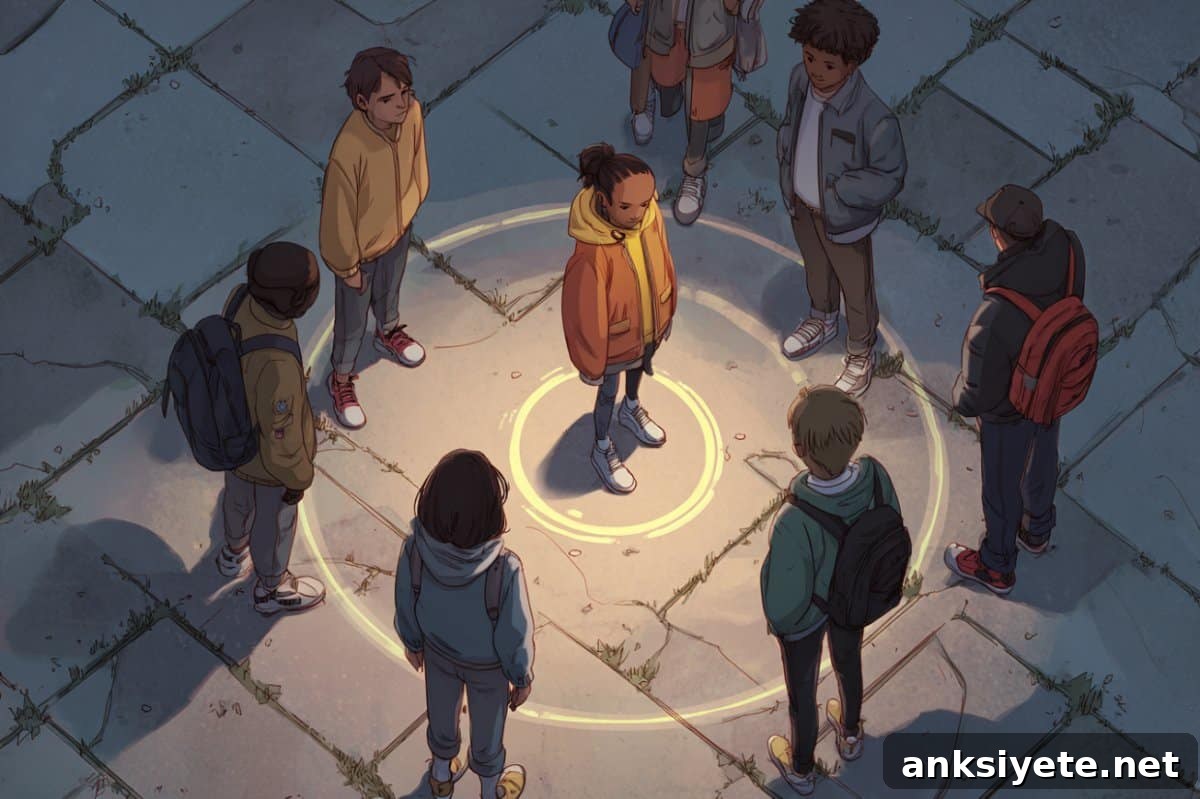
Researchers surveyed 577 junior high school students to investigate the relationship between early emotional trauma and later social functioning. The primary outcomes measured were social avoidance—tendencies to withdraw from peer interaction—and social distress—negative emotional responses during social engagement. Across the sample, students who reported higher levels of childhood emotional trauma were significantly more likely to exhibit avoidance and distress in social settings.
Crucially, the study identified psychological resilience as a mediating factor. Psychological resilience, defined here as an individual’s capacity to adapt to adversity and recover from setbacks, reduced the strength of the link between early trauma and later social problems. In practical terms, adolescents with greater resilience showed lower social avoidance and less distress even when they had experienced emotional trauma in childhood.
At the same time, the protective influence of resilience was not uniform across all groups. The analysis showed that adolescents with “left-behind” experiences—those whose parents were absent for extended periods due to work migration—derived less benefit from resilience. In these cases, resilience still offered some protection, but its mitigating effect on social distress and avoidance was notably weaker. This finding points to a potential interaction between family separation and the capacity of resilience to buffer social difficulties.
These results have clear implications for schools, clinicians, and caregivers. Promoting psychological resilience through evidence-based programs—such as skills-based social-emotional learning, trauma-informed counseling, and supportive mentoring—can reduce social withdrawal and distress among adolescents with emotional trauma histories. However, for left-behind youth, standard resilience-building approaches may be insufficient on their own; these students may need additional family-focused support, community connection initiatives, and targeted interventions that address the specific consequences of parental absence.
The study contributes to a nuanced understanding of how early emotional experiences shape adolescent social behavior and underscores the importance of tailoring interventions to life circumstances. It also highlights the need for further research to identify which resilience-enhancing strategies work best for different subgroups and how schools and communities can implement sustainable support systems.
Overall, while childhood emotional trauma can increase the risk of social avoidance and distress during adolescence, strengthening psychological resilience remains a promising pathway to improve social outcomes. Recognizing and addressing the particular needs of vulnerable populations—such as left-behind adolescents—will be important to ensure all young people have the opportunity to develop healthy peer relationships and emotional well-being.
About this neurodevelopment and social neuroscience research news
Author: Neuroscience News Communications
Source: Neuroscience News
Contact: Neuroscience News Communications – Neuroscience News
Image: The image is credited to Neuroscience News
Source: Open access.
Study: “Childhood emotional trauma and social avoidance and distress in adolescents: psychological resilience as mediator and left-behind experience as moderator” by Ding Zhang et al., Frontiers in Psychology. DOI: 10.3389/fpsyg.2025.1578809
Abstract
Childhood emotional trauma and social avoidance and distress in adolescents: psychological resilience as mediator and left-behind experience as moderator
Introduction: Adolescence is a formative stage that relies heavily on interpersonal communication and mutual understanding. This study explores how childhood emotional trauma relates to social avoidance and distress among junior high students and seeks strategies to support adolescents’ healthy social and emotional development.
Methods: The researchers developed a statistical model to test whether psychological resilience mediates the relationship between childhood emotional trauma and social avoidance and distress, and whether left-behind experience moderates that mediating pathway. Data from 577 junior high students were analyzed using standard statistical software (SPSS 22).
Results: The analysis produced three main findings: (1) childhood emotional trauma significantly predicts higher levels of social avoidance and distress; (2) psychological resilience mediates the association between childhood trauma and social outcomes, reducing negative effects; and (3) left-behind experience moderates the link between resilience and social avoidance and distress, weakening the protective role of resilience for those adolescents.
Discussion: These findings enhance theoretical understanding of how early emotional adversity affects adolescent social functioning and provide practical guidance for schools, families, and mental health professionals. The study highlights the importance of resilience-building programs and calls for focused support for left-behind adolescents. Limitations and directions for future research are discussed in the full paper.