
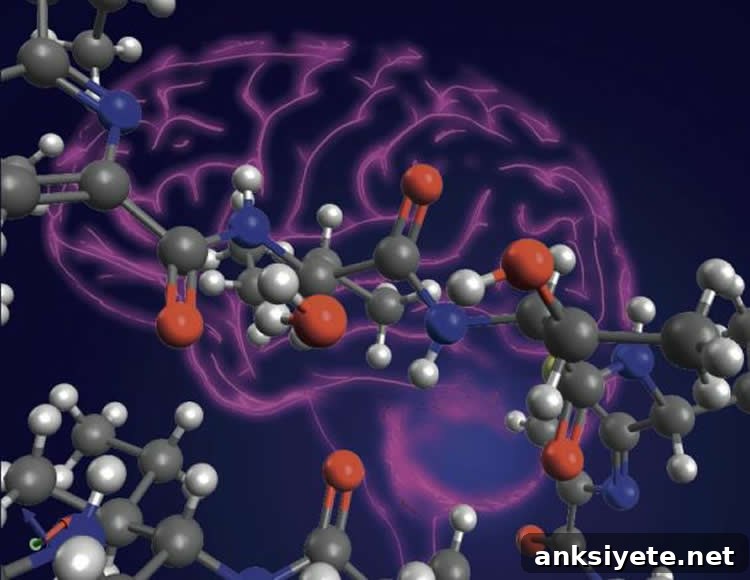
Summary: New imaging technology reveals molecular changes that occur before amyloid-beta plaques form in the brain. The findings suggest a shift from trying to remove amyloid to stabilizing its initial structure as a potential way to reduce Alzheimer’s symptoms.
Source: Lund University.
Researchers at Lund University in Sweden used the MAX IV synchrotron—the most powerful facility of its kind—to capture infrared spectroscopy images showing molecular changes that precede the formation of toxic beta‑amyloid clumps, the protein aggregates long associated with Alzheimer’s disease. These images challenge the prevailing view that amyloid plaques form abruptly and instead reveal a slower, multi‑step progression that opens new therapeutic possibilities, including stabilizing amyloid structures rather than eliminating them.
For decades, the dominant model described beta‑amyloid plaques as appearing almost instantaneously—often called “popcorn plaques”—but the high‑resolution infrared imaging from the synchrotron uncovered earlier and more gradual structural changes at the molecular level.
“This method has not been applied to study early Alzheimer’s development before,” says Gunnar Gouras, professor of experimental neurology at Lund University and senior author of the study. “The images indicate that disease progression is slower than previously believed and includes intermediate steps about which we currently know very little. That finding immediately raised important new questions.”
The team examined these previously hidden early stages more closely using biochemical identification techniques led by the study’s first author, Oxana Klementieva. Their analysis revealed an additional, unexpected feature: beta‑amyloid appears not as single peptide units at the earliest detectable stage, but as assemblies of four peptides bound together—a tetramer.
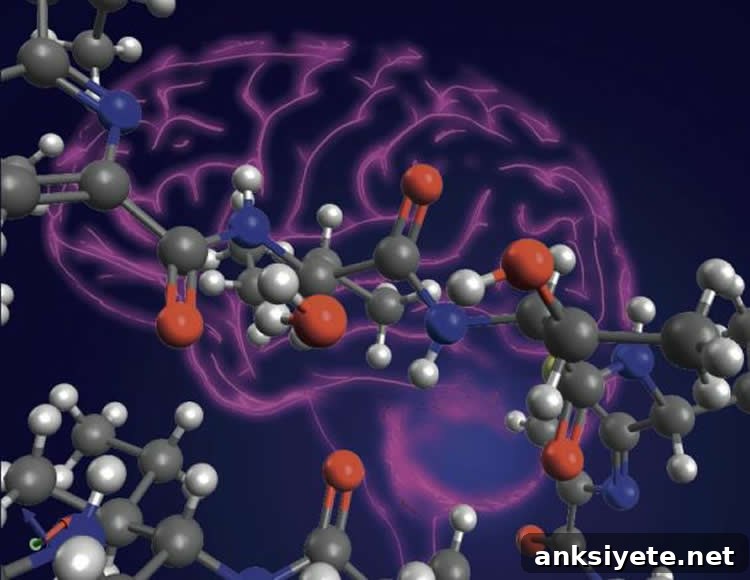
The identification of beta‑amyloid tetramers introduces a novel hypothesis for the earliest steps of aggregation. According to this view, the pathological cascade may begin when a normally assembled tetramer destabilizes and releases smaller peptide units that then aggregate into larger, toxic assemblies and finally plaques.
“This is extremely exciting,” says Gunnar Gouras. “In another amyloid disorder—transthyretin amyloidosis—breaking apart of a tetramer has been identified as a key step in disease progression. For that condition there is already a drug that stabilizes the tetramers and slows disease progression. Our data raise the possibility that stabilizing beta‑amyloid tetramers could become an alternative therapeutic strategy for Alzheimer’s disease.”
The finding has clear implications for ongoing and future drug development. Most current clinical trials aim to remove established plaques or prevent their accumulation. If disease initiation depends on destabilization of tetramers and a slow, stepwise progression, stabilizing the early assembly could prevent downstream aggregation and neurotoxicity, offering a different route for therapy design.
Moving forward, the Lund University team plans to map the interaction patterns of beta‑amyloid molecules that precede aggregation. By identifying the biochemical triggers or environmental conditions that cause tetramers to dissociate, researchers hope to discover molecular targets for interventions that preserve tetramer stability and block the cascade that leads to plaque formation and neuronal damage.
These results are notable both for the novel application of synchrotron‑based infrared spectroscopy to Alzheimer’s research and for the potential shift in therapeutic strategy they imply. The work highlights how advanced imaging at the molecular level can reveal hidden stages of disease progression and redirect efforts toward preventive or stabilizing approaches rather than exclusively toward plaque removal.
Source: Lund University.
Image credit: Per Uvdal.
Original research: The study will appear in Nature Communications.
MLA: Lund University. “Never Before Seen Images of Early Stage Alzheimer’s Disease.” Neuroscience News, 13 March 2017.
APA: Lund University (2017, March 13). Never Before Seen Images of Early Stage Alzheimer’s Disease. Neuroscience News.
Chicago: Lund University. “Never Before Seen Images of Early Stage Alzheimer’s Disease.” Neuroscience News (accessed March 13, 2017).