
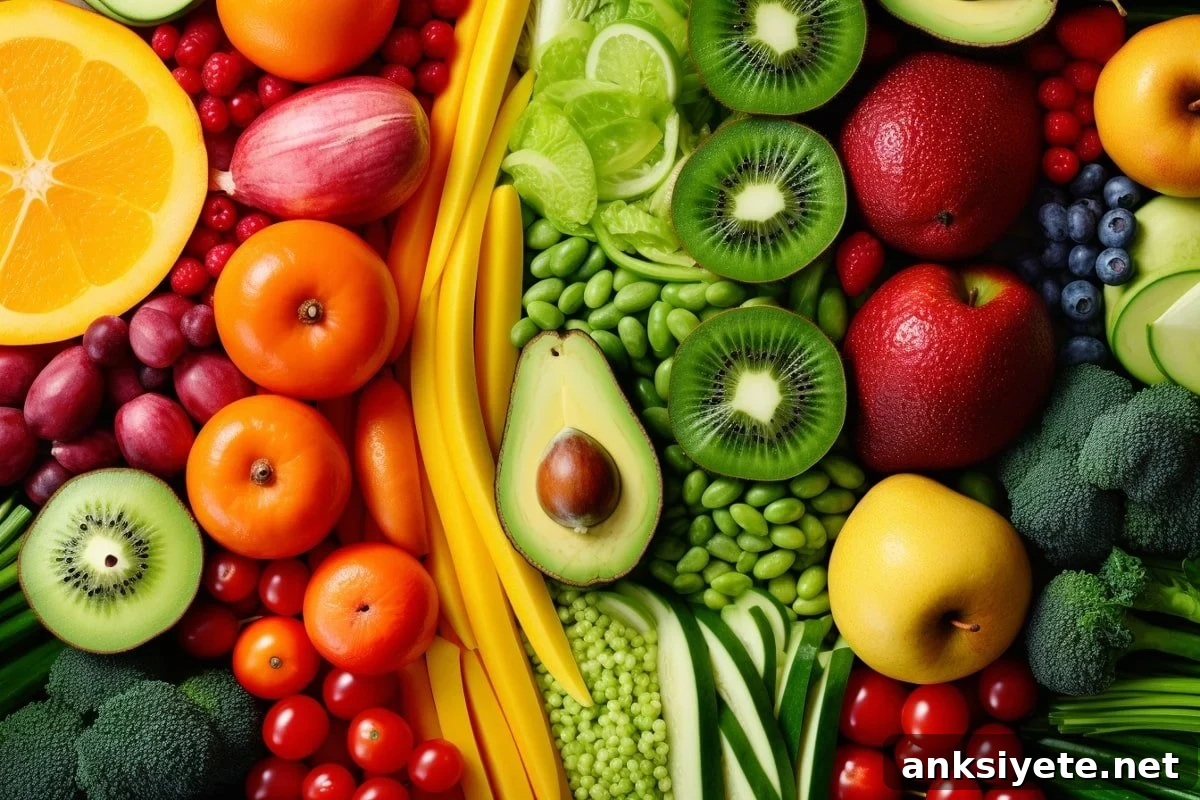
Summary: Adding colorful fruits and vegetables high in lutein and zeaxanthin—plant pigments known as macular pigments—to athletes’ diets may enhance their visual range and overall functional vision.
New analysis highlights how these pigments accumulate in the retina to support eye health and visual performance. Improved visual range allows athletes across many sports to see distant targets with greater clarity and contrast, which can be decisive in competition.
By acting as a yellow filter against scattered blue light, lutein and zeaxanthin reduce atmospheric glare and improve the eye’s ability to resolve distant detail, offering a dietary approach to complement protective eyewear and other measures.
Key Facts:
- Macular pigments lutein and zeaxanthin, abundant in dark leafy greens and yellow/orange vegetables, are linked to improvements in eye and brain health.
- Visual range—the ability to see a target clearly across distance—is crucial for athletes in sports such as baseball, soccer, cricket, golf, and many field or court events.
- When these pigments accumulate in the retina they act as a natural yellow filter that selectively reduces the impact of short-wavelength blue light, improving contrast and reducing visual interference from haze and glare.
Source: University of Georgia
Nutrition is a core part of any elite athlete’s regimen. A recent review from researchers at the University of Georgia suggests that increasing dietary intake of colorful, lutein- and zeaxanthin-rich foods could be a practical way to boost athletes’ visual range and related performance skills.
Published in Exercise and Sport Sciences Reviews, the review synthesizes decades of research on macular pigments—plant-derived carotenoids that build up in the retina—and their impact on both ocular health and functional aspects of vision relevant to sport.
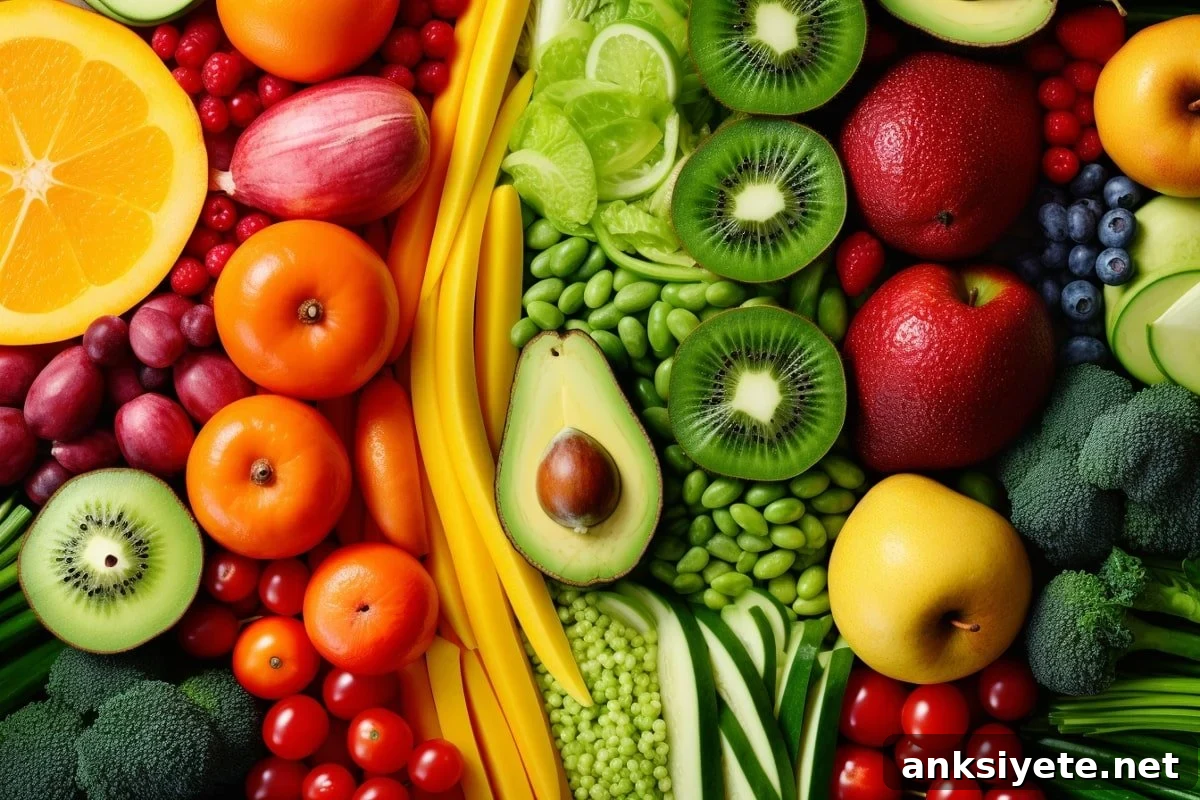
Previous studies by UGA researchers Billy R. Hammond and Lisa Renzi-Hammond have demonstrated that diets rich in dark leafy greens and yellow or orange vegetables, which supply high amounts of lutein and zeaxanthin, are associated with measurable improvements in visual and cognitive measures.
“Much of the research on macular lutein and zeaxanthin has emphasized long-term health benefits, but from a functional standpoint higher retinal concentrations of these pigments enhance a range of visual and cognitive abilities,” said lead author Jack Harth, a doctoral candidate in UGA’s College of Public Health. “This review focuses on their role in improving far-distance vision or visual range.”
Visual range—the capacity to discern a distant object clearly—is a practical advantage for athletes who must track moving targets against complex backgrounds, such as a baseball against a bright sky or a soccer ball viewed across a sunlit field.
A significant reason distant objects appear less distinct is scattering of short-wavelength blue light in the atmosphere. That scattered blue light reduces contrast and makes distant edges appear fuzzy.
“For a center fielder, a ball rising against a bright blue sky or a gray overcast is being viewed through a layer of atmospheric scatter. That interference reduces contrast and obscures fine detail,” Harth explained.
Athletes often use external tools—eye black, tinted lenses, or polarized sunglasses—to counteract glare and blue-light scatter. The review highlights that dietary lutein and zeaxanthin provide an internal, biological filter by depositing yellow pigment in the retina to attenuate short-wavelength light before it interferes with visual processing.
Work going back to visual-range testing of pilots in the 1980s, together with more recent UGA studies, shows that macular pigment density—the amount of yellow pigment in the retina—correlates with lower glare disability, better chromatic contrast, faster visual-motor reaction times, and improved performance on certain cognitive tasks.
“Across numerous studies we’ve observed that higher retinal lutein and zeaxanthin reduces discomfort from glare, enhances contrast sensitivity, and speeds visual-motor responses. Supplementation can also support executive functions such as problem-solving and memory—skills that contribute to athletic performance,” said corresponding author Billy R. Hammond, professor of psychology at UGA.
The review brings together modeling data and laboratory evidence, and it calls for field-based research that measures athletes’ ability to detect contrast at distance in real outdoor conditions with natural blue haze.
Harth notes individual variation in response: absorption and retinal deposition of lutein and zeaxanthin differ between people, so the timeline and magnitude of benefits will vary. Some athletes may notice improvements sooner than others, and dietary change is not a guaranteed quick fix.
Nonetheless, the authors emphasize that increasing intake of lutein- and zeaxanthin-rich foods carries little downside and offers established health advantages in addition to potential visual performance gains. For athletes seeking marginal improvements in vision-driven tasks, adding colorful greens, fruits, and vegetables is a sensible, evidence-informed strategy.
“Our modeling and empirical data show that higher macular pigment enhances distance vision. For athletes whose sports rely on long-range visual judgments, this dietary approach is straightforward and promising,” Harth concluded.
About this diet and visual neuroscience research news
Author: Cole Sosebee
Source: University of Georgia
Contact: Cole Sosebee – University of Georgia
Image: The image is credited to Neuroscience News
Original Research: Closed access. “A Dietary Strategy for Optimizing the Visual Range of Athletes” by Billy R. Hammond et al., published in Exercise and Sport Sciences Reviews.
Abstract
A Dietary Strategy for Optimizing the Visual Range of Athletes
Visual range is measured by how far one can clearly resolve objects—an ability that varies widely between individuals and matters for many athletic pursuits. The authors propose that differences in sensitivity to scattered short-wavelength light, moderated by diet-derived retinal pigments lutein and zeaxanthin, are a primary factor driving these individual differences.