
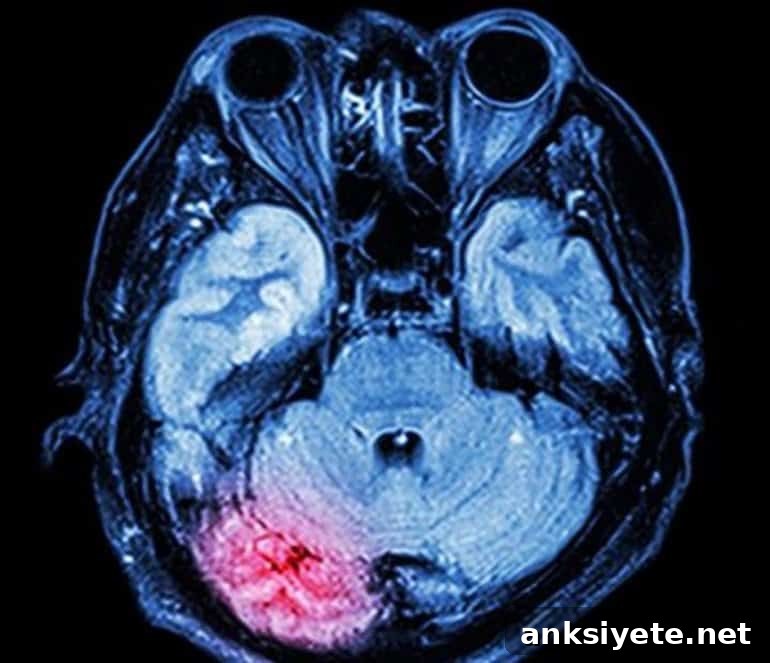
Summary: Blocking the neurotransmitter substance P after a head injury prevents the formation of tau protein tangles in the brain, offering a potential way to reduce the risk of chronic traumatic encephalopathy (CTE) and other dementias linked to repeated head trauma.
Source: University of South Australia
A world-first international study led by the University of South Australia has identified a promising drug approach that may stop athletes and others from developing dementia after repeated head injuries.
Researchers already understand there is a clear connection between concussions and later-life neurodegenerative conditions. The new study explains a mechanism by which repeated head impacts drive the pathological changes seen in chronic traumatic encephalopathy (CTE) and demonstrates a therapeutic strategy to block that process.
CTE is a progressive brain disease linked to the abnormal accumulation of hyperphosphorylated tau protein, which forms tangled fibers inside neurons and impairs cognitive function, mood and behaviour. The condition has been associated with memory loss, confusion, personality changes, aggression, depression and suicidal thinking.
Published in Scientific Reports, the paper from UniSA Emeritus Professor Bob Vink and collaborators shows how repeated concussions trigger the release of a neurotransmitter called substance P, which in turn promotes the buildup of tau inside neurons. The researchers then tested a targeted compound that blocks substance P signaling and found it prevented tau tangles from forming in experimental models.
These results matter for contact-sport athletes such as boxers and footballers, as well as military personnel who experience repeated blast exposures or other head trauma. By interrupting the biochemical cascade that leads to tau aggregation, the treatment reduced the pathological changes that underlie CTE in the study’s animal models, raising the possibility of preventing the disease in people.
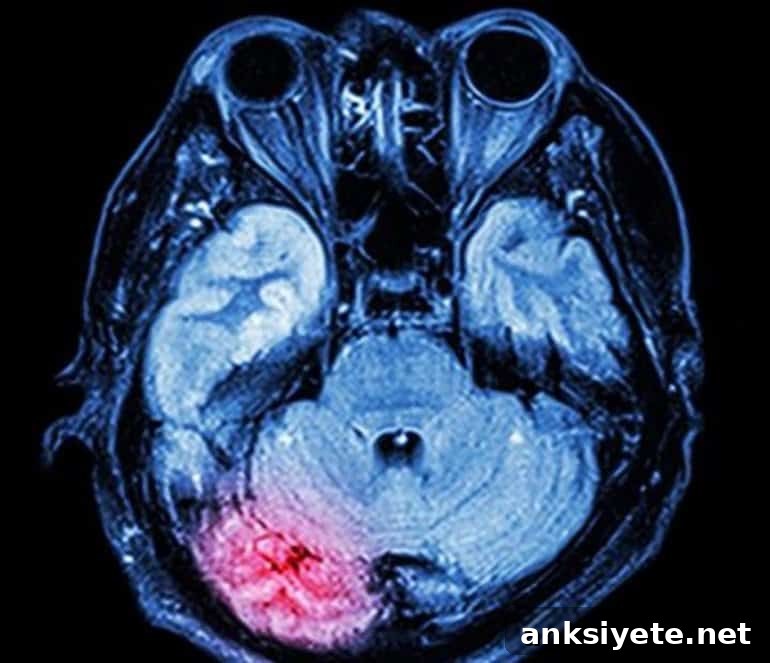
“Our findings indicate that blocking substance P after head injury interferes with the process that leads to tau pathology,” Prof Vink explains. “When substance P is inhibited, the downstream events that normally cause tau to become hyperphosphorylated and form intracellular tangles do not occur, so the brain avoids the neurodegenerative cascade associated with CTE.”
The treatment has been effective in controlled animal studies, which offers hope that a similar approach could be translated to humans. However, Prof Vink cautions that moving from successful preclinical results to approved human therapies requires careful clinical trials, regulatory review and time. Currently, a definitive diagnosis of CTE is only possible after death, which complicates clinical development and assessment of long-term outcomes.
Epidemiological evidence underscores the urgency of this research. A large, long-term study of 14,000 Americans published in Alzheimer’s and Dementia found that a single head injury increases the lifetime risk of dementia by about 25 percent, and the risk rises further with multiple traumatic brain injuries. Separately, high-profile cases and post-mortem analyses of young athletes have highlighted that repeated concussions can cause serious, lasting neurological damage.
This new research shifts focus toward an actionable biological target—substance P—and presents a plausible preventative strategy against tau-related neurodegeneration after head trauma. If clinical trials confirm safety and efficacy in people, the approach could eventually become part of treatment protocols for athletes, veterans and others at risk of repeat head injury.
The research also reinforces the importance of concussion prevention, prompt management of head injuries, and long-term monitoring for those with repeated exposures. While the drug used in the study specifically targets substance P signaling, broader strategies that reduce head impacts, enforce return-to-play protocols, and improve protective equipment will remain essential complements to any pharmaceutical intervention.
About this dementia research news
Source: University of South Australia
Contact: Candy Gibson – University of South Australia
Image: The image is credited to University of South Australia
Original Research: The study will appear in Scientific Reports