
New MRI research from UC Davis shows that vigorous exercise rapidly increases two key brain neurotransmitters — glutamate and gamma-aminobutyric acid (GABA) — revealing a metabolic mechanism that helps explain exercise’s benefits for mood and brain function.
Published in The Journal of Neuroscience, the study provides direct imaging evidence that high-intensity physical activity stimulates the brain’s biochemical pathways that replenish neurotransmitters involved in chemical signaling between neurons. These findings shed light on how exercise may protect mental health and offer potential therapeutic value for disorders linked to neurotransmitter imbalances, including major depressive disorder.
Lead author Richard Maddock, professor in the Department of Psychiatry and Behavioral Sciences at UC Davis, explains that depression is often associated with reduced levels of glutamate and GABA, which tend to normalize as patients recover. “Our study shows that exercise activates the metabolic pathway that replenishes these neurotransmitters,” Maddock said, suggesting a biological link between physical activity and improved emotional regulation.
Brain metabolism during exercise has been a long-standing puzzle. The brain consumes large amounts of glucose and other carbohydrates during vigorous activity, but how that added fuel is used has not been fully understood. The UC Davis study indicates that part of the extra metabolic demand supports increased synthesis of neurotransmitters, a process that could underlie some of exercise’s cognitive and mood-related benefits.
“From a metabolic standpoint, vigorous exercise is one of the most demanding activities the brain encounters,” Maddock noted. “It appears that the brain uses some of that energy to make more neurotransmitters, which may help explain why regular physical activity supports mental health and cognitive function.”
Study design and key findings
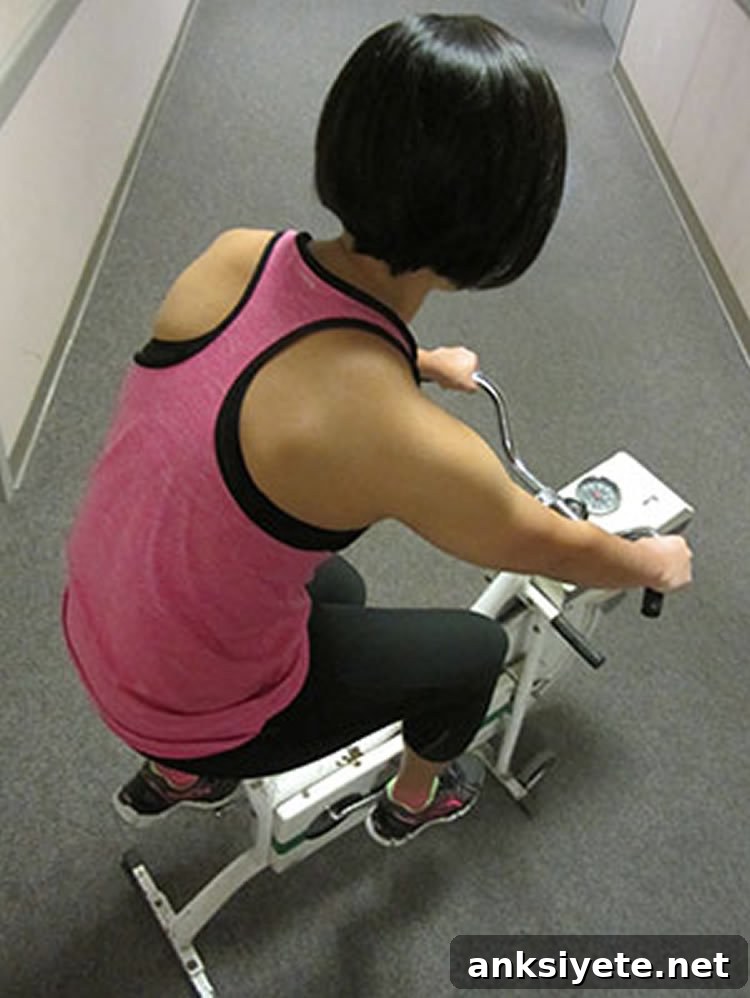
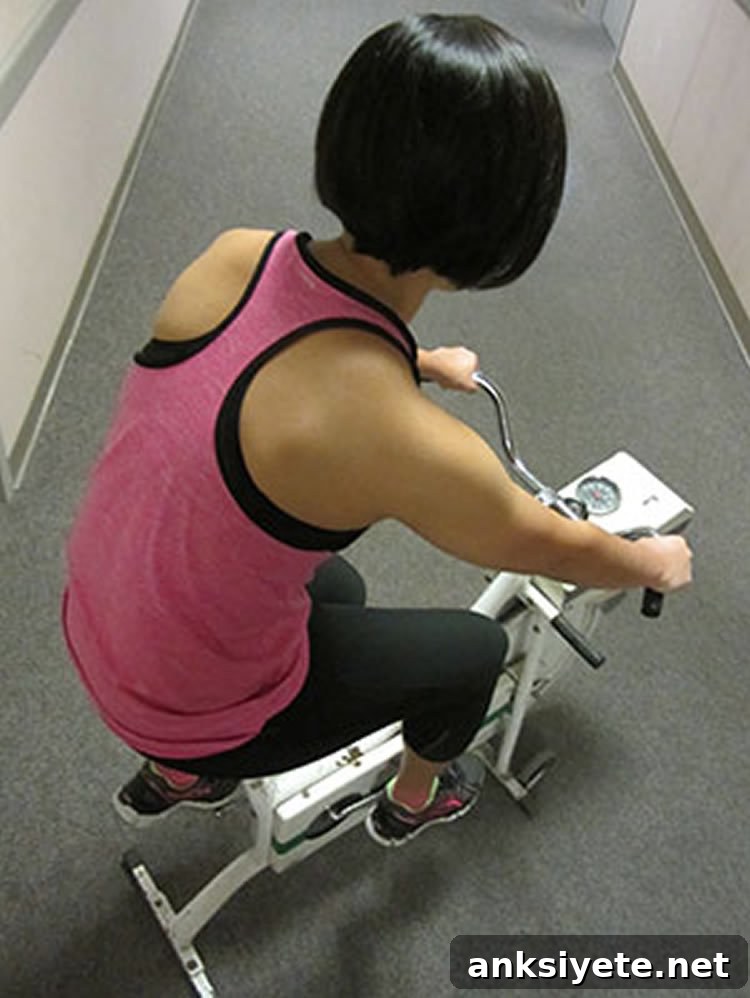
The research team recruited 38 healthy volunteers who completed vigorous cycling sessions on a stationary bicycle, achieving approximately 85% of their predicted maximum heart rate. Using a powerful 3-tesla MRI scanner and proton magnetic resonance spectroscopy, the investigators measured hydrogen-based resonance signals that identify molecular compounds and allow quantification of glutamate and GABA concentrations in the cortex.
Measurements were taken in two brain regions immediately before and after three separate exercise sessions lasting between eight and 20 minutes, and compared with a non-exercise control group. Participants who exercised showed significant increases in both glutamate and GABA in the visual cortex and increases in glutamate in the anterior cingulate cortex, a region involved in heart-rate regulation, cognitive control, and emotion. The non-exercising control group showed no such changes.
Although neurotransmitter levels tended to decline over time after exercise, the researchers observed some evidence of longer-lasting effects and a preliminary relationship between recent activity and resting glutamate levels: participants who reported more physical activity during the previous week had higher resting glutamate. While preliminary, this pattern supports the idea that habitual exercise may influence baseline neurotransmitter reserves.
Implications for depression and brain health
These results support a metabolic explanation for how exercise can influence mood and brain function. Because major depressive disorder is often linked to depleted glutamate and GABA, exercise-induced increases in these neurotransmitters may be one mechanism by which physical activity reduces depressive symptoms. Exercise may be especially relevant for younger patients who can experience side effects from standard antidepressants such as selective serotonin reuptake inhibitors (SSRIs).
Maddock and colleagues emphasize that not every person with depression will respond to exercise in the same way, but the imaging approach used in this study may help identify which patients are most likely to benefit from an exercise prescription. Future research will aim to determine whether less intense activities, like brisk walking, produce similar neurotransmitter effects and to test these exercise-imaging methods directly in patients with depression.
Additional authors on the study included Gretchen Casazza, Dione Fernandez, and Michael Maddock. Funding was provided in part by the UC Davis Department of Psychiatry and Behavioral Sciences.
Abstract summary
The study, “Acute Modulation of Cortical Glutamate and GABA Content by Physical Activity,” reports that vigorous physical activity (≥80% of predicted maximal heart rate) produced significant increases in cortical glutamate and GABA signals measured by proton magnetic resonance spectroscopy. The increases were observed in the visual cortex and, for glutamate, in the anterior cingulate cortex as well. These findings are consistent with an exercise-induced expansion of cortical neurotransmitter pools and support the hypothesis that the brain’s increased nonoxidative carbohydrate consumption during vigorous activity contributes to de novo synthesis of amino-acid neurotransmitters. Understanding this active brain state may provide insights into exercise’s therapeutic potential in neuropsychiatric disorders, neurorehabilitation, aging, and cognition.
“Acute Modulation of Cortical Glutamate and GABA Content by Physical Activity,” Richard J. Maddock, Gretchen A. Casazza, Dione H. Fernandez, and Michael I. Maddock. Published online February 24, 2016 in Journal of Neuroscience. DOI: 10.1523/JNEUROSCI.3455-15.2016