
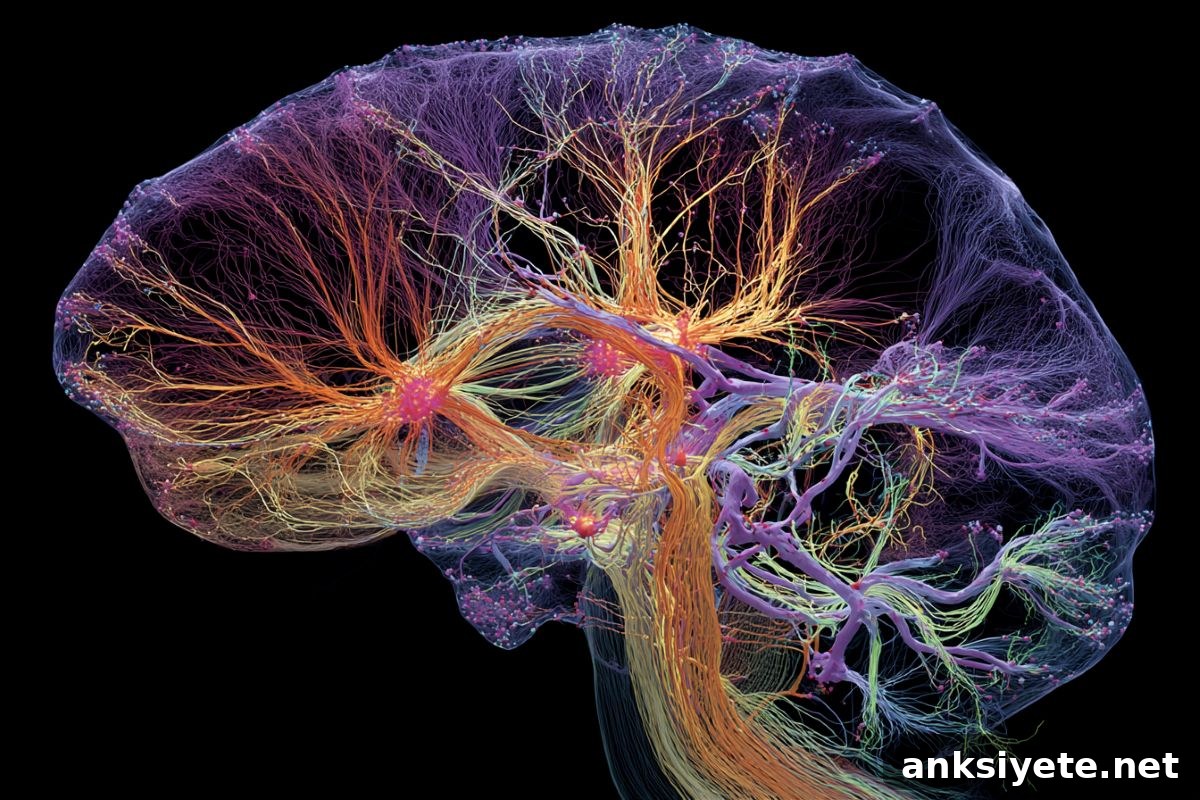
Summary: New brain imaging research indicates that structural damage in schizophrenia spectrum disorders (SSD) may begin in specific “epicenter” regions and then spread through connected brain networks. Patients with SSD showed widespread reductions in structural similarity between key cognitive and emotional brain regions, especially in higher-order association areas. These network-level disruptions were strongest in individuals with more severe symptoms and greater cognitive impairment, supporting a model of progressive, connectivity-driven brain change rather than isolated regional injury.
Key Facts
- Early Damage Sites: Structural abnormalities appear to originate in higher-order association regions of the temporal, cingulate, and insular lobes.
- Network Disconnection: Reduced structural similarity between cortical regions—measured with MRI-derived metrics—reflects widespread morphological disconnection across networks.
- Neurobiological Signature: Affected areas show higher astrocyte presence, altered dopamine and serotonin-related signaling, and indications of reduced metabolic activity and microstructural integrity.
Institution: University of Seville
Overview: Researchers at the University of Seville used advanced structural MRI analyses to map where and how brain morphology diverges in schizophrenia spectrum disorders compared with neurotypical individuals of the same sex and age. By building individual Morphometric INverse Divergence (MIND) networks for each participant, the team quantified how similar different cortical regions are in terms of measures such as cortical thickness, surface area, and regional volume. Lower MIND values indicate less morphological similarity and suggest greater structural disconnection between regions.
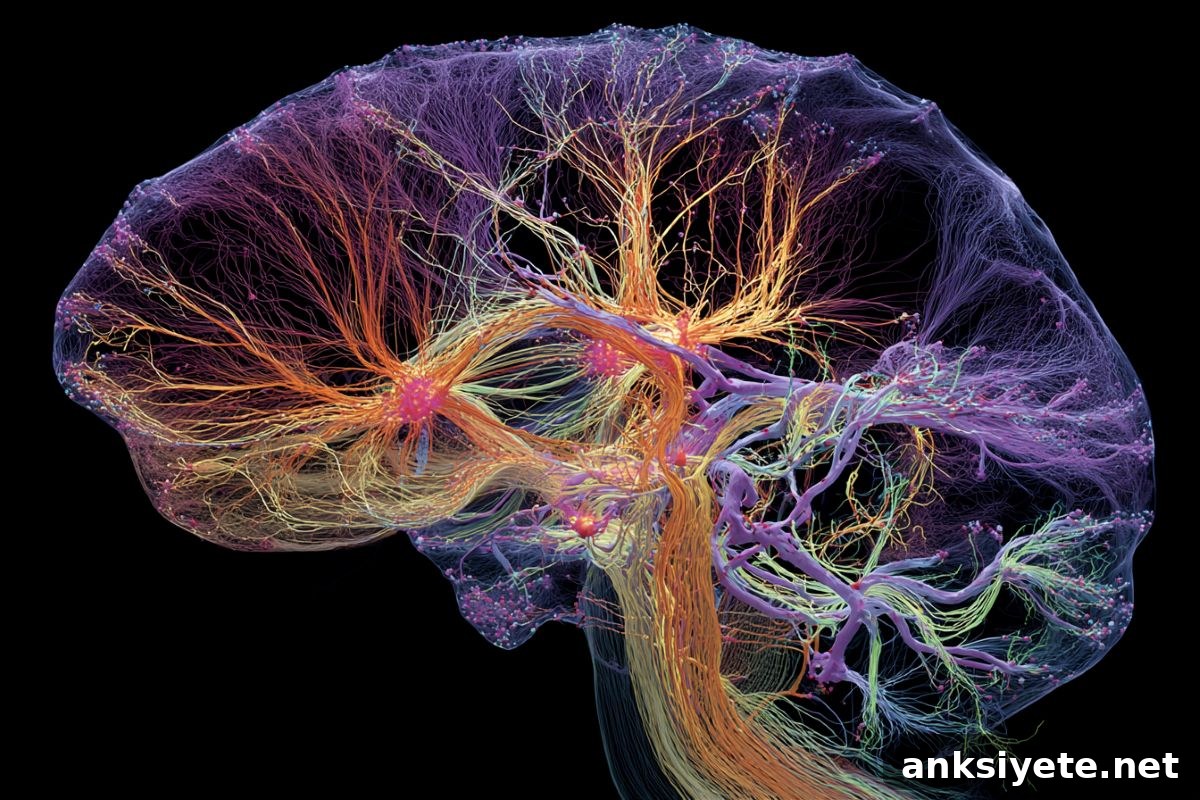
Using data from 195 healthy controls and 352 people with SSD, the investigators found pronounced reductions in structural similarity concentrated in the temporal, cingulate and insular lobes. These reductions were most prominent in patients classified as having a poor clinical status, defined by more severe symptoms and more pronounced cognitive deficits. Importantly, the regions showing the greatest MIND decreases tend to be higher-order association cortices—areas that mature later in development and support complex cognitive functions such as social cognition, executive control and integration of sensory and emotional information.
The pattern of morphological change supports a network-based disease model: alterations appear to originate in specific epicentres and propagate along structural and functional connections, producing a widespread disconnection that aligns with clinical impairment. This contrasts with a strictly focal-damage view and highlights the role of disrupted brain maturation and connectivity in SSD.
To explore underlying biology, the study related MIND network abnormalities to a set of 46 neurobiological features. Regions with lower structural similarity in SSD were associated with greater astrocyte density, altered profiles of neurotransmitters such as dopamine and serotonin, and markers of reduced metabolism and cortical microstructure. These associations suggest that the observed morphological disconnection reflects both maturational timing and specific cellular and molecular vulnerabilities.
Clinical implications include the potential to develop MRI-based structural biomarkers that combine network-level measures with neurobiological profiles to better stratify patients and inform personalized interventions. By pinpointing likely epicentres and the network pathways through which changes spread, future therapies might target connectivity or specific neurochemical systems to slow progression or improve functional outcomes.
Key Questions Answered:
A: Evidence points to specific regions in the temporal, cingulate, and insular lobes acting as early epicentres before alterations spread through connected networks.
A: Researchers used Morphometric INverse Divergence (MIND) networks derived from structural MRI measures—volume, cortical thickness and surface area—to quantify morphological similarity between regions.
A: Greater structural disconnection correlates with worse cognitive functioning and more severe clinical symptoms, suggesting network-level measures could help predict clinical outcome and guide treatment strategies.
Editorial Notes:
- This article was edited by a Neuroscience News editor.
- The full journal paper was reviewed.
- Additional explanatory context was added by editorial staff.
About this schizophrenia research news
Author: María García Gordillo
Source: University of Seville
Contact: María García Gordillo – University of Seville
Image credit: Neuroscience News
Original Research: Open access. “Reduced brain structural similarity is associated with maturation, neurobiological features, and clinical status in schizophrenia” by Natalia García-San-Martín et al., published in Nature Communications.
Abstract (summary):
Schizophrenia spectrum disorders show atypical brain maturation and altered structural similarity between cortical regions. Constructing individual MIND networks from structural MRI data in 195 healthy controls and 352 individuals with SSD revealed predominant reductions in structural similarity across temporal, cingulate and insular lobes, especially in patients with poor clinical status (greater cognitive impairment and more severe symptomatology). MIND reductions map to later-maturing, higher-order association areas and co-localize with neurobiological features including increased astrocyte presence, altered neurotransmitter profiles and decreased metabolic and microstructural markers. These results highlight the interplay between cortical maturation, neurobiology, and network-level structural organization in shaping clinical outcomes in SSD and support the development of structural network biomarkers for personalized approaches to care.