
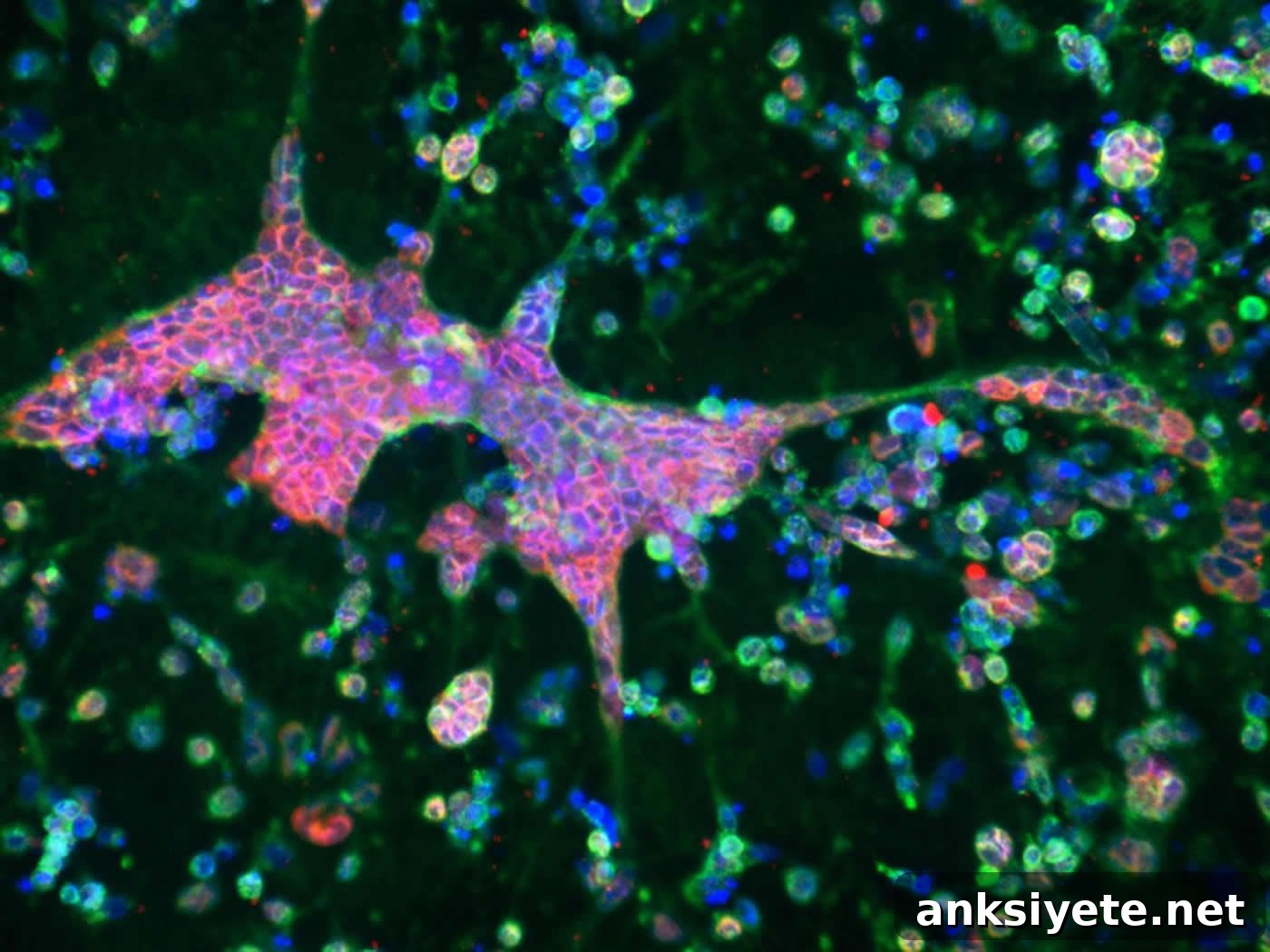
Summary: Using a three-dimensional human brain tissue model, Tufts University researchers demonstrated a potential causal link between sporadic Alzheimer’s disease and herpes simplex virus type 1 (HSV-1) infection. Infected constructs showed hallmark Alzheimer’s features, and 40 Alzheimer’s-associated genes—including genes related to amyloid-beta production—were upregulated following HSV-1 exposure.
Source: Tufts University
Tufts University engineers and biomedical scientists developed a 3D human brain tissue culture that reproduces key cellular and structural features of the brain to investigate whether herpes simplex virus type 1 (HSV-1) can trigger Alzheimer’s disease–like pathology. Published in Science Advances, the model recreates multiple Alzheimer’s-associated changes after HSV-1 infection and provides a scalable platform for testing preventive and therapeutic agents.
When researchers infected neurons in the bioengineered 3D brain model with HSV-1, the tissue developed multiple Alzheimer’s-like pathologies within days. Observations included dense amyloid-beta plaque formation, progressive neuron loss, neuroinflammation, and impaired neural network signaling—features commonly seen in patients with Alzheimer’s disease. Treating infected constructs with the antiviral drug valacyclovir reduced plaque accumulation and improved several molecular and functional markers associated with the disease.
Prior research has implicated infectious agents as possible environmental triggers for Alzheimer’s disease, and HSV-1 has emerged repeatedly as a candidate. This work leverages a human-derived, tissue-based system to examine how HSV-1 exposure affects neurons that are not genetically predisposed to early-onset Alzheimer’s, which better models the sporadic form of the disease that makes up most clinical cases.
According to David Kaplan, Stern Family Professor of Engineering and chair of the Department of Biomedical Engineering at Tufts School of Engineering, “Our tissue model allowed us to observe a cascade of Alzheimer’s-relevant events triggered by herpes infection. Within three days we saw large, dense amyloid-beta deposits, upregulation of enzymes that produce these peptides, neuron loss, inflammation, and reduced neuronal signaling—essentially recapitulating many hallmarks of the disease in vitro.”
Gene expression analysis revealed that 40 genes associated with Alzheimer’s disease were significantly overexpressed in HSV-1–infected constructs versus uninfected controls. Notable among these were genes encoding cathepsin G and BACE2, enzymes implicated in the generation of amyloid-beta peptides. Several of the proteins elevated after infection represent potential targets for future drug development aimed at interrupting early steps in Alzheimer’s pathology.
First author Dana Cairns, a postdoctoral research associate in Kaplan’s laboratory, emphasized how the model differs from many existing in vitro systems: “Most lab models use cells bearing familial Alzheimer’s mutations or manipulate cells to overproduce disease-associated proteins. Our design starts with genetically normal neural stem cells and shows that HSV-1 infection alone can induce Alzheimer’s-like phenotypes, which is critical for studying sporadic disease mechanisms.”
Valacyclovir, an FDA-approved antiviral used clinically to treat herpes infections, partially reversed several infection-driven changes in the tissue model. The drug lowered plaque burden and restored expression levels of certain Alzheimer’s-related molecules—including presenilin-1—toward baseline. Because the 3D construct supports relatively high-throughput analysis, it can be used to screen candidate antivirals, anti-inflammatory compounds, or other interventions aimed at halting disease initiation or progression.
The 3D brain construct is a 6 mm donut-shaped scaffold composed of silk protein and collagen seeded with normal human neural stem cells that differentiate into neurons. Cell bodies reside within the silk–collagen ring, while axons extend into the central “donut hole,” mimicking cortical grey matter and projecting white-matter pathways. This architecture lets researchers visualize structural and biochemical changes in real time, while also recording electrical activity and communication integrity across the network—critical readouts for neurodegenerative disease research.
Most conventional in vitro Alzheimer’s models rely on cells from patients with early-onset familial disease (a small fraction of total cases), tumor-derived lines, or cells engineered to overexpress pathogenic proteins. Those approaches do not fully represent sporadic Alzheimer’s, which accounts for roughly 95 percent of cases and arises without clear inheritance. By starting with genetically normal cells and exposing them to environmental stressors, the Tufts model offers a more relevant approach to study triggers and early mechanisms of sporadic Alzheimer’s disease.
Contributing authors include Nicolas Rouleau and Rachael Parker (postdoctoral scholars, Tufts University School of Engineering), Katherine Walsh (undergraduate, Tufts School of Arts & Sciences), and Lee Gehrke (Hermann von Helmholtz Professor, Institute for Medical Engineering & Science, Massachusetts Institute of Technology; professor of microbiology and immunobiology, and health, science & technology, Harvard Medical School).
Funding: This work was supported by the Allen Discovery Center program through the Paul G. Allen Frontiers Group (12171) and the NIH (R01NS092847 and U19AI13115).
The authors report no competing interests related to the research or materials used in this study.
About this research:
Source: Tufts University
Media contact: Mike Silver, Tufts University
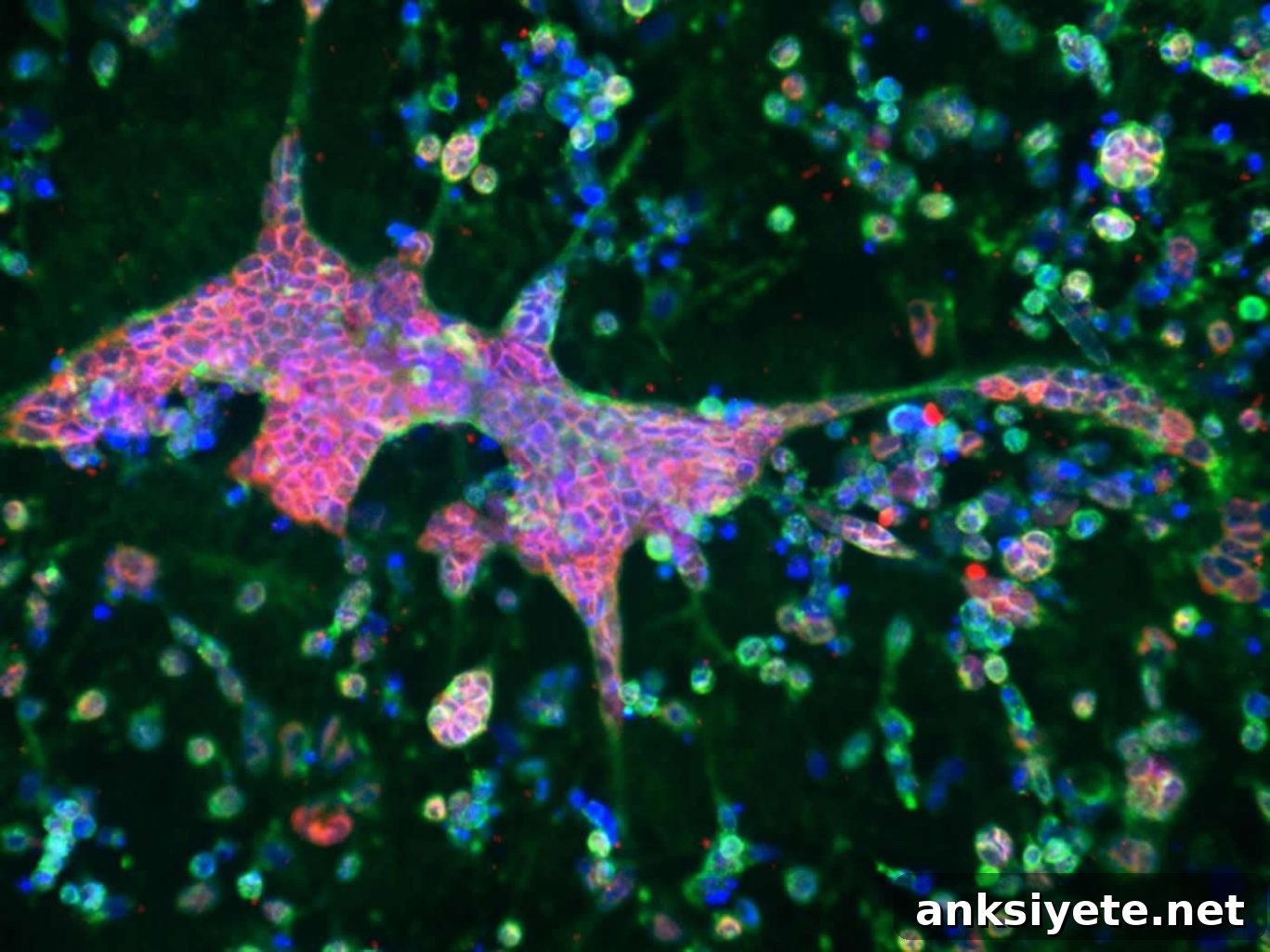
Image credit: Dana Cairns, Tufts University
Original research: Study appearing in Science Advances.