Summary: New research links mutations in histone H4—part of the DNA “spool”—to intellectual disabilities and developmental delay.
Source: University of Otago
Researchers led by the University of Otago have identified a previously unrecognized rare genetic mutation that explains the cause of developmental and cognitive differences in affected individuals and gives families a definitive diagnosis.
The mutation was first detected in a child from New Zealand and has since been confirmed in 29 people across 10 countries.
Lead author Dr. Louise Bicknell says the discovery provides clarity and support to families and improves scientific understanding of the molecular components essential for normal brain development and function.
Affected individuals display a range of intellectual disability, from mild learning challenges to more severe impairment associated with reduced quality of life. Some people also show neurological features such as seizures, motor coordination problems, autism spectrum traits, or attention-deficit/hyperactivity disorder.
“Families were often told there was likely a genetic explanation for their child’s condition but had no specific diagnosis,” Dr. Bicknell explains. “This work gives them a formal genetic diagnosis, which helps access services and support. It also allows accurate information about recurrence risk for family planning—it is very low in most cases.”
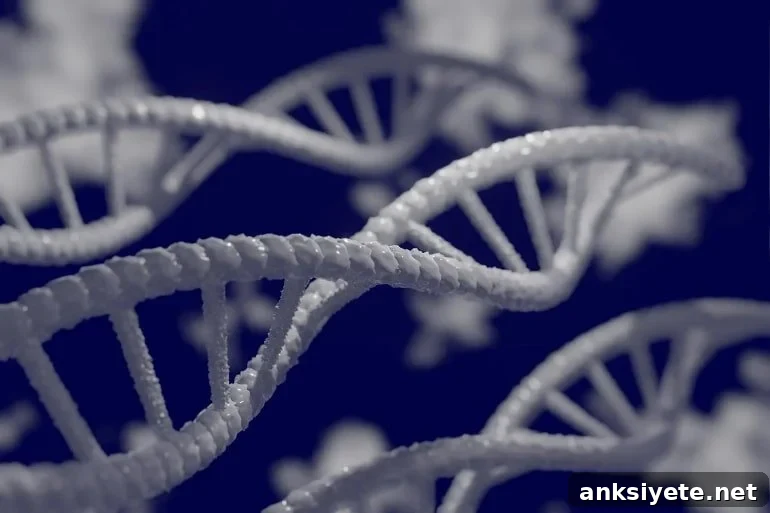
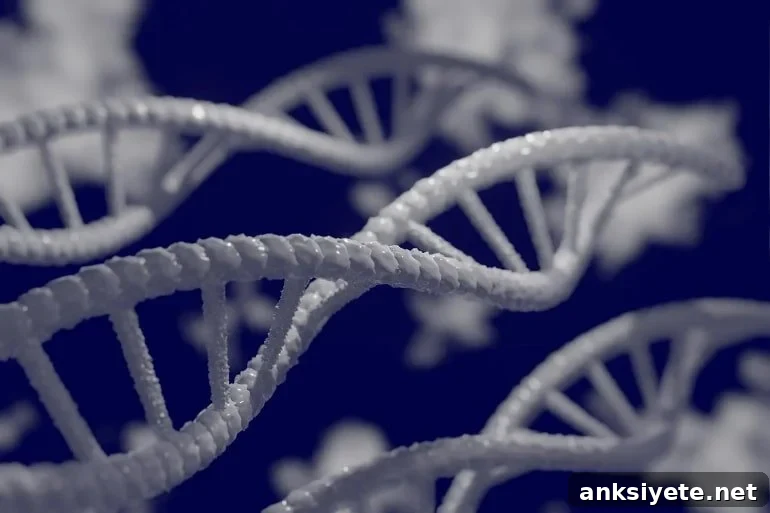
To fit into the cell nucleus, DNA is tightly wound around protein complexes, like thread wrapped on a spool. Histones are the protein components of that spool, and until recently they were viewed mainly as packaging rather than functional players in development.
“Our genetic studies show that altering the structure of the spool can interfere with brain development and function,” she says. “Mutations affecting one histone component—histone H4—are associated with a neurodevelopmental disorder seen in people from multiple countries.”
The investigation began with whole-exome sequencing of a New Zealand child. The team identified a novel H4 variant and then collaborated internationally to find other individuals with similar changes.
“Working with Associate Professor Gijs van Haaften in the Netherlands and using genetic matchmaking networks and professional networks, we assembled a cohort of 29 affected individuals who share de novo missense changes in histone H4 genes,” Dr. Bicknell says.
She notes the condition is likely underdiagnosed. “We usually identify cases in countries with good access to genetic testing. There are almost certainly additional people affected in other regions who remain undiagnosed because testing is not available.”
Human cells encode histone H4 from 14 canonical genes that differ at the DNA level but produce the same H4 protein. So far, researchers have found pathogenic missense variants in six of those genes. Functional studies in zebrafish supported the variants’ damaging effect on development.
“It is surprising that with 14 genes producing identical H4 protein sequences, other genes do not compensate for the defective one. That observation is intriguing and prompts further genetic and biochemical study,” she adds.
Beyond providing a diagnosis, the study delivers useful clinical information for families and clinicians. Because the research includes children and several affected adults, investigators can offer guidance about prognosis and long-term outcomes, including expectations for survival into adulthood.
From a biological standpoint, the findings widen understanding of molecular requirements for healthy brain function. The authors suggest that other changes in these same histone genes might influence more complex neurodevelopmental conditions, such as autism, when combined with other genetic or environmental factors.
To dissect the mechanisms that disrupt brain cell behavior, the team is studying patient-derived cells grown in the laboratory. These experiments aim to reveal how mutated H4 affects neural cell development and whether any pathways can be targeted for therapy.
“Our results raise many new questions, and we are pursuing these in the lab and with collaborating groups,” Dr. Bicknell says. “We are also supporting families by helping them connect, including establishing a private Facebook group so parents and caregivers can share experiences and practical advice.”
About this genetics research news
Author: Press Office
Source: University of Otago
Contact: Press Office – University of Otago
Image: The image is in the public domain
Original Research: Open access.
“Recurrent de novo missense variants across multiple histone H4 genes underlie a neurodevelopmental syndrome” by Federico Tessadori et al. American Journal of Human Genetics
Abstract
Recurrent de novo missense variants across multiple histone H4 genes underlie a neurodevelopmental syndrome
Chromatin is made of nucleosomes, each consisting of DNA wrapped around a histone octamer. This structure regulates essential cellular processes such as DNA replication, transcription, and repair. Human histone H4 is encoded by fourteen canonical genes that differ in nucleotide sequence but encode an identical protein. In this study, the authors describe 29 individuals with de novo missense variants in six H4 genes (H4C3, H4C4, H4C5, H4C6, H4C9, and H4C11) identified by whole-exome sequencing and matchmaking. All affected individuals show neurodevelopmental features including intellectual disability and motor or gross developmental delay, while non-neurological features vary between cases.
Ten distinct amino acids are altered by the variants, six of which recur across different individuals. All changes lie within the H4 core or its C-terminal tail and cluster in regions of the globular domain that mediate protein-protein interactions with other histone subunits or histone chaperones. Functional testing in zebrafish embryos produced abnormal overall development, defective cranial structures, and shortened body axis, providing strong evidence that these variants cause the described syndrome.
Although numerous developmental syndromes have been linked to chromatin-associated factors, pathogenic missense variants in histones are only recently recognized as drivers of disease. This work expands the role of histone H4 variants in human developmental disorders and highlights the need to understand how histone alterations impact neurodevelopment.