
Summary: Researchers at Trinity College Dublin found that hepatitis C virus (HCV) increases expression of suppressor of cytokine signaling (SOCS) proteins, which weakens the normal immune response to viral infection. This immune dampening helps explain why many HCV infections remain asymptomatic and undiagnosed in the months after exposure.
Source: TCD
Trinity College Dublin researchers reveal how Hepatitis C evades early immune detection
Scientists at Trinity College Dublin have identified a mechanism by which the hepatitis C virus (HCV) evades the body’s early immune response, allowing the virus to persist undetected in many people. Their findings, published in the FASEB Journal, show that HCV co-opts the host’s own regulatory systems to blunt inflammation and antiviral signaling.
HCV is primarily transmitted through infected blood and has historically been spread via contaminated blood products. The virus replicates most effectively in the liver, and chronic infection is a leading cause of liver disease worldwide. Despite the potential severity of HCV, initial infection is often clinically silent. Many people experience no obvious symptoms for several months after exposure, which delays diagnosis and treatment.
If untreated, HCV can establish a persistent infection in the liver that triggers a low-grade inflammatory response. Over time, repeated cycles of mild inflammation and tissue repair promote fibrosis—scar tissue that reduces liver function. Progressive fibrosis can lead to jaundice and other symptoms once liver function is significantly impaired. Detecting HCV early, before fibrosis progresses, significantly reduces the risk of long-term liver damage because modern antiviral therapies are highly effective when started promptly.
How HCV suppresses the immune response
Normal antiviral defenses depend on cytokines, signaling proteins that activate intracellular cascades and induce hundreds of genes involved in inflammation and antiviral activity. To prevent excessive and damaging inflammation, the body tightly regulates these pathways. One key family of regulators is the suppressor of cytokine signaling (SOCS) proteins, which turn down cytokine-driven pathways after an initial response.
The Trinity team discovered that HCV exploits that regulatory checkpoint. A component of the virus increases expression of a SOCS family member—SOCS3—in both liver cells and immune cells. By driving SOCS3 production, HCV effectively dampens pro-inflammatory and antiviral signaling pathways, producing a muted immune response that fails to clear the infection.
Assistant Professor Nigel Stevenson, who led the research, explains that HCV “hijacks” the host’s regulatory machinery. Increasing SOCS expression softens the immune system’s antiviral signals, preventing a robust inflammatory response. This subdued response allows HCV to survive, replicate, and spread between liver cells without provoking the strong symptoms that normally prompt clinical investigation.
At the molecular level, the researchers identified the HCV protein p7 as a key driver of SOCS3 induction. The p7 protein increased both SOCS3 messenger RNA and protein levels. Experiments showed that inhibitors of p7 reduced SOCS3 induction, indicating that p7’s ion channel activity contributes to this regulatory effect. Further work demonstrated that induction of SOCS3 by p7 requires activation of both the JAK-STAT (specifically STAT3) and MAPK (ERK) signaling pathways.
Functionally, the study found that p7 expression impaired tumor necrosis factor–alpha (TNF-α) signaling: p7 suppressed TNF-α–driven degradation of IκB-α and reduced NF-κB promoter activity, revealing a concrete anti-inflammatory effect. By blocking key steps in TNF-α signaling, p7-mediated SOCS3 up-regulation helps explain the lack of pronounced inflammatory symptoms during the early phase of HCV infection.
These findings clarify an important immune-evasion strategy used by HCV and highlight why many infections remain clinically silent for months. Understanding how p7 and SOCS3 interact to suppress antiviral responses could inform future approaches to improve early diagnosis and to design interventions that restore effective immune signaling during acute infection. Early detection remains critical because current antiviral therapies can cure most HCV infections if given before significant liver damage occurs.
Source:
TCD
Media Contacts:
Thomas Deane – TCD
Image Source:
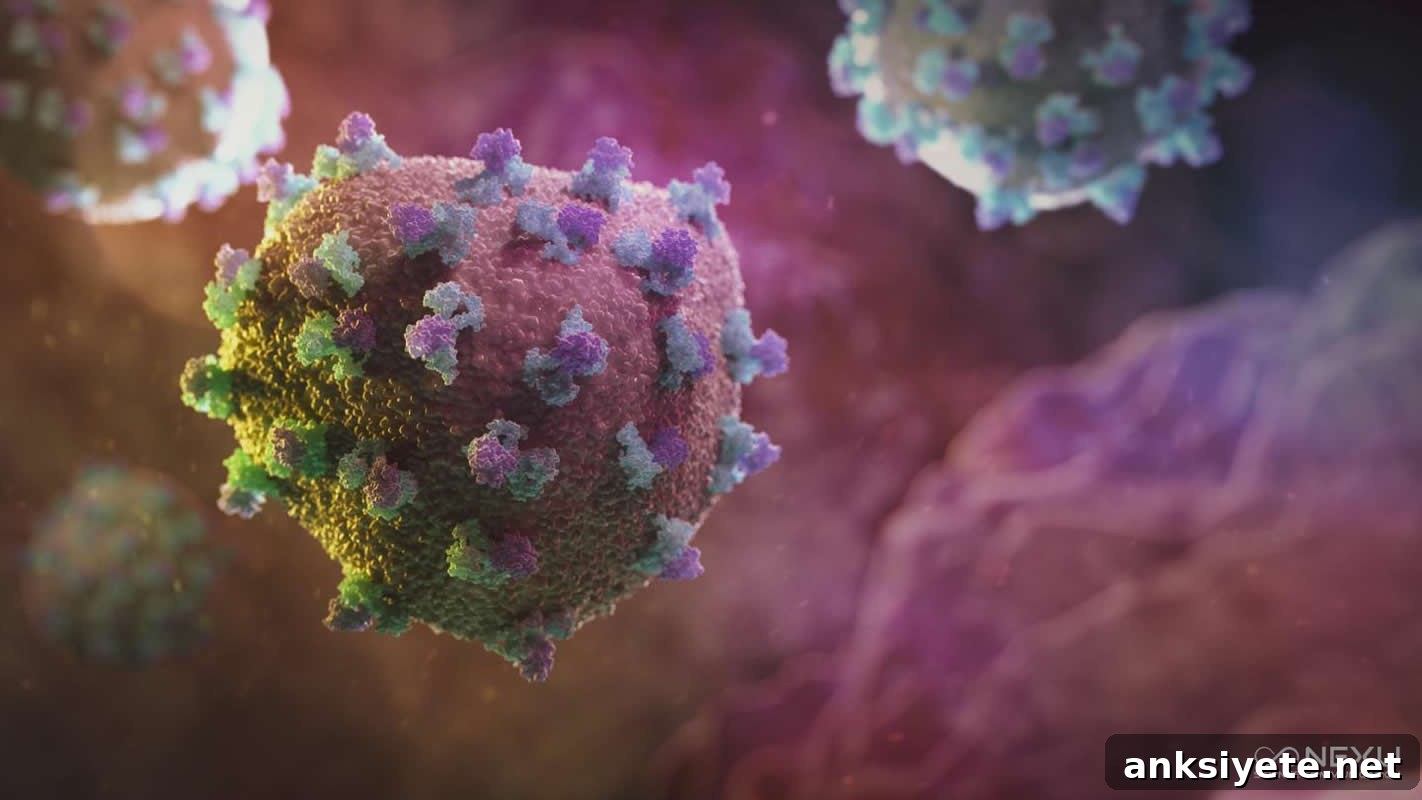
Image credited to Nexu Science Communication.
Original Research: Closed access
Study: “The hepatitis C virus (HCV) protein, p7, suppresses inflammatory responses to tumor necrosis factor (TNF)-α via signal transducer and activator of transcription (STAT)3 and extracellular signal-regulated kinase (ERK)–mediated induction of suppressor of cytokine signaling (SOCS)3”. Authors: Orla Convery, Siobhan Gargan, Michelle Kickham, Martina Schroder, Cliona O’Farrelly, and Nigel J. Stevenson. Published in FASEB Journal.
Abstract (summary)
The hepatitis C virus uses multiple strategies to evade host immunity, producing an often mild or nonspecific acute illness that delays detection. This study shows that the HCV p7 protein increases expression of the regulatory protein SOCS3, which inhibits TNF-α–mediated inflammatory responses. p7-enhanced SOCS3 requires p7 ion channel function and activation of STAT3 and ERK signaling pathways. Blocking p7 reduced SOCS3 induction, and p7 expression suppressed TNF-α–driven IκB-α degradation and NF-κB activity, demonstrating a functional anti-inflammatory effect. These results identify a molecular mechanism by which HCV-p7 induces SOCS3 through STAT3 and ERK activation, and explain, at least in part, why early HCV infection produces few inflammatory symptoms, allowing the virus to remain largely undetected during the acute phase.