
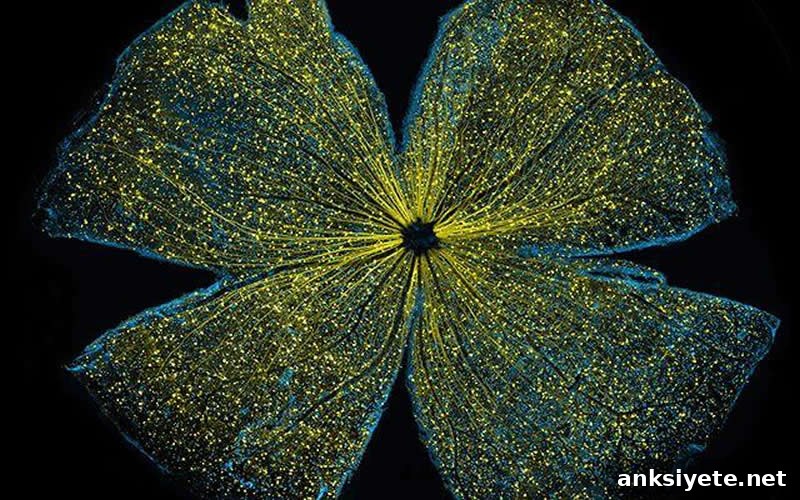
The ELOVL2 Gene Regulates Retinal Aging and Visual Function, UC San Diego Study Finds
Summary: The gene ELOVL2 plays a critical role in age-related functional and anatomical changes in mouse retinas. Increasing its expression restored age-related declines in vision, a finding that may inform treatments for age-related eye diseases such as macular degeneration.
Source: UC San Diego
Background and Key Finding
Researchers at the University of California San Diego School of Medicine report that the gene Elongation of Very Long Chain Fatty Acids Protein 2 (ELOVL2) is not only a robust biomarker of biological age but also a functional regulator of aging in the retina. Published in the journal Aging Cell, the study shows that ELOVL2 expression declines with age in mouse retina, a decrease linked to increased DNA methylation at the gene’s promoter. When promoter hypermethylation was reversed, ELOVL2 levels rose and age-related visual deterioration was rescued in mice.
Mechanism: Methylation and Fatty Acid Elongation
DNA methylation is a biochemical modification that commonly reduces gene expression when occurring in regulatory regions. The UC San Diego team found that age-related hypermethylation of the ELOVL2 promoter correlates with lower gene expression. ELOVL2 encodes an enzyme that elongates long-chain polyunsaturated fatty acids (PUFAs), including omega-3 and omega-6 fatty acids. These lipids are central to cellular energy, membrane integrity and inflammatory responses.
One important substrate influenced by ELOVL2 activity is docosahexaenoic acid (DHA), an omega-3 PUFA abundant in the brain and retina. DHA supports healthy photoreceptor function, mitigates light- and oxidative-stress damage, and has been associated with protection against several vision disorders, including age-related macular degeneration (AMD), diabetic eye disease and dry eye conditions.
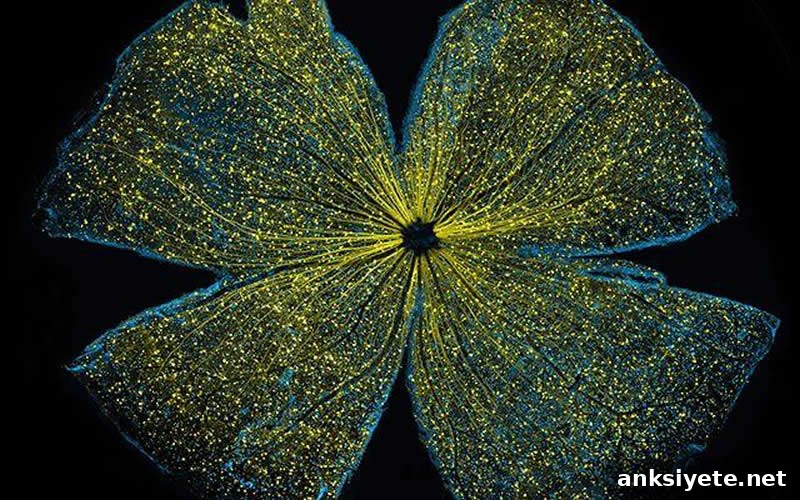
Experimental Evidence
To test whether altered methylation of the ELOVL2 promoter was causal, the researchers used intravitreal injections of the DNA methylation inhibitor 5-Aza-2’‑deoxycytidine (5-Aza-dc) to reverse hypermethylation in vivo. Treatment increased ELOVL2 expression and improved visual performance in aged mice, demonstrating a direct link between epigenetic regulation of ELOVL2 and retinal function.
Complementary experiments used mice carrying a point mutation (C234W) that disrupts ELOVL2’s enzymatic activity. These mutant animals developed premature visual decline on electrophysiological testing and early appearance of autofluorescent retinal deposits—markers associated with aging in the mouse eye. The mutant retinas also showed sub-retinal pigment epithelium deposits containing components similar to human drusen, the hallmark pathological lesion seen in age-related macular degeneration.
Implications for Aging and Eye Disease
These results are notable because they show a methylation-clock gene—previously used as a biomarker of biological age—actively contributes to organ aging. In the retina, ELOVL2 activity links the biochemical pathway of fatty acid elongation to structural and functional hallmarks of aging. The findings raise the possibility that restoring ELOVL2 expression or activity could be a therapeutic strategy to delay or treat age-associated retinal disease.
Lead author Dorota Skowronska‑Krawczyk, PhD, emphasized that while further study is needed, decreased ELOVL2 expression could underlie multiple age-related conditions. The lab plans to pursue those questions in future work.
Study Team and Disclosure
Co-first authors on the paper are Daniel Chen and Daniel Chao. Other contributors include Lorena Rocha, Viet Ahn Nguyen Huu, Michal Krawczyk, Manish Dasyani, Tina Wang, Maryam Jafari, Mary Jabari, Kevin D. Ross, Bruce Hamilton, Kang Zhang (all at UC San Diego), and Matthew Kolar and Alan Saghatelian (Salk Institute for Biological Studies).
Disclosure: In February 2019, a patent related to this work was licensed from UC San Diego to Visgenx, a startup developing treatments for dry age-related macular degeneration. Dorota Skowronska‑Krawczyk and Daniel Chao are co-founders with equity interest; Daniel Chao also serves as a consultant. The company is pursuing therapeutics based on approaches described in this research.