
Summary: A new molecular imaging approach may help identify and reduce the risk of relapse in alcohol use disorder by revealing adaptations in brain receptors linked to cravings.
Source: SNM
Neuroimaging study identifies a protective brain adaptation in recently sober individuals
Alcoholism is a chronic and devastating condition that frequently perpetuates a cycle of heavy drinking, withdrawal, and relapse. New research presented at the 2016 Annual Meeting of the Society of Nuclear Medicine and Molecular Imaging (SNMMI) highlights a promising imaging technique that detects changes in brain receptors involved in memory, learning, pain and anxiety. These changes, the researchers report, could help explain why some people in early recovery experience fewer cravings and may point to new targeted treatments to reduce the drive to drink.
Public health data underline the magnitude of the problem. According to 2016 statistics from the National Institute on Alcohol Abuse and Alcoholism (NIAAA), nearly 7 percent of adults aged 18 and older met criteria for a drinking disorder in 2014. Alcohol-related causes were identified as the fourth leading cause of preventable death in the United States that year, accounting for almost 88,000 deaths.
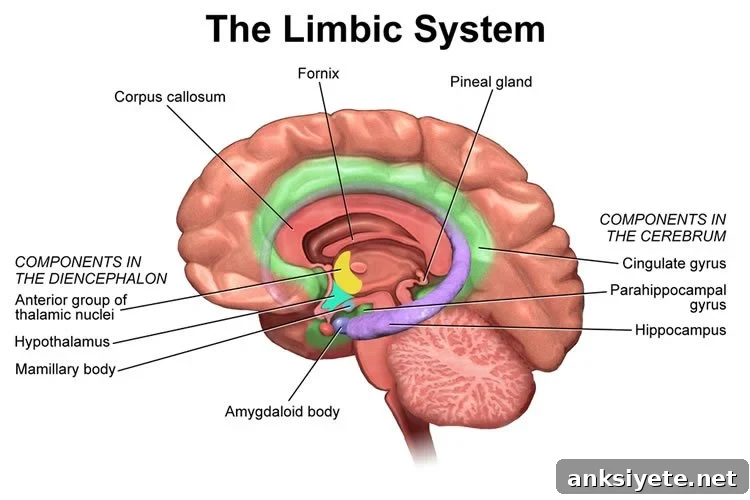
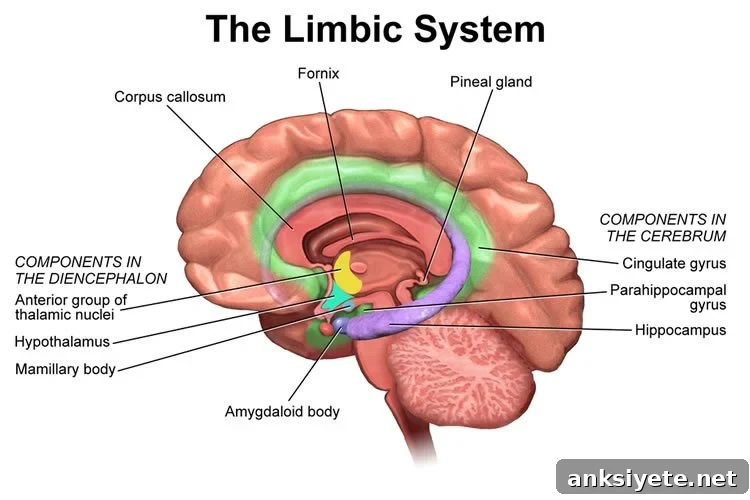
In the brain, circuits that encode pleasure and reward are often overactive in addiction. But in this study, researchers used molecular neuroimaging to detect a compensatory change in the metabotropic glutamate receptor subtype 5 (mGluR5). mGluR5 is widely distributed throughout the central and peripheral nervous systems and has been implicated in the development of strong craving and relapse in several addictive disorders. Imaging results suggest that, in certain regions of the cerebral cortex and limbic system, the brains of recently recovered alcohol-dependent individuals show significantly reduced availability of mGluR5 receptors, a change that may dampen craving signals.
“Alcohol addiction is a complex, chronic brain disorder associated with enormous physical, social and financial consequences worldwide, and yet current therapies remain unsatisfactory,” said Koen Van Laere, MD, PhD, University Hospital Gasthuisberg, Leuven, Belgium. The research team reported for the first time measurable changes in receptor availability in alcohol-dependent human subjects, supporting the idea that neurochemical adaptations during recovery can influence craving and relapse risk.
Methods combined positron emission tomography (PET) with computed tomography (CT) using the radiotracer F-18 FPEB, which selectively binds mGluR5 receptors. The study enrolled 16 recently sober individuals (ages 32 to 57) and 32 healthy control participants with no history of alcoholism. Each participant underwent quantitative PET/CT scanning to measure mGluR5 binding across brain regions. Researchers also collected detailed drinking histories and performed hair analyses to corroborate patterns of alcohol use.
Quantitative analysis revealed a consistent, statistically significant reduction in mGluR5 availability in alcohol-dependent subjects in several key limbic and cortical areas: the bilateral cingulate cortex, the caudate nucleus, and the insular cortex. These differences held true regardless of age, sex, or smoking status, indicating a robust association between recent alcohol dependence and reduced mGluR5 binding in networks implicated in craving, emotional processing, and decision-making.
Gil Leurquin-Sterk, MD, first author of the study, emphasized the clinical implications: “Collectively, these findings strongly substantiate the development of mGluR5-targeted therapies that heal or protect against the dysfunctional brain circuitry that characterizes alcohol addiction.” By detecting which individuals exhibit this compensatory reduction in receptor availability, clinicians could better predict relapse risk and consider receptor-directed pharmacological strategies for patients who do not naturally develop this neuro-adaptation.
Implications for treatment and future research
This line of research supports a precision medicine approach to addiction: using molecular imaging biomarkers to stratify patients by neurobiological risk and to guide targeted interventions. If further studies confirm that lower mGluR5 availability helps suppress cravings and contributes to sustained sobriety, drugs that modulate mGluR5 signaling could become a focused strategy for relapse prevention. Equally, PET/CT imaging with mGluR5 tracers could serve as an objective tool to monitor recovery-related brain changes and to evaluate the efficacy of new treatments across clinical trials.
About this research summary
Source: Laurie Callahan – SNM
Image source: The limbic system image is credited to BruceBlaus (CC BY 3.0).
Presentation: The original study was presented at SNMMI’s 63rd Annual Meeting, June 11–15, 2016, San Diego.
This research adds to a growing body of evidence that neuroimaging can reveal specific receptor-level changes associated with addiction and recovery. Continued work with larger samples and longitudinal designs will be important to determine how persistent these mGluR5 changes are over time and whether they directly predict long-term outcomes in people recovering from alcohol use disorder.