
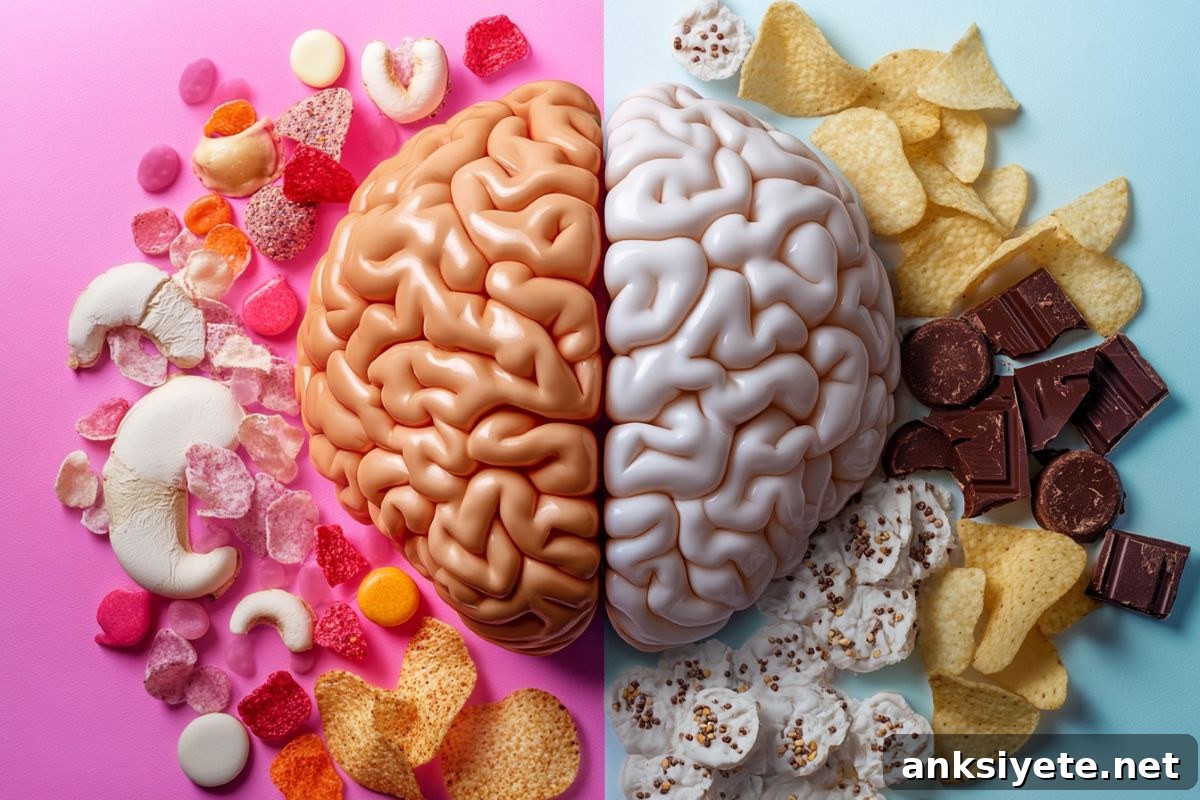
Summary: A new study shows that eating calorie-dense, highly processed foods for only five days can reduce the brain’s sensitivity to insulin—a key factor linked to obesity and type 2 diabetes. Even in otherwise healthy adults, brief periods of poor diet changed brain function in ways that resemble the insulin resistance typically found in people living with obesity.
Magnetic resonance imaging (MRI) scans revealed that this reduced brain insulin sensitivity can persist at least one week after participants returned to their usual diets. These results indicate that the brain responds quickly to dietary changes, a response that may promote long-term weight gain and increase the risk of metabolic disease.
Key Facts
- Rapid brain adaptation: Five days of high-calorie, processed snacks lowered insulin responsiveness in the brain.
- Persistent impact: Reduced brain insulin sensitivity remained detectable one week after resuming a normal diet.
- Link to obesity and diabetes: The pattern of brain insulin resistance mirrors changes commonly seen in people with obesity and type 2 diabetes.
Source: DZD
Rising obesity rates present major challenges for affected individuals, healthcare systems, and treatment providers.
Insulin is a central hormone in metabolic regulation and plays a crucial role in the development of obesity. Increasing evidence connects impaired insulin signalling in the brain to metabolic dysregulation and neurodegenerative processes. A collaborative study by University Hospital Tübingen, the German Center for Diabetes Research (DZD), and Helmholtz Munich adds important new data on how short-term overeating affects brain insulin action.
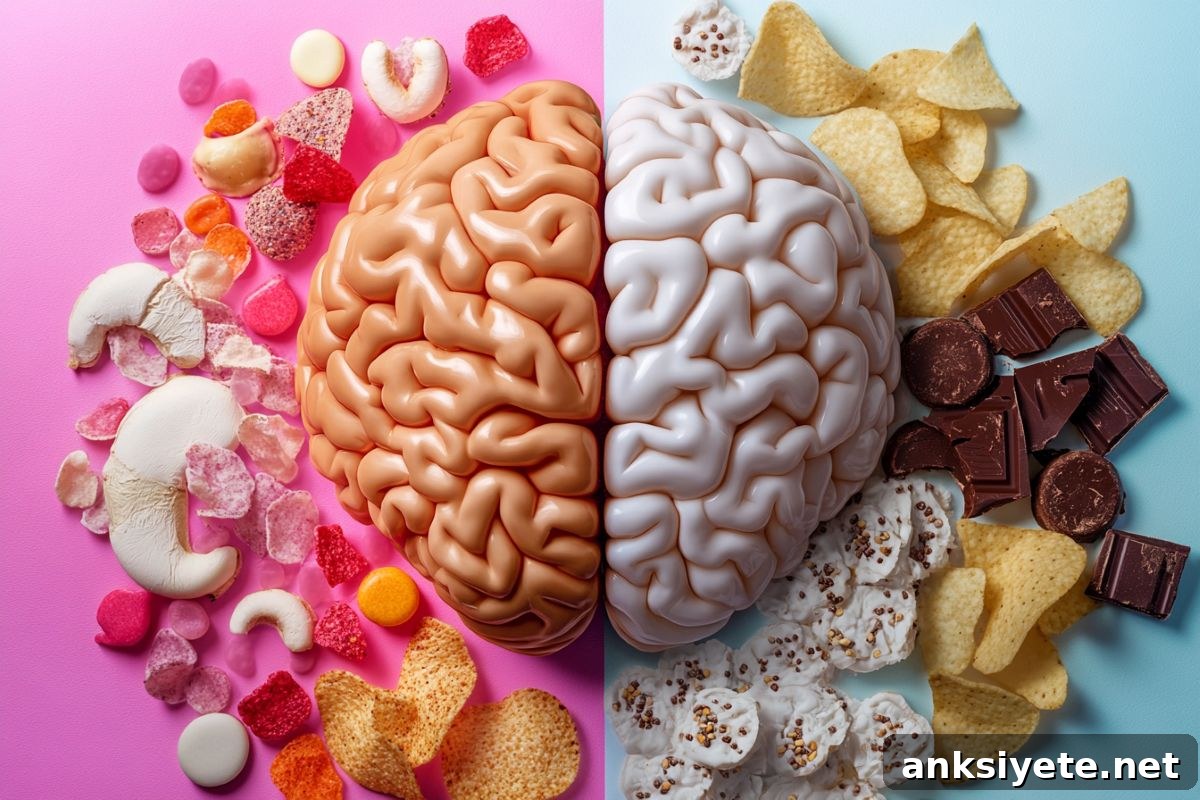
The study explores how brief dietary excess—specifically calorie-rich, highly processed snacks—affects the brain’s capacity to respond to insulin and how this may contribute to early stages of metabolic disease. Despite growing recognition of obesity as a disease in some countries and clear evidence that unhealthy body weight increases the risk of diabetes, cardiovascular disease, and some cancers, the biological mechanisms that drive obesity are multifaceted and not fully understood.
A body mass index (BMI) of 30 or more classifies a person as obese, and while poor diet and lack of activity are major contributors, brain-level responses to diet are increasingly recognized as important factors in the progression of weight gain and metabolic illness.
Obesity and the role of insulin in the brain
Insulin normally helps regulate appetite and energy balance through brain signalling. When the brain becomes less sensitive to insulin—a condition known as brain insulin resistance—this regulatory effect weakens, which can promote overeating and weight gain. The study led by Prof. Dr. Stephanie Kullmann at the Tübingen University Hospital examined how short-term dietary excess alters these brain mechanisms in people of normal weight.
“Our results show that even a very brief period of consuming processed, high-calorie foods—such as chocolate bars and potato chips—can meaningfully change brain function in healthy individuals,” says Prof. Kullmann. “These alterations resemble the impaired brain insulin action we see in people with obesity and may represent an early step toward type 2 diabetes.”
In healthy individuals, insulin in the brain reduces appetite and supports metabolic control. When this effect is blunted, eating behaviour and body-fat distribution can shift in ways that favour weight gain and metabolic risk. Importantly, the study found that the brain’s decreased sensitivity to insulin may persist beyond the immediate period of overeating.
Focus on the brain
Prof. Dr. Andreas Birkenfeld, Medical Director of Internal Medicine IV and director at the Institute for Diabetes Research and Metabolic Diseases (IDM), emphasizes the significance of the findings: “We believe the brain adapts its insulin response quickly in reaction to short-term dietary changes, potentially before visible weight gain occurs. This adaptation may accelerate the development of obesity and related diseases.”
The authors call for additional research to clarify how brain insulin signalling interacts with diet and other risk factors to trigger long-term metabolic dysfunction.
Short period with far-reaching effects
Twenty-nine healthy, average-weight male volunteers took part in the trial and were randomly assigned to two groups. For five consecutive days, one group added 1,500 kilocalories per day of processed, energy-dense snacks to their regular diets; the control group did not consume these extra calories.
Participants underwent an initial evaluation and two follow-up assessments: one immediately after the five-day dietary intervention and another seven days after the intervention group had returned to their normal diets. Researchers used MRI to measure liver fat content and to assess the brain’s response to insulin.
After five days of excess calories, the intervention group showed a marked increase in liver fat. At the same time, MRI measures indicated a significant reduction in brain insulin sensitivity compared with the control group. Notably, the decreased brain insulin responsiveness persisted one week after the participants resumed their regular diets—an effect previously observed mainly in people with obesity.
About this diet and obesity research news
Author: Katrin Weber
Source: DZD
Contact: Katrin Weber – DZD
Image credit: Neuroscience News
Original Research (open access): “A short-term, high-caloric diet has prolonged effects on brain insulin action in men” by Stephanie Kullmann et al., published in Nature Metabolism. DOI: 10.1038/s42255-025-01226-9
Abstract
A short-term, high-caloric diet has prolonged effects on brain insulin action in men
Brain insulin responsiveness is associated with long-term weight gain and unhealthy body fat distribution. This study demonstrates that short-term overeating of calorie-rich, sweet, and fatty foods triggers accumulation of liver fat and impairs brain insulin action in healthy-weight men. These changes outlast the period of overconsumption, suggesting that rapid adaptations of brain insulin signalling to diet may precede weight gain and facilitate the development of obesity and related metabolic disorders.