
Researchers at Aalto University and the University of Turku have identified a clear association between obesity and altered opioid neurotransmission in the human brain.
Study overview
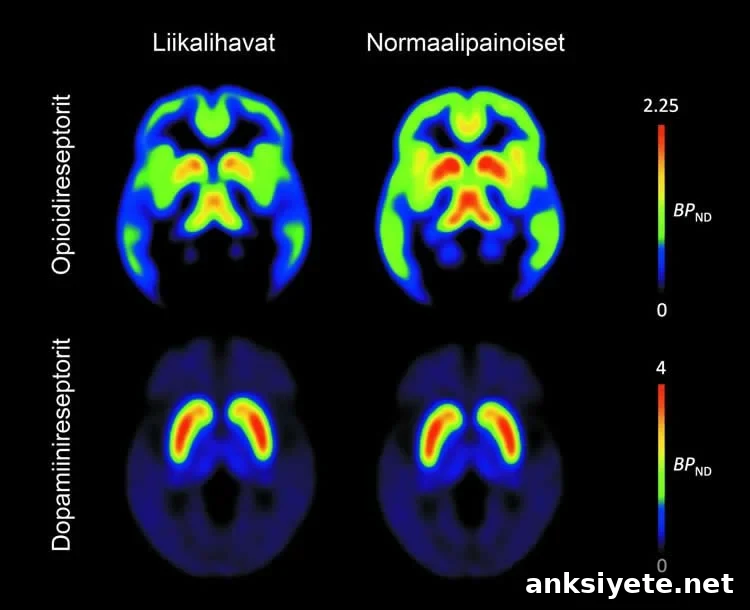
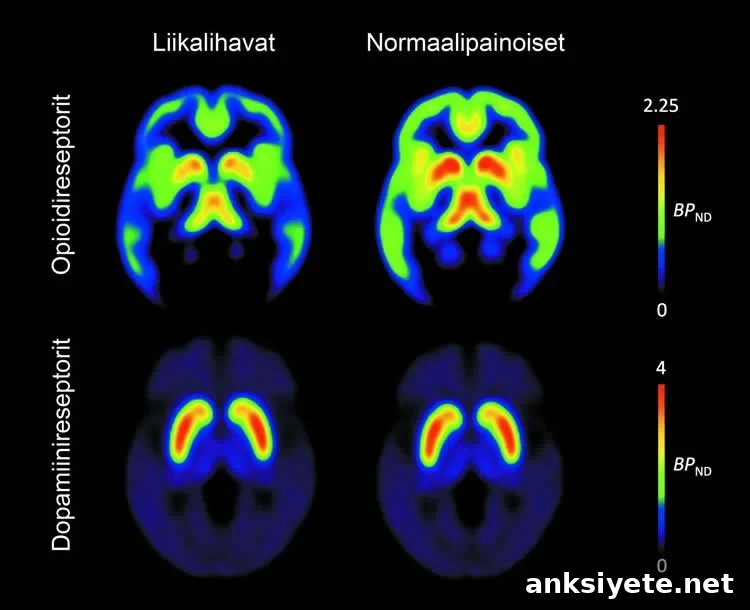
New neuroimaging research shows that obesity is linked with changes in the brain’s opioid system, a key network involved in producing pleasurable and hedonic sensations related to food. The study found a marked reduction in mu-opioid receptor availability among obese individuals, while the dopamine D2 receptor system—often implicated in motivation and reward-seeking—appeared unchanged. These findings emerge from positron emission tomography (PET) scans conducted at the Turku PET Centre and provide molecular-level evidence of how obesity relates to specific neurotransmitter systems in the brain.
Key findings
The principal discovery is that obese participants showed significantly lower availability of mu-opioid receptors across brain regions implicated in reward and hedonic experience. In contrast, no measurable differences were observed in the availability of dopamine D2-type receptors between obese and normal-weight participants. This distinction suggests that altered hedonic signaling through the opioid system, rather than changes in motivational dopamine signaling, may be especially relevant to overeating and the development or maintenance of obesity.
Methods and measurements
Researchers measured mu-opioid receptor and dopamine D2 receptor availability using PET imaging in groups of normal-weight and obese adults. PET allows for the quantification of specific receptor availability in vivo, offering a direct view of molecular differences in living human brains. The study controlled for common confounders and focused on receptor availability as a proxy for the functional state of these neurotransmitter systems, rather than indirect behavioral measures alone.
Interpretation and limitations
These results indicate a selective alteration of the brain’s opioid system in obesity. One plausible interpretation is that reduced mu-opioid receptor availability could lead to blunted hedonic responses to food; individuals with fewer functional opioid receptors might eat more to chase the same level of pleasure. However, the cross-sectional design means causality cannot be established: it remains unclear whether receptor changes precede and contribute to weight gain, or whether long-term obesity and related metabolic changes cause downregulation of opioid receptors.
Implications for treatment and prevention
Understanding that the opioid system is altered in obesity opens potential avenues for targeted interventions. Behavioral strategies could be refined to address hedonic drivers of overeating, while pharmacological approaches might explore selective modulation of the opioid system to restore balanced reward signaling. Still, translation to treatment requires careful research to avoid unintended effects, since the opioid system is involved in many aspects of emotion, pain and reward.
The research received funding from the Academy of Finland, the Sigrid Jusélius Foundation and The Finnish Diabetes Research Foundation. The study was published online on March 4, 2015 in the Journal of Neuroscience under the title “Obesity Is Associated with Decreased μ-Opioid But Unaltered Dopamine D2 Receptor Availability in the Brain.” Authors include Henry K. Karlsson, Lauri Tuominen, Jetro J. Tuulari, Jussi Hirvonen, Riitta Parkkola, Semi Helin, Paulina Salminen, Pirjo Nuutila and Lauri Nummenmaa. DOI: 10.1523/JNEUROSCI.4744-14.2015.
Contact: Lauri Nummenmaa, Aalto University
Source: Aalto University press release
Image credit: Aalto University (adapted from the press release)
Obesity remains a major global health challenge linked to type 2 diabetes, coronary heart disease, stroke and other conditions. This study contributes to a growing body of evidence that brain chemistry and receptor availability are important factors to consider when investigating the biological underpinnings of overeating and weight regulation. Future longitudinal and interventional studies will be necessary to determine causal relationships and to test potential therapeutic strategies that target the opioid system in obesity.