
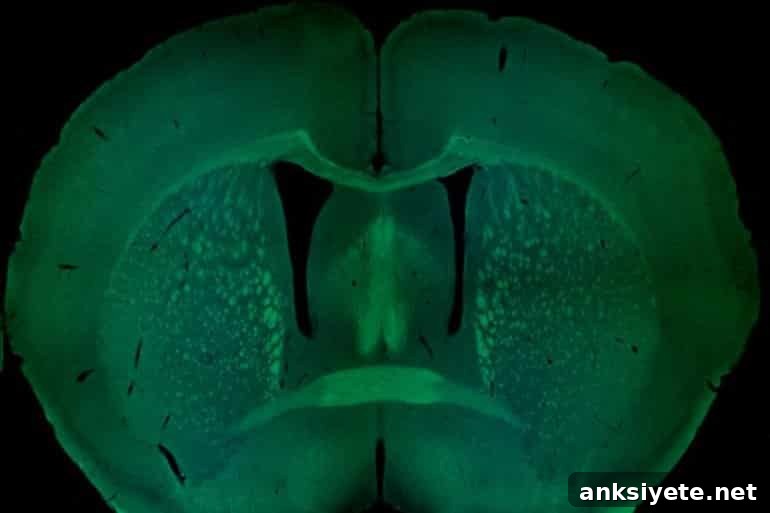
Summary: Mouse study finds females carrying an EPHB2 gene mutation show greater vulnerability to autism-related traits.
Source: Medical University of South Carolina
Researchers at the Medical University of South Carolina (MUSC) examined a database of gene mutations found in children with autism spectrum disorder (ASD) and focused on a single, damaging mutation identified in a girl with ASD. Their experiments showed the mutation disrupts the gene’s function, and that mice with only one working copy of this gene exhibit autism-associated behaviors—particularly female mice, which displayed stronger behavioral and neural changes than males.
EPHB2 is a gene that plays a role in forming and organizing synaptic connections in the brain. In the human case that prompted this study, the patient carried a version of EPHB2 that produced an abnormally shortened protein. As described by the investigators, the mutation is like inserting a period in the middle of a sentence: the truncated protein cannot perform its normal role, leaving the individual with less functional EPHB2 protein than typically expected.
To test whether reduced EPHB2 function can cause autism-like traits, the MUSC team generated mice that retained only one functional copy of the gene. These heterozygous mice developed behavioral features that mirror several aspects of ASD, including repetitive behaviors, increased activity levels, and impairments in learning and memory. The researchers also detected alterations in how brain cells functioned, supporting the idea that the mutation affects neural circuitry underlying behavior.
Because the original human case involved a female child, the investigators analyzed male and female mice separately. This sex-based analysis revealed a striking difference: female mice with the single functional copy of EPHB2 displayed more pronounced behavioral deficits and greater neural dysfunction than male mice with the same genetic change. These findings indicate an interaction between genetic mutation and biological sex that modifies autism-related outcomes.
Autism affects about one in 54 children, and diagnoses occur more frequently in boys than girls—roughly four boys for every girl. Individuals with ASD commonly experience challenges in social communication and interaction and often show restricted or repetitive patterns of behavior and interests. Many also have associated conditions such as attention deficits, hyperactivity, epilepsy, or a wide range of cognitive abilities. While studies suggest that 80 to 90 percent of autism risk is genetic, this work provides a clear example of how a specific gene change and sex together can influence neurodevelopment.
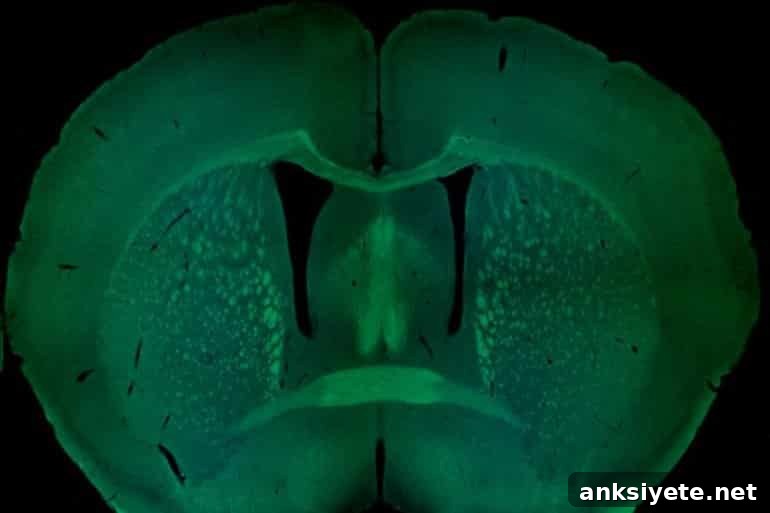
Historically, autism research has often focused on male subjects because the condition has been diagnosed more frequently in boys. The MUSC study underscores the importance of including both sexes in preclinical and clinical research and of analyzing sex-specific effects. Understanding how genetic variants influence males and females differently could be crucial for accurately assessing risk and for designing targeted therapeutic approaches.
The MUSC team was led by Christopher Cowan, Ph.D., William E. Murray SmartState Endowed Chair in Neuroscience and chair of the Department of Neuroscience, together with Ahlem Assali, Ph.D., research assistant professor in the same department. Their results were published in Nature Neuropsychopharmacology, and they emphasize that sex differences in response to genetic mutations may point the way toward future personalized interventions.
Looking ahead, Cowan and Assali plan to investigate the biological mechanisms through which EPHB2 influences brain development and why its dysfunction disproportionately affects females in this model. They will explore how developmental processes and hormonal differences might interact with EPHB2 function to change neural circuit formation and behavior. The ultimate goal is to deepen understanding of how genetics and biological sex intersect in autism, with the long-term aim of informing personalized, sex-aware strategies for treatment.
About this genetics and autism research news
Source: Medical University of South Carolina
Contact: Heather Woolwine – Medical University of South Carolina
Image: The image is credited to Dr. Ahlem Assali, Medical University of South Carolina
Original Research: The study appears in Nature Neuropsychopharmacology