
An international research team has identified a previously unknown neurodegenerative disorder and traced its origin to a single mutation carried by an individual born in what is now Turkey during the Ottoman Empire roughly 16 generations ago.
Researchers discovered the genetic cause while performing a large-scale analysis of the genomes of thousands of Turkish children who were referred for unexplained neurological disorders. Through careful comparison of whole-exome and genome sequencing data, the investigators pinpointed a mutation in the CLP1 gene that appears to underlie a severe, recessive neurodegenerative condition.
“The more we learn about the basic mechanisms behind rare forms of neurodegeneration, the more novel insights we can gain into more common diseases such as Alzheimer’s or Lou Gehrig’s disease,” said Murat Gunel, Nixdorff-German Professor of Neurosurgery and professor of genetics and neurobiology at Yale, a senior co-author on one of the published studies.
Two complementary papers published together in the April 24 issue of the journal Cell document the devastating effects of the same CLP1 mutation. Researchers from the Yale Center for Mendelian Genomics, Joseph Gleeson’s group at the University of California–San Diego, and collaborators including the Frank Baas group in the Netherlands compared DNA sequence results from more than 2,000 children from different families with neurodevelopmental disorders. In four apparently unrelated families they found the exact same mutation in CLP1. Functional studies showed that CLP1 mutations disrupt steps required to move genetic information into cells’ protein-making machinery, interfering with tRNA processing and maturation—processes important for normal neuronal function.
The finding of an identical mutation in seemingly unrelated families—most of whom trace their origins to eastern Turkey—suggested a founder effect: a single ancestral mutation that has been passed down across multiple generations. Population history and family structures in the region helped the team investigate how this rare variant became visible across separate pedigrees.
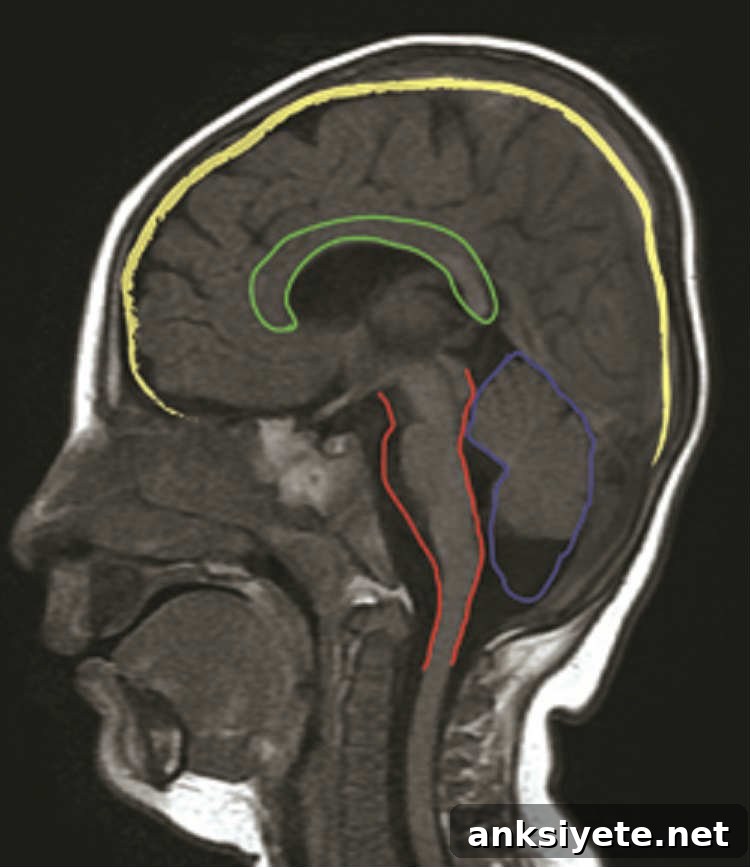
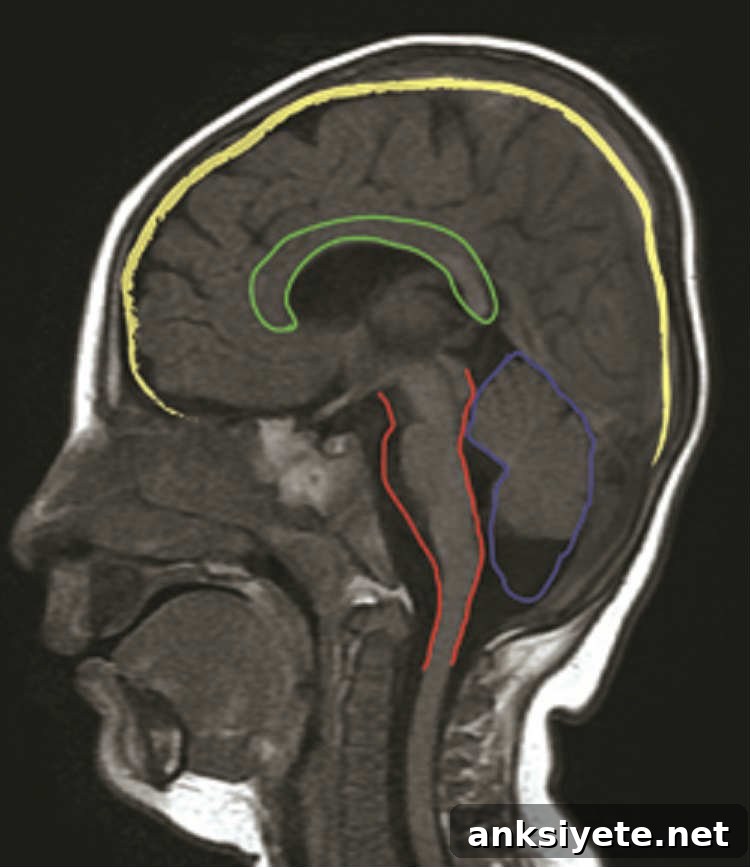
Children affected by the CLP1 founder mutation show profound neurological impairment. Clinical features include intellectual disability, seizures, and severely delayed or absent motor and cognitive development. Brain imaging consistently demonstrates atrophy involving the cerebral cortex, cerebellum, and brainstem, reflecting broad degeneration of both central and peripheral nervous system structures in these patients.
A second Cell paper, led by researchers from Baylor College of Medicine and collaborative teams in Austria and elsewhere, independently identified the same founder CLP1 mutation in an additional 11 affected children from five more families originally from eastern Turkey. Together the two reports strengthen the evidence that a single ancestral CLP1 mutation causes a distinct, recessive neurodegenerative syndrome with characteristic clinical and imaging features.
Gunel and colleagues emphasize that the relatively high frequency of consanguineous marriages in parts of Turkey and the Middle East increases the likelihood that rare recessive disorders will appear. When parents are closely related—for example, first cousins—there is a higher chance that each parent will carry the same disease-causing variant, and their children can inherit two copies, one from each parent. Without parental consanguinity, the chance of inheriting identical recessive mutations from both parents is much lower.
“By dissecting the genetic basis of these neurodevelopmental disorders, we are gaining fundamental insight into the physiological mechanisms that guide human brain development and function,” Gunel said. “Studying how and why these systems fail gives us important clues about normal biology.”
Research funding and acknowledgements
Funding for the Yale-led study was provided by the National Human Genome Research Institute and the Gregory M. Kiez and Mehmet Kutman Foundation. The work represents a multi-center collaboration across genetics, neuroscience, and clinical teams.
Contact: Bill Hathaway – Yale
Source: Yale press release
Image Source: The image is adapted from the Yale press release. Credit: Yale.
Key publications (Cell, published online April 24, 2014)
Schaffer AE, Eggens VRC, Caglayan AO, et al. “CLP1 Founder Mutation Links tRNA Splicing and Maturation to Cerebellar Development and Neurodegeneration.” Cell. Published online April 24, 2014. doi:10.1016/j.cell.2014.03.049.
Karaca E, Weitzer S, Pehlivan D, et al. “Human CLP1 Mutations Alter tRNA Biogenesis, Affecting Both Peripheral and Central Nervous System Function.” Cell. Published online April 24, 2014. doi:10.1016/j.cell.2014.02.058.