
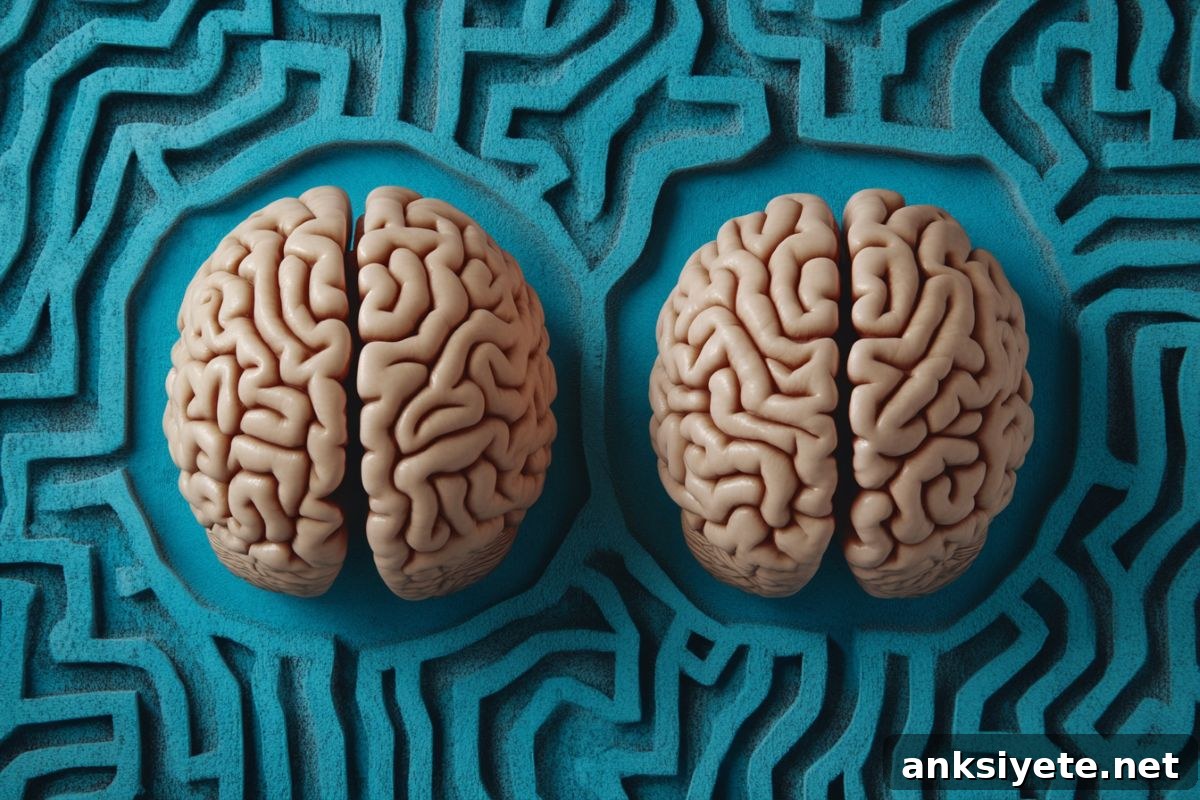
Summary: Researchers have mapped how specific brain circuits process empathy, demonstrating that observing another’s pain engages many of the same neural pathways as experiencing pain yourself. Using advanced imaging in mice, the team identified neurons in the anterior cingulate cortex (ACC) that respond both to personal pain and to observed pain, and they traced a critical ACC-to-periaqueductal gray (PAG) pathway that converts perceived distress into defensive behaviors like freezing and avoidance.
This work clarifies how affective components of pain are represented in the brain and how those representations drive social responses. The findings shed light on the neural basis of affective empathy and may guide future approaches to conditions with altered social or emotional processing, such as autism spectrum disorder, schizophrenia, and post-traumatic stress disorder (PTSD).
Key Facts:
- Shared neural activation: Neurons in the ACC respond similarly when an individual experiences pain and when the same individual observes another in pain.
- Specific empathy circuit: A pathway from the ACC to the periaqueductal gray (PAG) selectively carries affective pain signals related to observed distress.
- Behavioral impact: Disrupting the ACC-to-PAG connection reduces empathic freezing and avoidance, confirming the pathway’s role in converting perceived pain into behavior.
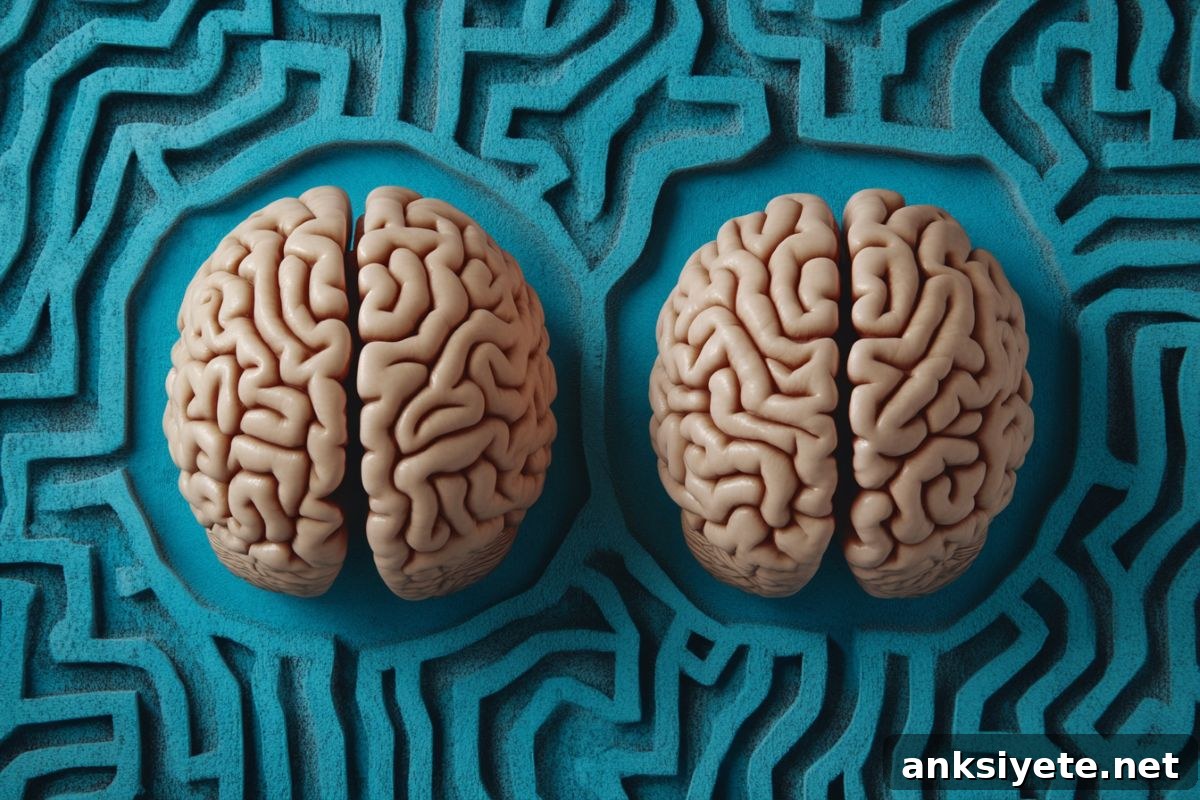
A team led by Dr. Keum Sehoon at the Center for Cognition and Sociality (CCS), Institute for Basic Science (IBS) in South Korea used miniature endoscopic calcium imaging to observe neural activity in real time. By tracking individual neurons in the ACC of mice, they discovered neural ensembles that encode empathic freezing—the instinctive immobility an observer exhibits when witnessing another animal in distress.
In carefully controlled experiments, naïve observer mice—animals with no prior painful experiences—watched another mouse receive mild foot shocks. The imaging revealed that some ACC neurons activated both when the observer experienced pain and when the observer witnessed another mouse in pain. This overlap supports the idea of affect sharing: the observer’s brain represents others’ distress in a way that resembles the representation of its own emotional pain.
Analyses showed that ACC population activity during empathic freezing aligns more closely with affective aspects of direct pain than with sensory aspects. In other words, the ACC activity patterns associated with observing pain reflect emotional, not purely sensory, representations of pain.
To determine how ACC activity drives behavior, the researchers examined projections from the ACC to other brain regions. They found that ACC neurons projecting to the PAG—a region involved in pain modulation and defensive responses—selectively transmitted affective pain signals. Using optogenetic techniques to manipulate this circuit, the team demonstrated causal effects: silencing the ACC-to-PAG pathway reduced both empathic freezing and pain-avoidance behaviors, indicating this projection transforms perceived distress into adaptive behavioral responses.
Importantly, because the observers were pain-naïve, the study isolates emotional contagion—the direct emotional response to another’s distress—from learned or recalled pain experiences. This design strengthens the conclusion that the ACC and its projections encode shared affective states that prompt social defensive behaviors.
Understanding these circuit-level mechanisms has relevance for mental health research. Disorders that impair social or emotional processing—such as autism spectrum disorder, antisocial personality disorder, PTSD, and schizophrenia—may involve disruptions in the kinds of neural representations and pathways described here. Identifying the ACC ensembles and the ACC-to-PAG circuit involved in affect sharing could help guide the development of targeted interventions or biomarkers for empathy-related dysfunction.
Dr. Keum commented that these findings “pinpoint the specific brain circuits involved in processing others’ pain emotionally,” providing a foundation for further research into empathy-related neuropsychiatric disorders and potential therapeutic strategies.
About this empathy and neuroscience research news
Author: William Suh
Source: Institute for Basic Science
Contact: William Suh, Institute for Basic Science
Image: Credit to Neuroscience News
Original Research: Open access. “Cortical representations of affective pain shape empathic fear in male mice” by KEUM Sehoon et al., published in Nature Communications.
Abstract
Cortical representations of affective pain shape empathic fear in male mice
Affect sharing—the capacity to vicariously feel another’s emotions—is a core component of empathy. Yet the neural substrates that encode another’s distress and support shared affective experiences are not fully understood. Using miniature endoscopic calcium imaging, the authors identify distinct, dynamic neural ensembles in the anterior cingulate cortex (ACC) that represent observational fear across excitatory and inhibitory populations in male mice. Population dynamics associated with vicarious freezing are conserved among ACC pyramidal neurons and correspond specifically to affective, rather than sensory, responses to direct pain. Circuit-specific imaging and optogenetic manipulation reveal that ACC neurons projecting to the periaqueductal gray (PAG), but not to the basolateral amygdala (BLA), selectively convey affective pain signals and regulate observational fear. Together, these results emphasize the ACC’s role in encoding affective pain representations that shape empathic freezing behavior.