Therapeutics that target the neural pathway linking the amygdala and the nucleus accumbens may offer new treatment strategies for addiction and other neuropsychiatric disorders.
Researchers at the University of North Carolina at Chapel Hill have used genetic tools and laser-based stimulation to alter specific brain circuits that control reward-seeking behavior. Working in rodent models, the team directly manipulated the connections between two brain regions long associated with motivation and reward, demonstrating for the first time that those precise connections can drive or block behavior.
Published online on June 29, 2011 in the journal Nature, the study applies optogenetics — a method that combines genetic targeting of light-sensitive proteins with rapid, localized laser stimulation — to probe how microcircuits in the brain shape actions. By selectively turning particular neural pathways on or off with millisecond precision, the researchers were able to observe how changing communication between the amygdala and the nucleus accumbens affected mice’s responses to cues and rewards.
“We have known that many clinical disorders involve particular brain regions, but until recently we lacked tools to study the connections between those regions directly,” said Garret D. Stuber, PhD, assistant professor in the departments of cell and molecular physiology, psychiatry, and the Neuroscience Center at the UNC School of Medicine and senior author of the study. “Being able to manipulate neural circuits with this level of specificity should help identify molecular and cellular processes that are altered in neuropsychiatric illnesses.”
The brain is densely packed with diverse regions, cell types, and interconnecting fibers, making it difficult to determine which elements are responsible for particular behaviors. Conventional approaches such as electrical stimulation or systemic drugs affect many cells and pathways at once and cannot distinguish the contribution of a single connection. Optogenetics overcomes those limits by introducing opsins — light-sensitive proteins originally found in algae and bacteria — into targeted neurons, then using light to control those neurons’ activity precisely.
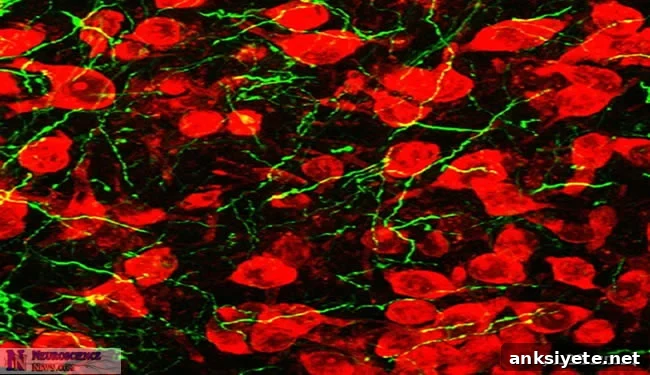
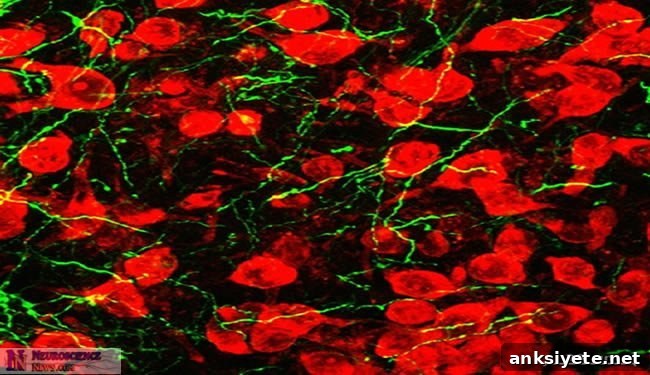
In the UNC experiments, researchers first focused on neurons that transmit signals from the amygdala to the nucleus accumbens. They genetically expressed an excitatory opsin in those projecting fibers and implanted an optical fiber to deliver light. When mice received laser pulses contingent on a simple action — poking their nose into a hole — those mice rapidly learned to perform the action to obtain the stimulation. Mice without the light-sensitive modification did not learn the nosepoke behavior, indicating that activation of that specific pathway is reinforcing.
To test whether the same circuit influences natural reward-driven behavior, the team trained mice to associate a light cue with a small sugar water reward. For this experiment they used an inhibitory opsin that suppresses neural activity when illuminated. Delivering light at the moment of the cue effectively silenced the amygdala-to-nucleus-accumbens pathway in the genetically modified mice, while control animals experienced the cue without neural inhibition. Control animals promptly began anticipating the reward by licking the sugar dispenser, but the mice whose pathway was inhibited showed a markedly blunted anticipatory response.
These complementary experiments demonstrate both sufficiency and necessity: activating the pathway is sufficient to reinforce an action, and inhibiting it diminishes normal conditioned responding. The results point to the amygdala–nucleus accumbens connection as a critical conduit for assigning motivational value to stimuli and for driving reward-seeking behaviors.
Stuber and colleagues are now investigating how changes in this specific piece of brain wiring can produce heightened sensitivity to rewards in some animals and reduced responsiveness in others. The approach offers a valuable experimental platform for dissecting basic brain function and mapping the circuits underlying psychiatric symptoms. It may also inform the development of new treatments that more selectively target dysfunctional pathways than current pharmacological or electrical stimulation therapies.
For example, deep brain stimulation — which chronically delivers electrical pulses through implanted electrodes — is used in some late-stage Parkinson’s patients to relieve motor symptoms. Stuber notes that implanting optical fibers for targeted light-based modulation would be a technically comparable procedure, but significant research and development remain before optogenetic strategies could be translated into human clinical use.
Notes about this optogenetics research article
The research received funding from NARSAD: The Brain & Behavior Research Fund; ABMRF/The Foundation for Alcohol Research; The Foundation of Hope; and the National Institute on Drug Abuse (a component of the NIH).
Co-authors from Stuber’s laboratory at UNC include Dennis R. Sparta, PhD, postdoctoral fellow, and Alice M. Stamatakis, graduate student.
Contact: Les Lang – UNC Health Care
Source: UNC Health Care press release
Image Source: Neuroscience News image adapted from UNC Health Care press release image from Stuber Lab.