
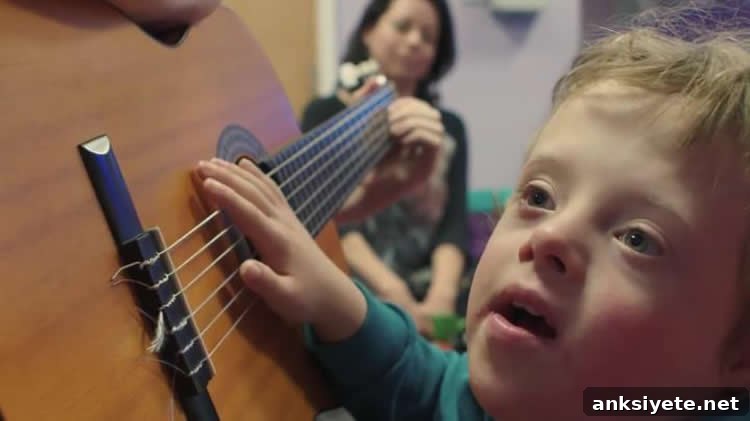
Summary: Researchers find that carefully designed music sessions can play a vital role in improving the lives of people whose speech is limited by conditions such as autism, brain injury, stroke, dementia and learning disabilities.
Source: University of Plymouth.
Tailored music sessions could transform life and communication for millions whose speech is affected by neurological or developmental conditions, a new study indicates.
Researchers say structured, person-centred music activities can reduce isolation, strengthen relationships, and create new ways for people to express themselves when words are difficult or no longer available. The study highlights the need for more consistent funding and for health and community services to adopt a joined-up approach to using music as a therapeutic and social resource, particularly for those affected by stroke and dementia.
The findings come from Beyond Words, a research partnership led by the University of Plymouth and Plymouth Music Zone (PMZ) and supported by Arts Council England’s Research Grants programme. The project focused on people described by the research team as “post-verbal” — individuals for whom spoken language is limited, lost or unreliable — and explored how music-based sessions can support communication, identity and wellbeing.
This is the first study to centre on the relationship between post-verbal status and music, and among the earliest to examine how musical activity can produce broadly positive outcomes across diverse health-related circumstances rather than targeting a single diagnostic group.
Professor Jocey Quinn of the University of Plymouth led the research, which combined interviews, focus groups, arts workshops and detailed observation of PMZ’s regular community sessions. Her team found that music can function as a powerful, non-verbal channel: it enables people to communicate emotions, express creativity, and reconnect with parts of themselves that may seem diminished by illness or injury.
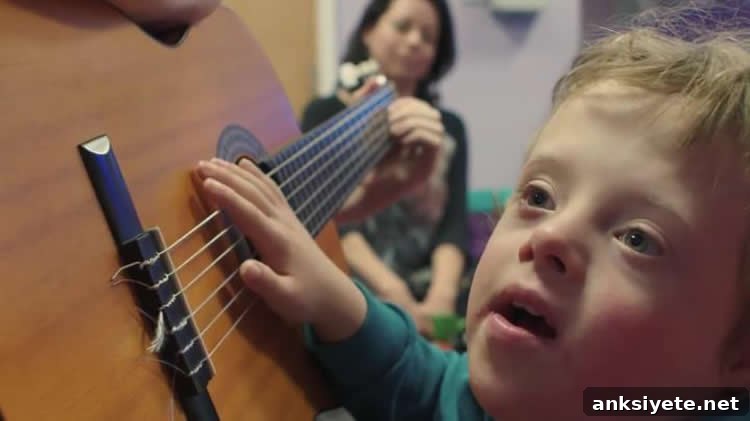
“Music gives people a voice when words are limited,” Professor Quinn said. “For children who cannot rely on speech, music reveals potential and allows families and carers to respond to that potential. For people with dementia, familiar songs and musical interaction can revive aspects of identity that families feared had gone. This work is relevant not to a small niche but to millions of people who currently lack consistent, appropriate services. It points toward practical ways to restore hope and meaningful social connection.”
Plymouth Music Zone, an award-winning charity and the study’s community partner, has long used music to promote inclusion and social change. Debbie Geraghty, PMZ’s Executive Director, described how the research illuminated the wider effects of music beyond individual participants: “The study highlights how deeply music affects people’s lives, and how those effects spread through families and communities. Our staff and volunteers opened our doors to researchers because we believe everyone should be included and valued. The insights from participants have taught us more about connection, kindness and care than we expected.”
The research team included research assistant Claudia Blandon, who spent 16 months observing PMZ sessions and tracking the lives of 25 regular participants in centre-based and outreach settings such as care homes. MPZ’s Training and Research Manager and Music Leader, Anna Batson, contributed specialist musical knowledge to the analysis.
Beyond Words combined qualitative evidence from 44 family members, 30 arts workshops with post-verbal participants, and four focus groups with music leaders and volunteers. Together these methods captured the richness of participants’ everyday lives, documented how music-based sessions were delivered, and identified practical ways that provision could be strengthened and expanded.
The final report is being shared with policymakers, health and social care organisations, charities and community providers to encourage the development of sustainable, evidence-based music programmes. Some of the research findings have already been presented at conferences in the UK, Poland and the United States, with the aim of informing international practice and policy.
Phil Gibby, Area Director for the South West at Arts Council England, welcomed the study’s contribution to understanding the social value of arts and culture. He noted that the Research Grants programme aims to build rigorous knowledge about how cultural activities affect individual lives and society, and said the findings provide robust evidence of the wide-ranging benefits that arts-based approaches can deliver.
About this research
Funding: This project was supported by Arts Council England.
Source: Alan Williams — University of Plymouth.