
Repurposing an arthritis drug reversed toxic tau and rescued memory in a dementia model
Researchers at the Gladstone Institutes report that salsalate, a long-used prescription drug for rheumatoid arthritis, reversed tau-driven dysfunction in an animal model of frontotemporal dementia (FTD). In their study, salsalate blocked a damaging chemical modification of the tau protein, reduced toxic tau accumulation in the brain, protected neurons, and restored memory performance on multiple behavioral tests.
The team identified acetylation of tau — the addition of acetyl groups to specific lysine residues — as a particularly harmful modification that impairs tau clearance and promotes neurodegeneration. Their findings, published in Nature Medicine, show that the acetylated form of tau drives toxicity and cognitive decline, while inhibiting that acetylation enhances tau turnover and prevents brain atrophy in regions critical for memory.
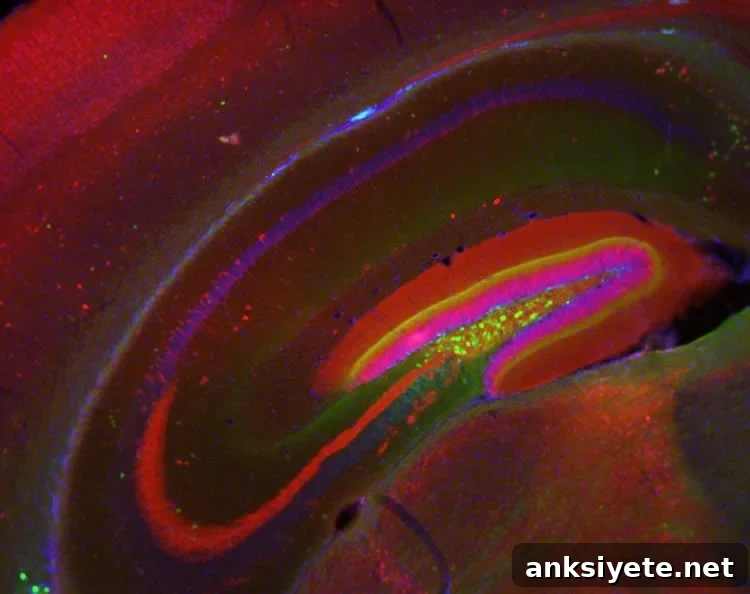
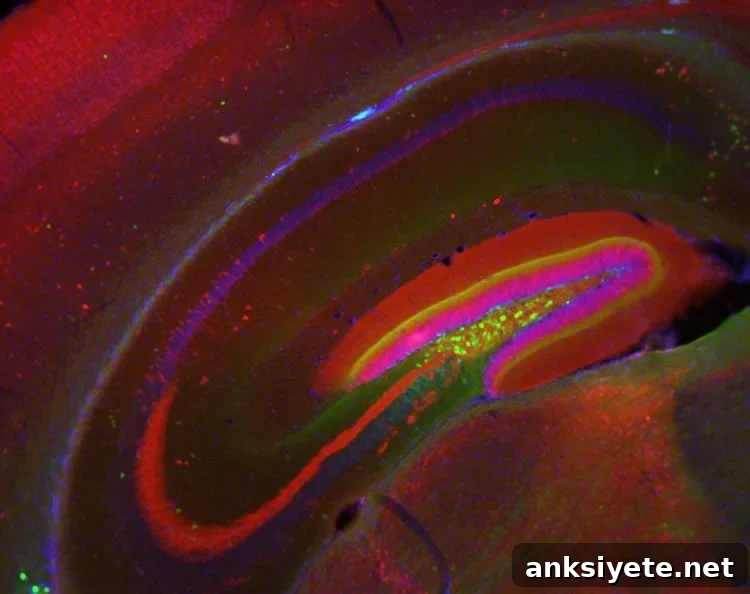
Salsalate works by inhibiting the acetyltransferase enzyme p300, which is elevated in Alzheimer’s disease and catalyzes tau acetylation. In PS19 transgenic mice, a model of FTD, treatment with salsalate after disease onset reduced p300 activity, lowered total tau and tau acetylated at lysine 174 (K174), rescued memory deficits, and prevented hippocampal shrinkage. These benefits were associated with increased tau degradation rather than simply blocking aggregation.
Importantly, the protective effects were demonstrated even when salsalate was administered after symptoms began, suggesting potential clinical relevance for patients already showing cognitive decline. The investigators emphasize that targeting tau acetylation represents a promising therapeutic strategy across tauopathies, including Alzheimer’s disease and FTD.
“We identified a pharmacological approach that reverses key aspects of tau toxicity,” said co-senior author Li Gan, PhD, associate investigator at the Gladstone Institutes. Co-senior author Eric Verdin, MD, added that, because salsalate is an approved drug with an established safety record, these results have immediate translational potential and could speed clinical testing against human tauopathies.
The study builds on analysis of human post-mortem Alzheimer’s brains, where tau acetylation at K174 was observed as an early marker of pathology, appearing before the formation of classic tau tangles. In cellular and mouse models, researchers showed that a mutation that mimics acetylation at K174 slows tau turnover and produces cognitive deficits. Conversely, salsalate and its metabolite salicylate reduced p300 activity, enhanced tau clearance, and lowered both total and acetylated tau levels.
These molecular effects translated into meaningful outcomes in vivo: treated mice showed preserved hippocampal volume and improved performance on memory tests, supporting the idea that reducing tau acetylation can directly prevent neuronal loss and cognitive decline. The benefits were less pronounced in neurons expressing an acetylation-mimicking tau mutant, supporting the causal role of K174 acetylation in driving pathology.
Co-first authors on the paper are Sang-Won Min, PhD, and Xu Chen, PhD. Other Gladstone investigators contributing to the work include Tara Tracy, Yaqiao Li, Yungui Zhou, Chao Wang, Kotaro Shirakawa, S. Sakura Minami, Peter Dongmin Sohn, Jeffrey Johnson, and Nevan Krogan. The study also involved collaborators at Stanford University, University of California San Francisco, the Buck Institute for Research on Aging, and University of California San Diego. Funding was provided by the Tau Consortium and the National Institutes of Health.
A clinical trial testing salsalate to lower tau in progressive supranuclear palsy, another tau-mediated neurodegenerative condition, has already been initiated, reflecting growing interest in repurposing therapies that target tau acetylation.
Abstract
Critical role of acetylation in tau-mediated neurodegeneration and cognitive deficits
Tauopathies such as frontotemporal dementia (FTD) and Alzheimer’s disease (AD) feature accumulation of tau fibrils, yet soluble tau species appear to be the major toxic entities. How soluble tau accumulates and causes neurodegeneration is not fully understood. This study identifies tau acetylation at lysine 174 (K174) as an early alteration in AD brains and a critical determinant of tau homeostasis and toxicity in mice. An acetyl-mimicking mutant (K174Q) slows tau turnover and induces cognitive deficits in vivo. Acetyltransferase p300-mediated tau acetylation is blocked by salsalate and salicylate, which enhance tau turnover and reduce tau levels. In the PS19 transgenic mouse model of FTD, administering salsalate after disease onset inhibited p300 activity, lowered total tau and tau acetylated at K174, rescued tau-dependent memory deficits, and prevented hippocampal atrophy. The tau-lowering and neuroprotective effects of salsalate were reduced in neurons expressing K174Q tau. These results indicate that targeting tau acetylation may be a viable therapeutic strategy for human tauopathies.
Source: Dana Smith, Gladstone Institutes. Original research: “Critical role of acetylation in tau-mediated neurodegeneration and cognitive deficits,” published in Nature Medicine (study authors include Sang-Won Min, Xu Chen, Tara E. Tracy, Yaqiao Li, Yungui Zhou, Chao Wang, Kotaro Shirakawa, S. Sakura Minami, Erwin Defensor, Sue Ann Mok, Peter Dongmin Sohn, Birgit Schilling, Xin Cong, Lisa Ellerby, Bradford W. Gibson, Jeffrey Johnson, Nevan Krogan, Mehrdad Shamloo, Jason Gestwicki, Eliezer Masliah, Eric Verdin, and Li Gan).