
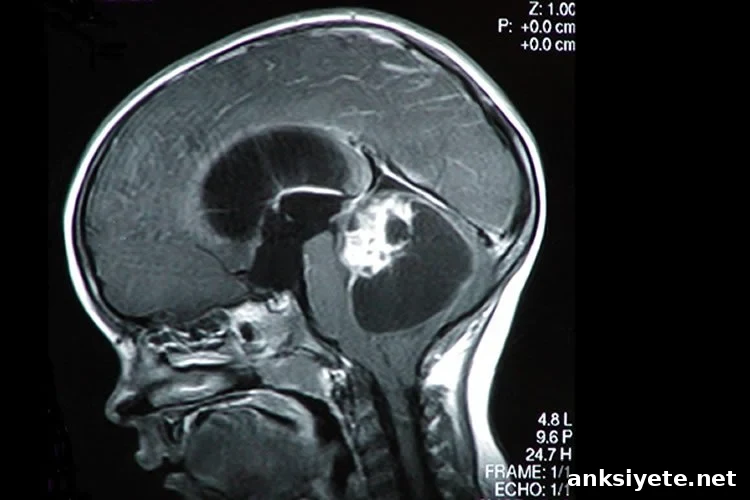
Summary: A new study reports on the benefits of precision medicine for treating pediatric brain cancer.
Source: Harvard
Precision medicine—tailoring diagnosis and treatment to the genetic features of each tumor—can significantly improve care for children with brain tumors, according to a new study by investigators at Dana-Farber/Boston Children’s Cancer and Blood Disorders Center.
“Although survival for many childhood cancers has improved over the past 30 years, gains in pediatric brain cancer have been less pronounced,” says co-lead author Pratiti Bandopadhayay of Dana-Farber/Boston Children’s, who is also an instructor in pediatrics at Harvard Medical School.
Bandopadhayay notes that brain tumors remain a leading cause of cancer-related death in children and that conventional treatments can lead to long-term cognitive and physical side effects. The new research demonstrates that clinical genomic testing of pediatric brain tumors is feasible and often produces information that can influence diagnosis and guide treatment decisions.
In the largest clinical study to date assessing genetic abnormalities in childhood brain tumors, researchers analyzed more than 200 tumor samples across all major pediatric brain tumor subtypes. The team used two complementary clinical genomic tests: a targeted exome sequencing panel called OncoPanel, which screens roughly 300 cancer-related genes for mutations and structural changes; and OncoCopy, a genome-wide array that profiles copy number changes—gains or losses of gene copies within tumor cells. A subset of 60 samples received both tests to evaluate the added value of combining approaches.
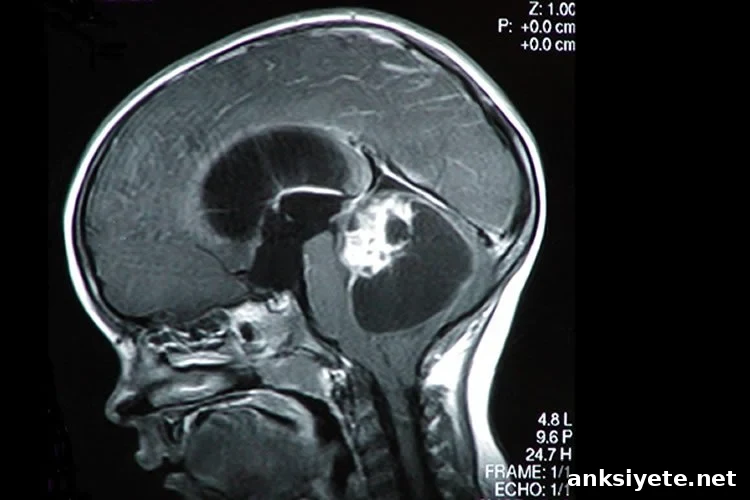
Testing with OncoPanel found clinically relevant genetic alterations in 56 percent of tested tumors—changes that could affect diagnosis or be matched to drugs already in use or being evaluated in clinical trials. Many of the targeted agents considered have the ability to penetrate the blood–brain barrier, an important consideration for treating brain tumors.
Key findings
- Alterations in the BRAF gene were among the most common actionable changes detected. BRAF mutations and rearrangements are known targets for several emerging therapies.
- Combining OncoPanel and OncoCopy dramatically improved detection of clinically informative alterations in some tumor types. For medulloblastomas—about one-fifth of pediatric brain tumors—the two-test approach identified subgroup-specific, clinically relevant abnormalities in 89 percent of cases.
Study co-senior author Susan Chi of Dana-Farber/Boston Children’s and an assistant professor of pediatrics at Harvard Medical School emphasizes the growing role of genomics in tumor classification. “The World Health Organization now classifies many brain tumors by their genetic alterations rather than solely by traditional histology,” Chi says. “Targeted therapies work best when they are matched to specific abnormalities. Our results show that precision medicine for pediatric brain tumors is now practical and actionable.”
The study profiled 203 pediatric brain tumors across histologic subtypes: 117 were analyzed with OncoPanel, 146 with OncoCopy, and 60 with both methods. OncoPanel identified 44 cancer-related single-nucleotide variants and 20 structural rearrangements that were clinically relevant. Rearrangements detected included alterations involving MYB–QKI, MYBL1, BRAF, and FGFR1. Copy number profiles varied by tumor histology, and the combined genomic approach enhanced detection of subgroup-specific diagnostic and therapeutic markers—especially in medulloblastoma.
The research was led by co-lead authors Pratiti Bandopadhayay, Shakti Ramkissoon, Jaeho Hwang, and Lori Ramkissoon. Co-senior authors include Susan Chi, Rameen Beroukhim, and Keith Ligon, with contributions from multidisciplinary teams at Dana-Farber/Boston Children’s, Brigham and Women’s Hospital, the Broad Institute, and Harvard Medical School.
Clinical targeted exome-based sequencing combined with genome-wide copy number profiling: precision medicine analysis of 203 pediatric brain tumors
Background. Clinical genomic platforms are necessary to detect targetable alterations in tumors, but standardized implementation in pediatric oncology is still developing.
Methods. As part of an institution-wide clinical research initiative, investigators used OncoPanel, a targeted exome-sequencing platform covering 300 cancer-related genes, to detect single nucleotide variants and structural rearrangements. Alterations were annotated by clinical significance. OncoCopy, a genome-wide array comparative genomic hybridization assay, was used to evaluate copy number changes and clarify rearrangement breakpoints.
Results. Among 203 pediatric brain tumors profiled, OncoPanel detected clinically relevant alterations in 56 percent of samples. The combined use of OncoPanel and OncoCopy identified subgroup-specific alterations in 89 percent of medulloblastoma cases, demonstrating added diagnostic and therapeutic value when both assays are applied.
Conclusion. Using complementary multiplex genomic assays—targeted exome sequencing together with genome-wide copy number profiling—can identify important diagnostic, prognostic, and treatment-relevant alterations, supporting precision medicine as an effective clinical approach for pediatric brain tumors.
Image credit: NeuroscienceNews.com image credited to Google Images and adapted from the Harvard press release.
Published research: Clinical targeted exome-based sequencing in combination with genome-wide copy number profiling: precision medicine analysis of 203 pediatric brain tumors, published online January 2017 in Neuro-Oncology.