
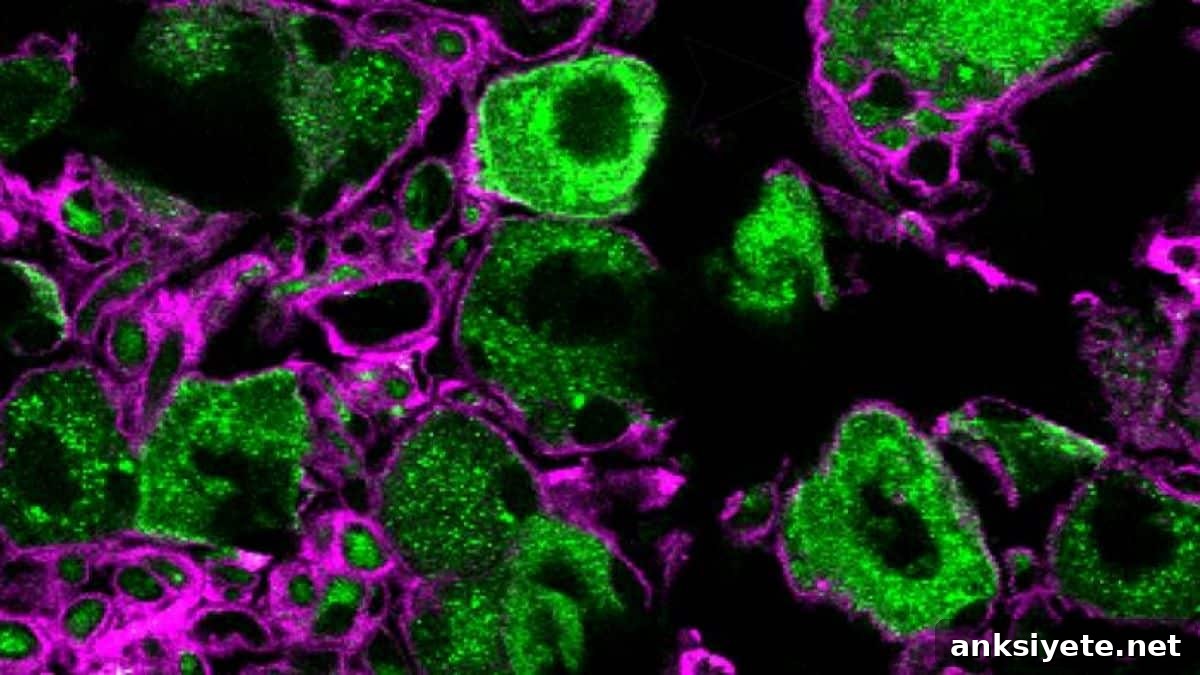
Summary: Researchers have identified neuropilin-1 (NRP1) as a previously unrecognized co-receptor that amplifies pain signaling driven by nerve growth factor (NGF). Although NRP1 does not transmit signals in the same way as classic receptors, it enhances NGF-mediated pain by concentrating NGF at the cell surface and guiding the signaling receptor TrkA to the plasma membrane and signaling endosomes.
The study demonstrates that blocking NRP1 or disrupting its interaction with NGF reduces pain signaling in cellular and animal models. Using molecular modeling and cellular experiments, the team mapped a multi-protein complex—composed of NGF, TrkA and NRP1, and scaffolded by GIPC1—that promotes sustained nociceptor activation. These discoveries point to peptide-based and receptor-targeted strategies that could provide safer, non-opioid options for chronic and inflammatory pain management.
Key Facts:
- New pain target: Neuropilin-1 (NRP1) acts as a co-receptor that is necessary for NGF to produce robust pain signaling through TrkA.
- Therapeutic potential: Inhibiting NRP1 with monoclonal antibodies or peptides that block NGF–NRP1 interaction shows promise as a more targeted approach to pain relief.
- Chronic pain mechanism: NRP1, NGF and TrkA assemble into a complex with the adaptor GIPC1, which helps traffic the signaling complex into the cell and may contribute to prolonged pain states.
Source: NYU
Researchers at the NYU Pain Research Center report a new role for neuropilin-1 in NGF-dependent pain signaling in a study published in the Journal of Clinical Investigation.
These results offer a promising avenue for treating arthritis and other forms of inflammatory or cancer-related pain while avoiding side effects that halted prior NGF-targeting therapies in clinical trials.
“NGF is one of the few pain targets validated by patients,” said Nigel Bunnett, professor and chair of the Department of Molecular Pathobiology at NYU College of Dentistry and the senior author of the study. “Our goal was to find ways to preserve the pain-relieving benefits of blocking NGF while avoiding the adverse outcomes that prevented previous therapies from reaching patients.”
NGF is a protein that promotes neuron growth and survival. It is also released by injured or diseased tissues and powerfully drives pain by binding to the signaling receptor tropomyosin receptor kinase A (TrkA). Monoclonal antibodies that sequester NGF have reduced osteoarthritis pain in clinical trials, but some patients developed worsening joint damage, which limited approval of those treatments.
How a non-signaling receptor regulates pain signals
Using mouse and human nociceptors, the investigators discovered that neuropilin-1 (NRP1) is expressed in the same neurons as TrkA and binds NGF with high affinity. Unlike TrkA, NRP1 is not known to initiate intracellular signaling on its own; instead, it functions as a co-receptor that enhances NGF–TrkA signaling through at least two mechanisms.
First, NRP1 increases the local presentation of NGF to TrkA at the cell surface, effectively concentrating the ligand where the signaling receptor can engage it. Second, NRP1 acts as a molecular chaperone: it interacts with TrkA and facilitates trafficking of TrkA from intracellular compartments to the plasma membrane, raising the amount of signaling receptor available to detect NGF.
When the team blocked NRP1 in human and mouse neurons, NGF-induced excitation was suppressed. Conversely, overexpressing NRP1 enhanced NGF/TrkA signaling. Molecular modeling supports a structural arrangement in which two molecules each of NGF, TrkA and NRP1 assemble into a 2:2:2 signaling complex at the plasma membrane.
The researchers also identified G Alpha Interacting Protein C-terminus 1 (GIPC1) as a key adaptor that links NRP1 and TrkA to myosin VI-dependent trafficking pathways. GIPC1 colocalizes with NRP1 and TrkA in nociceptors, and knocking down GIPC1 abolished NGF-evoked excitation and pain-like behavior in models, suggesting that trafficking into signaling endosomes contributes to sustained nociceptor activation and chronic pain.
A “springboard” for pain treatments
The discovery of NRP1’s role in NGF-mediated pain opens multiple therapeutic strategies. One approach is repurposing existing NRP1 inhibitors, including monoclonal antibodies developed for cancer, to see whether they reduce pain in preclinical models. Because NRP1 is located on the surface of pain-sensing neurons, targeting it directly could provide localized specificity and potentially avoid systemic side effects associated with global NGF sequestration.
The team is also using structural insights to design peptides that interrupt specific interactions within the NGF–TrkA–NRP1 complex. In the reported study, a peptide that blocked NGF binding to NRP1 successfully prevented pain signaling in cellular assays. Such peptide-based antagonists could form the basis of targeted, non-opioid analgesics that stop the signaling complex from assembling.
“These findings give us a blueprint for developing new analgesics that are both specific and potentially safer than systemic NGF antibodies,” Bunnett said.
Additional authors include Chloe Peach (University of Nottingham), Raquel Tonello, Elisa Damo, Renato Bruni, Harsh Bansia, Ana-Maria Manu, Hyunggu Hahn, Alex Thomsen, Brian Schmidt, Steve Davidson, and Amedee des Georges from NYU Pain Research Center; Kimberly Gomez, Aida Calderon-Rivera, and Rajesh Khanna from the University of Florida College of Medicine; and Laura Maile from the University of Cincinnati.
Funding: This research was supported in part by grants from the National Institutes of Health (NS102722, DK118971, DE026806, DE029951, RM1DE033491, GM147088, GM133598, NS098772, NS120663, DA042852, NS134965) and the Department of Defense (W81XWH1810431, W81XWH2210239). Bunnett is a founding scientist of Endosome Therapeutics Inc.; some laboratory research is funded in part by Takeda.
About this pain research news
Author: Rachel Harrison
Source: NYU
Contact: Rachel Harrison – NYU
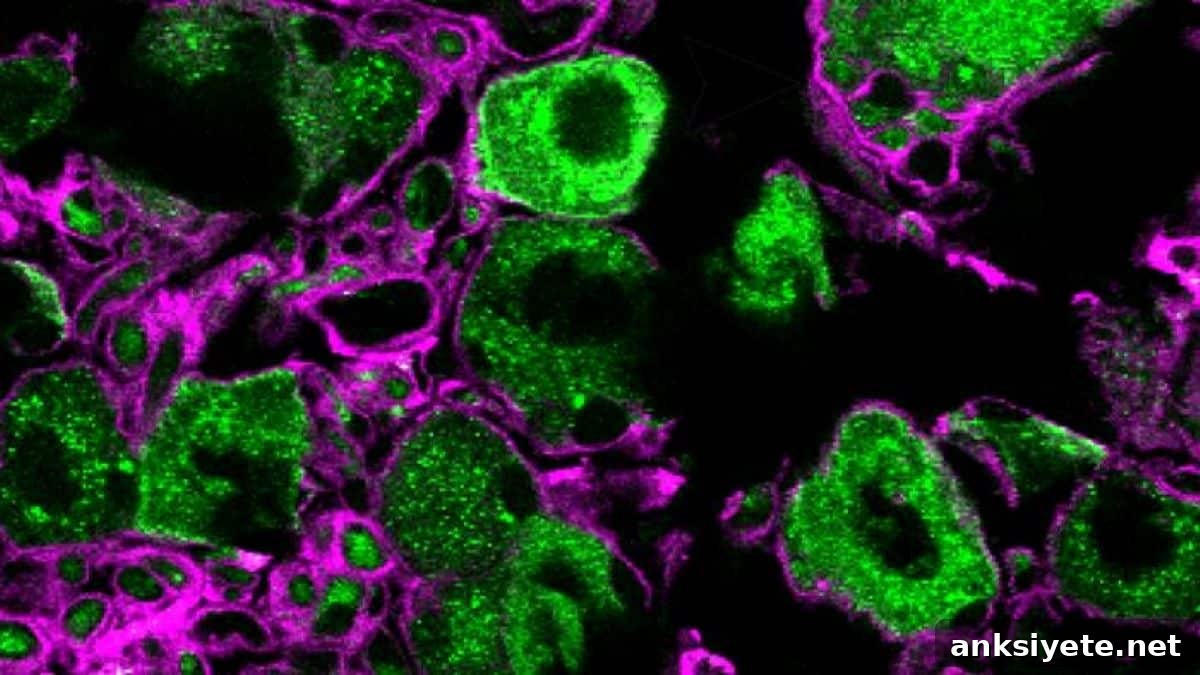
Image: The image is credited to Bunnett Lab
Original Research: Open access. “NEUROPILIN-1 INHIBITION SUPPRESSES NERVE-GROWTH FACTOR SIGNALING AND NOCICEPTION IN PAIN MODELS” by Nigel Bunnett et al. Journal of Clinical Investigation
Abstract
NEUROPILIN-1 INHIBITION SUPPRESSES NERVE-GROWTH FACTOR SIGNALING AND NOCICEPTION IN PAIN MODELS
NGF-targeting monoclonal antibodies can reduce chronic pain but have been limited clinically by adverse joint outcomes in some osteoarthritis patients. This study identifies neuropilin-1 (NRP1) as a nociceptor-enriched co-receptor that facilitates NGF/TrkA pain signaling. NRP1 is coexpressed with TrkA in human and mouse nociceptors, binds NGF with high affinity, and enhances TrkA signaling by increasing ligand presentation and chaperoning TrkA to the plasma membrane and endosomes.
NRP1 inhibitors suppressed NGF-stimulated excitation of human and mouse nociceptors and NGF-evoked nociception in mice. Knockdown of NRP1 reduced NGF/TrkA signaling while NRP1 overexpression amplified it. Molecular modeling supports a 2:2:2 NGF:TrkA:NRP1 complex mediated by a C-terminal NGF motif that engages the NRP1 extracellular domain. The adaptor GIPC1 scaffolds NRP1 and TrkA to myosin VI; GIPC1 knockdown blocked NGF-evoked nociceptor excitation and pain-like behavior.
Together, these findings establish NRP1 and GIPC1 as critical facilitators of NGF/TrkA pain signaling and suggest that antagonizing these components in nociceptors could provide a targeted, non-opioid alternative to systemic NGF sequestration for chronic pain treatment.