NIH-supported research underscores value of screening for toxoplasmosis
Researchers supported by the National Institutes of Health have identified which strains of the parasite Toxoplasma gondii are most strongly linked to premature birth and severe congenital damage in the United States. Using a novel, strain-specific blood test developed at the National Institute of Allergy and Infectious Diseases (NIAID), scientists were able to determine which parasite types infected infants in utero when their mothers acquired acute infections during pregnancy.
Toxoplasma gondii is typically transmitted to humans through contact with cat feces containing infectious stages of the parasite or by eating undercooked meat that harbors tissue cysts. When a woman is infected during pregnancy, the parasite can cross the placenta and cause miscarriage, premature delivery, or lasting harm to a child’s eyes or brain.
“If undetected or untreated, congenital toxoplasmosis can have serious consequences for a child’s quality of life,” said NIAID Director Anthony S. Fauci, M.D. The findings reinforce the potential benefit of routine screening to identify pregnant women who could receive timely treatment to reduce fetal harm.
Traditional blood tests can tell whether someone has ever been infected with Toxoplasma, but they do not distinguish the specific strain responsible for a recent transmission. The experimental assay created by Michael Grigg, Ph.D., and colleagues in NIAID’s Laboratory of Parasitic Diseases measures strain-specific antibodies, allowing researchers to identify whether the infecting parasite belongs to the common European-type lineage (type II) or to other strain groups collectively classified as not exclusively type II (NE-II).
The test was applied to samples collected from mother–child pairs enrolled in the National Collaborative Chicago-Based Congenital Toxoplasmosis Study, a long-term clinical research program that prospectively collected blood and clinical data between 1981 and 2009. Rima McLeod, M.D., of the University of Chicago, who helped establish that study and is the first author of the new report, led the analysis published in Clinical Infectious Diseases.
Worldwide, researchers have identified at least 15 distinct T. gondii strain types. In parts of Europe such as France, type II strains predominate. In contrast, the U.S. data from this multi-decade study show that NE-II strains were more common across the United States during the study period, accounting for about 61 percent of identified infections. NE-II strains were particularly frequent along the Gulf Coast, the Pacific coast and in Hawaii, and were more prevalent among lower-income and rural populations in the study cohort.
Among 183 mother–infant pairs with clear evidence of either type II or NE-II infection, statistical analysis found that NE-II parasites were associated with a higher risk of prematurity and with more severe disease in affected infants. For example, severe eye damage was observed in 67 percent of infants infected with NE-II strains (59 out of 88) compared with 39 percent of those infected with type II strains (18 out of 46). The investigators emphasize that strain type is not the only determinant of outcome—mild, moderate, and severe disease can occur with any strain—but the association indicates an elevated risk tied to NE-II parasites in this dataset.
Grigg noted that while animal models had suggested some strains cause more severe illness in mice, the human data were previously lacking. “Until now, we had not systematically determined whether infected people in the United States had European-type strains or other types, and we also hadn’t determined whether strains found here would have more severe disease symptoms associated with them,” he said.
Importantly, the study also examined outcomes when infected mothers received drug treatment before delivery. In pregnancies where maternal treatment was begun during gestation, the link between NE-II infection and severe disease at birth disappeared. Decades of controlled trials conducted within the collaborative study framework have helped define effective treatment regimens. When congenital infection is diagnosed before or shortly after birth and appropriate therapy is provided, many infants have little or no long-term impairment. The investigators concluded that prompt detection and treatment improve outcomes for infants infected with either type II or NE-II strains, although not every child achieves a completely favorable outcome.
France screens all pregnant women for Toxoplasma infection and offers immediate treatment when acute maternal infection is detected, a practice credited with reducing fetal complications there. In the United States, routine obstetrical screening for Toxoplasma is uncommon. The authors state that their findings support broader screening and treatment efforts to identify pregnant women with recent infection so that timely therapy can reduce the risk of eye and brain damage in newborns.
Notes about this research
Funding: This work was funded by NIH/NIAID under grant number R01AI027530. ClinicalTrials.gov identifier for the Pyrimethamine, Sulfadiazine, and Leucovorin in Treating Patients with Congenital Toxoplasmosis study is NCT00004317.
Contact: Anne A. Oplinger – NIH/National Institute of Allergy and Infectious Diseases
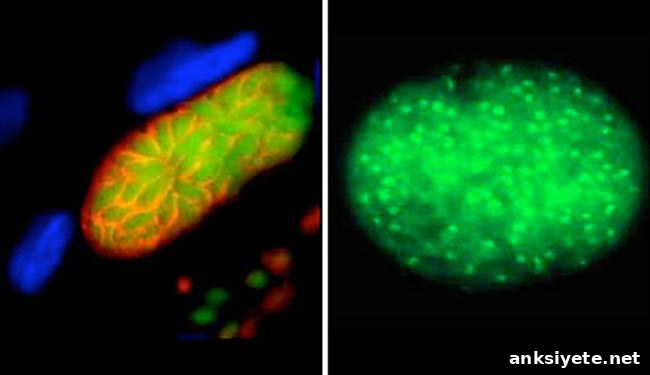
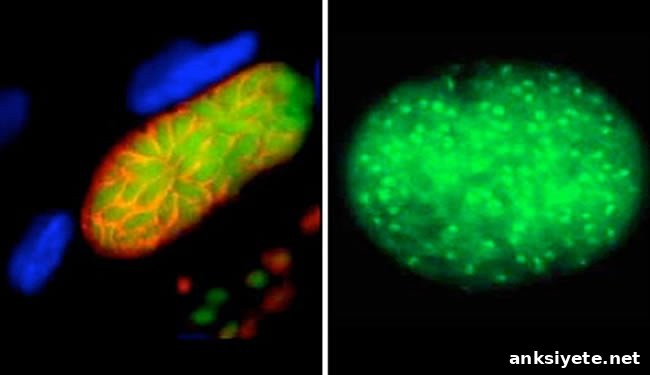
Source: NIH/National Institute of Allergy and Infectious Diseases press release. Image credit: R. McLeod, University of Chicago.
Original research: Abstract for “Prematurity and severity are associated with Toxoplasma gondii alleles (NCCCTS, 1981-2009)” by Rima McLeod et al., Clinical Infectious Diseases (2012). DOI: 10.1093/cid/cis258