
Scientists have found the first direct evidence that a long-suspected biological mechanism can trigger seizures, opening new avenues for treatments and possibly prevention.
Researchers at Cincinnati Children’s Hospital Medical Center report that molecular disruption in a specific population of small neurons—granule cells in the dentate gyrus—can produce seizures in mice that resemble human temporal lobe epilepsy. The dentate gyrus is a region of the hippocampus in the temporal lobe, and temporal lobe epilepsy is one of the most common forms of the disorder.
“Epilepsy is one of those disorders where preventative therapies are largely unavailable, and current treatments after diagnosis often carry significant side effects,” said Steven Danzer, PhD, principal investigator and neuroscientist in the Department of Anesthesia at Cincinnati Children’s. “Identifying which cells and molecular pathways drive seizures lets us pursue therapeutic strategies that are more targeted and potentially less harmful.”
Epilepsy can arise from many causes, including congenital brain-development defects and traumatic brain injuries. The risk of developing epilepsy after injury depends on injury location and severity, and some individuals face particularly high risk.
The study took advantage of genetic tools that allow precise molecular changes in mice to model human disease. The team specifically altered dentate gyrus granule cells (DGCs), one of only two neural populations that continue to be produced in significant numbers after birth (the other being olfactory neurons). Because the dentate gyrus helps regulate excitatory signals to the hippocampus—a center for learning and memory—disruption of its cells can have outsized effects on network excitability.
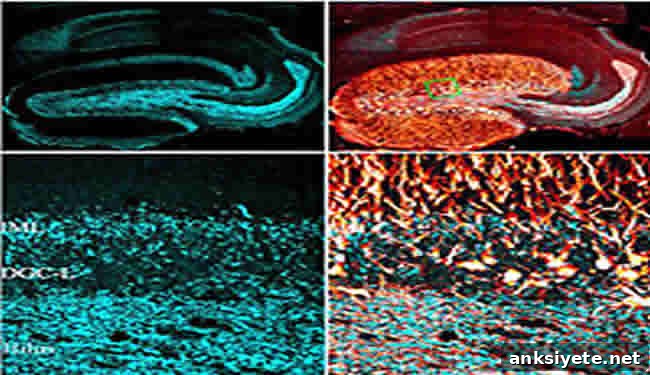
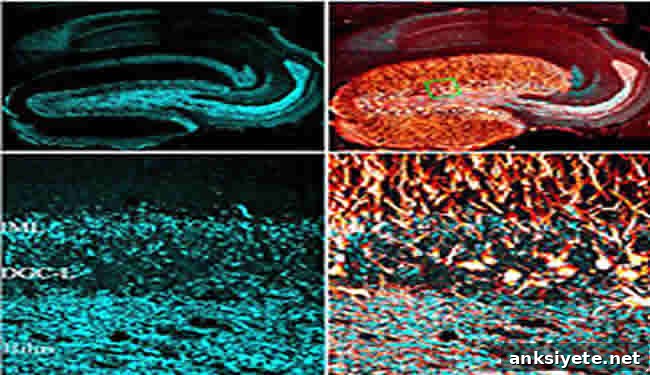
Abnormal DGCs have been observed in epilepsy for decades, but proof they can cause seizures was lacking. The investigators deleted the PTEN gene selectively from DGCs that formed after birth. Loss of PTEN hyper-activated the mTOR pathway (mammalian target of rapamycin), a central regulator of cell growth that, when overactive, is linked to tumors and other disorders.
Hyper-activation of mTOR caused mice to develop abnormal neural circuitry among their DGCs—patterns similar to those seen in human temporal lobe epilepsy—and the mice experienced spontaneous seizures. Notably, these abnormal connections and seizures appeared even when PTEN was removed from fewer than 10 percent of the total DGC population, strengthening the causal link between localized molecular disruption and widespread network dysfunction.
To test whether mTOR activation was responsible for the seizures, the researchers treated affected mice with rapamycin, a drug that blocks the mTOR pathway. Rapamycin stopped the seizures, reinforcing the role of the PTEN–mTOR pathway in this model. Rapamycin and newer mTOR inhibitors have been explored clinically for conditions such as tuberous sclerosis, a disorder that also increases epilepsy risk, and Cincinnati Children’s has experience testing these compounds.
Building on these findings, Danzer and colleagues are pursuing follow-up experiments to determine whether removing abnormal DGCs from mice that already have epilepsy can halt seizures. They are testing a strategy that adds a binding molecule to abnormal DGCs, allowing systemic administration of diphtheria toxin to selectively eliminate those cells. In theory, selectively ablating the aberrant granule cells should reduce or stop seizures; if successful, this would further validate the DGC-centered mechanism and enable laboratory testing of targeted therapeutic approaches for treatment and prevention.
Mutations affecting PTEN and the mTOR pathway have also been implicated in other neurological disorders, including autism and schizophrenia. The present study suggests that even disruption in a relatively small number of postnatally generated granule neurons can have a profound neurological impact, a finding likely to interest researchers studying a range of developmental and neuropsychiatric diseases.
“The dramatic effect of altering this pathway in only a small subset of granule cells suggests the dentate gyrus may be a critical node for mTOR-related mutations across multiple neurological conditions,” Danzer said. “We expect neuroscientists will be surprised by the large-scale functional consequences of granule cell disruption and intrigued by a potentially novel disease mechanism.”
Notes about this research
The first author of the study is Raymond Y.K. Pun, PhD, a researcher in the Department of Anesthesia at Cincinnati Children’s. Funding was provided by the Cincinnati Children’s Research Foundation and the National Institute of Neurological Disorders and Stroke (grants R01NS065020 and R01NS062806).
Contact: Nick Miller – Cincinnati Children’s Hospital Medical Center
Source: Cincinnati Children’s Hospital Medical Center news release
Image Source: Excess excitatory circuits image adapted from the press release illustration associated with the Neuron study.
Original Research: “Excessive Activation of mTOR in Postnatally Generated Granule Cells Is Sufficient to Cause Epilepsy” by Raymund Y.K. Pun et al., Neuron Volume 75, Issue 6, 1022–1034, 20 September 2012.