
New Chromosome 6 Genetic Syndrome Linked to Obesity, Overeating and Behavioural Challenges
Researchers at the University of Manchester have identified a previously unrecognised genetic syndrome that links a small deletion on chromosome 6 with severe obesity, excessive eating (hyperphagia), and a range of developmental, intellectual and behavioural difficulties.
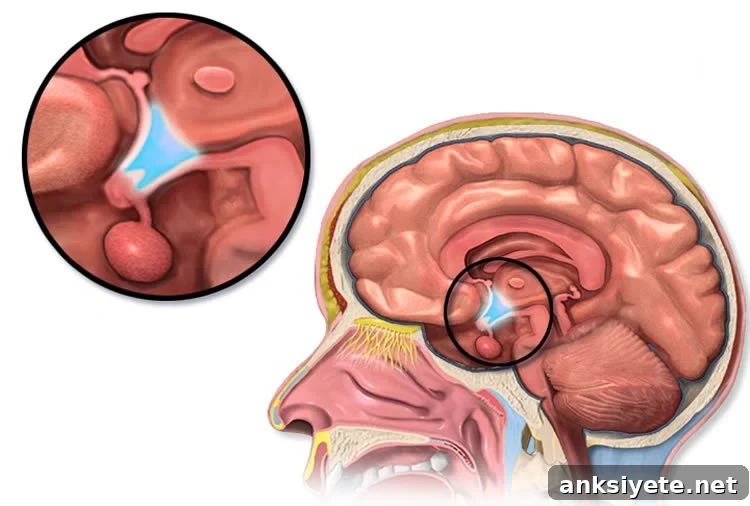
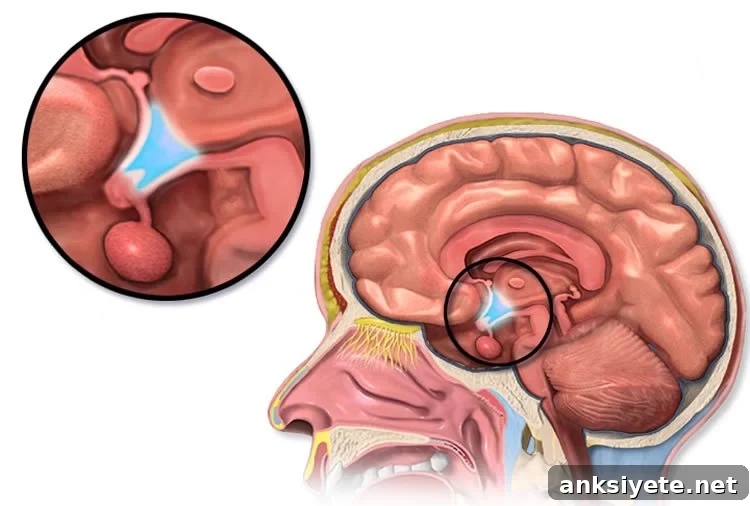
Dr Siddharth Banka, Clinical Senior Lecturer at the Manchester Centre for Genomic Medicine and Consultant Clinical Geneticist at Saint Mary’s Hospital, led the international study. He explained that the team discovered a microdeletion at 6q16.1 that disrupts genes essential for hypothalamic development and function. The hypothalamus is a small but vital brain region that regulates appetite, energy balance, hormone release and many behaviours, which helps explain the combination of physical and neurobehavioural features seen in affected people.
Working in collaboration with Dr Eric Glasgow of Georgetown University Medical Center, the researchers combined detailed genetic analysis of affected families with functional studies in zebrafish models. Those laboratory studies demonstrated that the deletion affects specific hypothalamic neurons responsible for producing the neuropeptide oxytocin. Oxytocin has well-established roles in feeding behaviour, social interaction and emotional regulation, and its disruption can plausibly account for the marked overeating, mood instability and social withdrawal observed in patients.
What the study found
The team studied ten individuals from six unrelated families who carried overlapping deletions at chromosome region 6q16.1. The deletion segregated with the clinical features in families where multiple members were affected, and appeared as a new (de novo) change in several other cases. A critical region of approximately 350 kilobases was identified, and this region includes the POU3F2 gene, which encodes a proneuronal transcription factor that is important for hypothalamic development.
Using zebrafish as an experimental model, the researchers showed that POU3F2 functions downstream of the SIM1 regulatory pathway and influences the expression of oxytocin in the hypothalamic neuroendocrine preoptic area. This conserved molecular pathway links genetic change to altered neural development and hormone expression, providing a mechanistic explanation for the observed combination of obesity, hyperphagia, developmental delay and intellectual disability.
Clinical and research implications
Although still an early-stage discovery, this work is an important advance in understanding the neuroendocrine control of body weight and behaviour. Identifying a specific chromosomal deletion and the involvement of POU3F2 clarifies one route by which hypothalamic development can be disrupted in humans. The findings offer a clearer diagnostic pathway for patients with overlapping features and will inform genetic counselling for affected families.
The researchers caution that therapeutic applications remain speculative at this stage. Nevertheless, the study highlights a conserved biological pathway — from SIM1 to POU3F2 to oxytocin — that could become a focus for future research into targeted interventions for syndromic obesity and related neurodevelopmental conditions.
Source: University of Manchester
Image credit: BruceBlaus (CC BY 3.0)
Original research
Title: Small 6q16.1 Deletions Encompassing POU3F2 Cause Susceptibility to Obesity and Variable Developmental Delay with Intellectual Disability
Authors: Paul R. Kasher, Katherine E. Schertz, Megan Thomas, Adam Jackson, Silvia Annunziata, María J. Ballesta-Martinez, Philippe M. Campeau, Peter E. Clayton, Jennifer L. Eaton, Tiziana Granata, Encarna Guillén-Navarro, Cristina Hernando, Caroline E. Laverriere, Agne Liedén, Olaya Villa-Marcos, Meriel McEntagart, Ann Nordgren, Chiara Pantaleoni, Céline Pebrel-Richard, Catherine Sarret, Francesca L. Sciacca, Ronnie Wright, Bronwyn Kerr, Eric Glasgow, and Siddharth Banka. Published in American Journal of Human Genetics, December 2015. DOI: 10.1016/j.ajhg.2015.12.014
Abstract (summary)
Genetic studies of intellectual disability and monogenic forms of obesity have expanded understanding of brain pathways that control body mass. In this work, overlapping 6q16.1 deletions were associated with a variable syndrome of developmental delay, intellectual disability and susceptibility to obesity with hyperphagia. The identified deletions define a critical ∼350 kb region that includes POU3F2, a gene implicated in hypothalamic development. Functional zebrafish experiments support a model in which POU3F2 acts downstream of SIM1 to regulate oxytocin expression in hypothalamic neuroendocrine neurons, linking genetic alteration to disrupted neuroendocrine control of energy balance. The findings demonstrate evolutionary conservation of this pathway and improve understanding of the molecular mechanisms governing appetite and behaviour.