

 Self-acceptance is one of the greatest gifts you can give yourself.
Unconditional self-acceptance means embracing who you are—strengths and flaws alike—without needing to earn approval.
It allows you to feel and express the full range of emotions without judgment.
Research links unconditional self-acceptance to better psychological wellbeing and a greater sense of life harmony (MacInnes, 2006; Garcia, Nima, & Kjell, 2014).
This article gathers inspiring quotes on self-acceptance, organized into themes such as radical self-acceptance, self-love and growth, and self-esteem, to help you cultivate greater self-compassion in the present moment.
This Article Contains:
- Top 10 Quotes About Self-Acceptance
- 10 Radical Self-Acceptance Quotes
- Inspiring Self-Love & Growth Quotes
- 8 Short Self-Esteem Quotes
- 4 Quote Books About the Power of Self-Love
- The Science of Self-Acceptance Masterclass
- A Take-Home Message
- References
Top 10 Quotes About Self-Acceptance
Generally, self-acceptance is conceptualized as an affirmation or acceptance of self in spite of weaknesses or deficiencies.
Michael Bernard, 2013, p. xiv
[With unconditional self-acceptance]… you always – yes, always – accept and respect yourself, your personhood, your being, whether or not you perform well and whether or not other people approve of you and your behaviors.
Albert Ellis, 2012
To accept ourselves is to accept the fact that what we think, feel, and do are all expressions of the self at the time they occur.
Nathaniel Branden, 2011, p. 59
Continually feeding our need for positive self-evaluation is a bit like stuffing ourselves with candy. We get a brief sugar high, then a crash.
Kristin Neff, 2015, p. 5
The desire for others’ approval and reassurance creates sensitivity to real or imagined signs of rejection.
Jennifer Crocker & Lora Park, 2004, p. 401
We don’t have to wait until we are on our deathbed to realize what a waste of our precious lives it is to carry the belief that something is wrong with us.
Tara Brach, 2004, p. 3
… self-acceptance is truly a heroic act.
Nathaniel Branden, 2011, p. 69
When you learn to accept fear, you cease making a catastrophe of it. Then it ceases to be your master.
Nathaniel Branden, 2011, p. 49
Because true belonging only happens when we present our authentic, imperfect selves to the world, our sense of belonging can never be greater than our level of self-acceptance.
Brené Brown, 2015, p. 146
I bask in the glory of my most magnificent self.
Debbie Ford, 2001, p. 217
These quotes highlight self-acceptance as an unconditional appreciation for ourselves, independent of performance or external approval. Self-acceptance frees us from seeking constant validation, dissolves self-sabotaging beliefs, and, though sometimes difficult, can be deeply liberating. People who practice self-acceptance tend to embrace life more fully and are less governed by fear.
10 Radical Self-Acceptance Quotes
Radical Acceptance is the willingness to experience ourselves and our life as it is. A moment of Radical Acceptance is a moment of genuine freedom.
Tara Brach, 2004, p. 4
I assure you there is a richer, thicker, cozier blanket [than self-acceptance] to carry through the world. There is a realm infinitely more mind-blowing. It’s called radical self-love.
Sonya Renee Taylor, 2018, p. 3
When I accept myself as a fallible human being capable of being liked and disliked, I will be concerned but not anxious if there is a possibility that new people may dislike me.
Windy Dryden, 2003, p. 152
Briefly, unconditional acceptance means liking yourself, others, and the world when you are not getting what you want and in spite of your getting what you don’t want.
Albert Ellis, 2005, p. 160
We do whatever we can to avoid the raw pain of feeling unworthy… we hold back and play it safe rather than risking failure.
Tara Brach, 2004, p. 15
Entangled in the trance of unworthiness, we grow accustomed to caging ourselves in with self-judgment and anxiety, with restlessness and dissatisfaction.
Tara Brach, 2004, p. 25
The most terrifying thing is to accept oneself completely.
Carl Jung, n.d.
Self-forgiveness is a process that enables us to release guilt, while self-acceptance is a process that enables us to process our shame.
Colin Tipping, 2011, p. 82
The more I bathe in the experience of loving and being loved, the more accessible it becomes in daily life.
Tara Brach, 2020, p. 79
The medicine for shame is radical compassion, the loving presence that helps us trust our belonging and essential goodness.
Tara Brach, 2020, p. 78
Radical self-love is deeper and more expansive than mere confidence or contingent esteem. It remains steady regardless of temporary successes or setbacks and supports risk-taking, learning, forgiveness, and a sustained trust in our basic worth.
Download 3 Free Self-Compassion Exercises (PDF)
These science-based exercises can help you and others develop a kinder, more nurturing relationship with the self.
Inspiring Self-Love & Growth Quotes
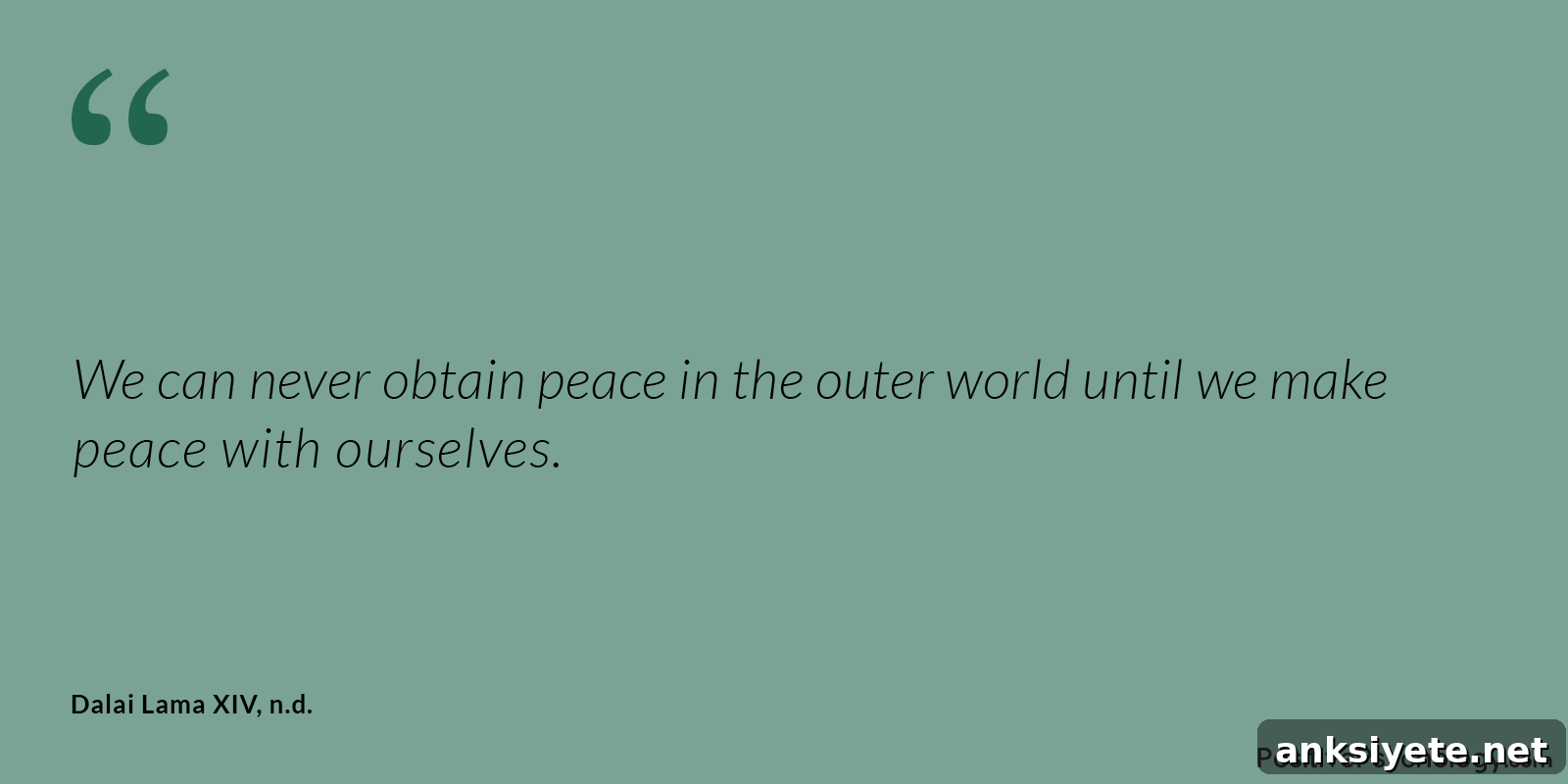
We can never obtain peace in the outer world until we make peace with ourselves.
Dalai Lama XIV, n.d.
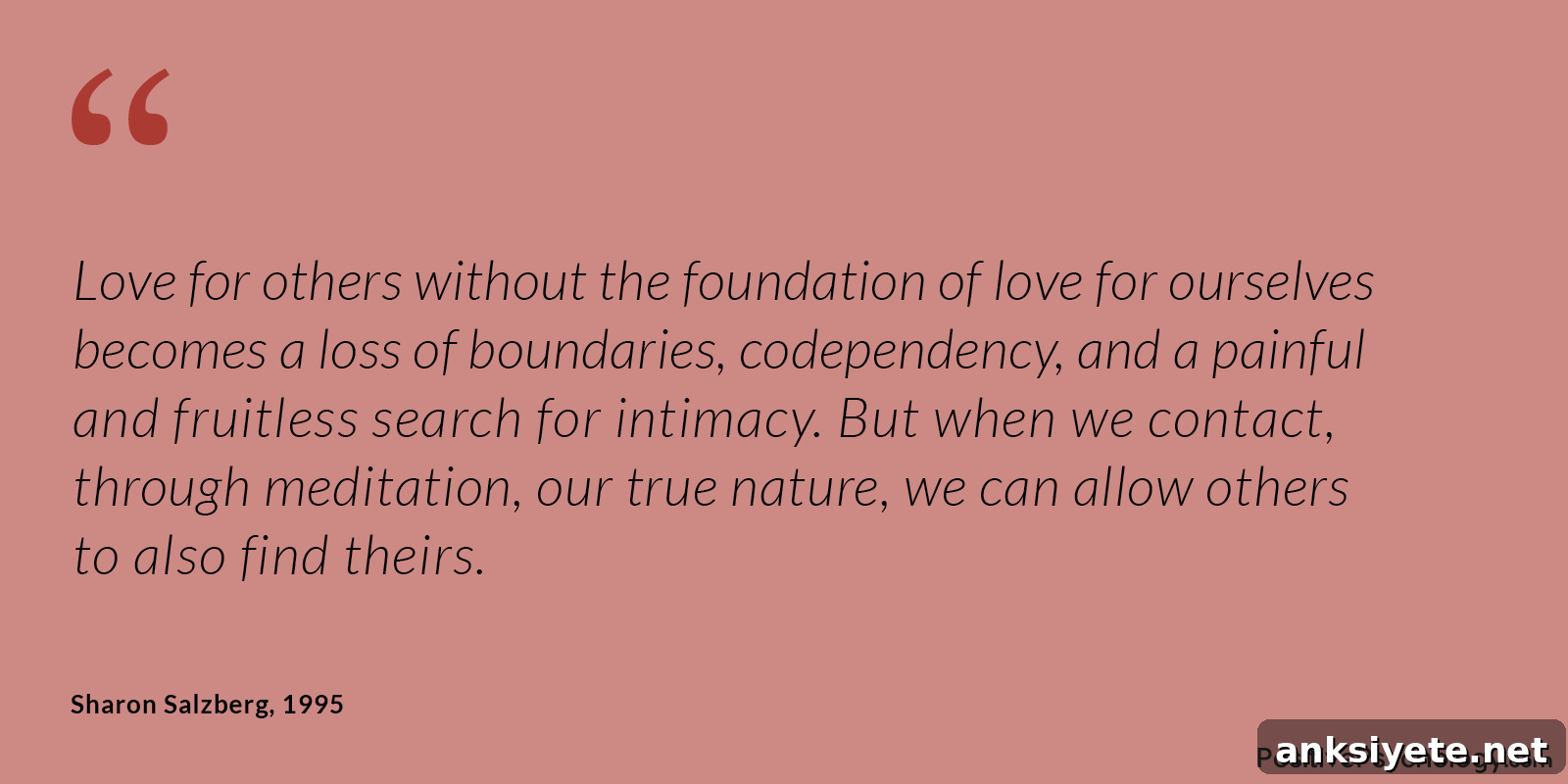
Love for others without the foundation of love for ourselves becomes a loss of boundaries, codependency, and a painful and fruitless search for intimacy. But when we contact, through meditation, our true nature, we can allow others to also find theirs.
Sharon Salzberg, 1995, p. 24
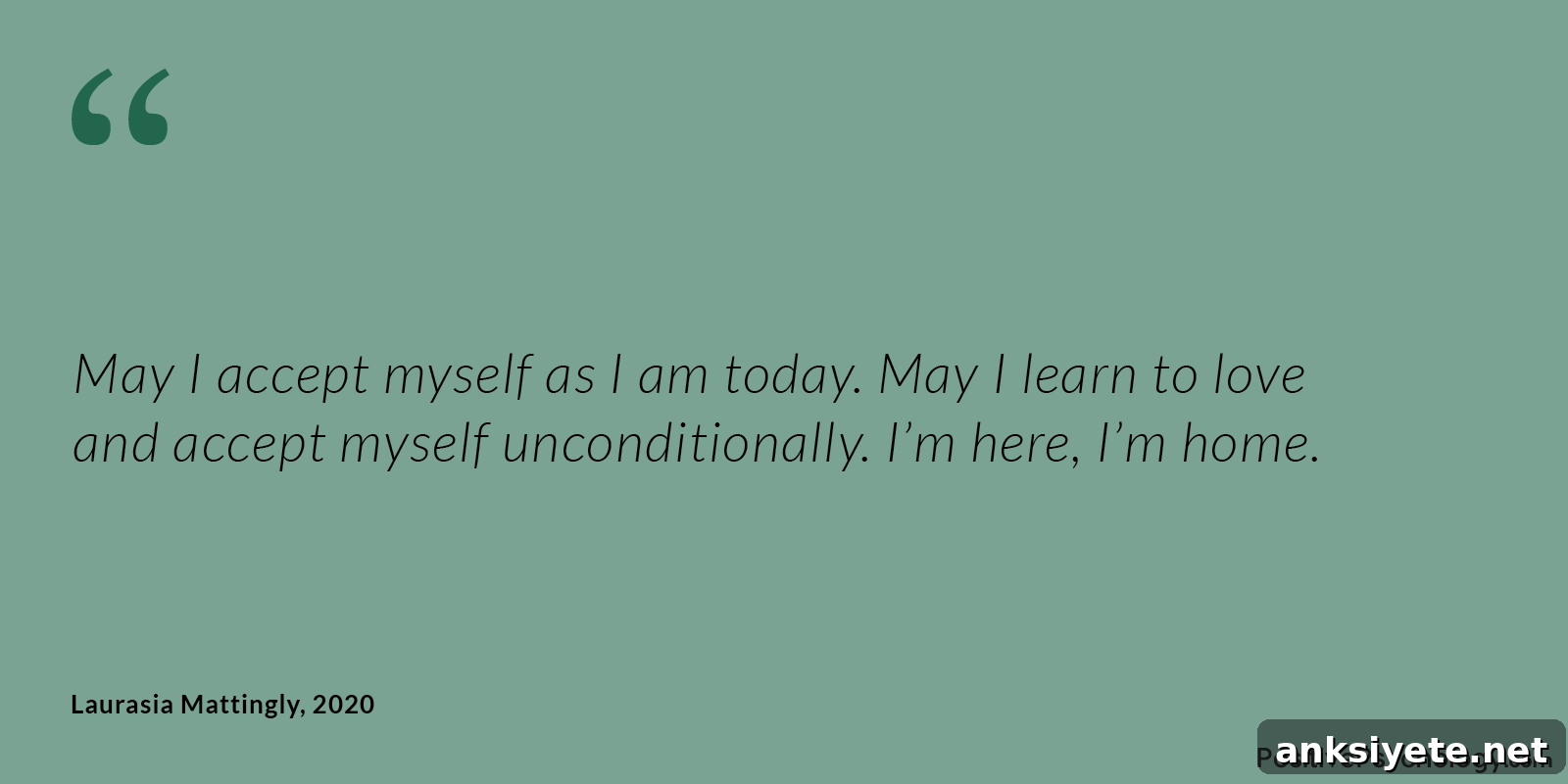
May I accept myself as I am today. May I learn to love and accept myself unconditionally. I’m here, I’m home.
Laurasia Mattingly, 2020, p. 2
If your compassion does not include yourself, it is incomplete.
Buddha, n.d.
… the curious paradox is that when I accept myself as I am, then I change.
Carl Rogers, 1995, p. 17
Let us therefore teach our children and our therapy clients to have unconditional self-acceptance – that is, to fully accept themselves as valuable and enjoyable humans whether or not they are self-efficacious and whether or not others approve of or love them.
Albert Ellis, 1996, p. 150
… if we want our children to love and accept who they are, our job is to love and accept who we are.
Brené Brown, 2015, p. 219
When we give ourselves compassion, the tight knot of negative self-judgment starts to dissolve, replaced by a feeling of peaceful, connected acceptance – a sparkling diamond that emerges from the coal.
Kristin Neff, 2015, p. 13
When we lack unconditional self-love, relationships and intimacy can suffer and we may remain stuck in self-criticism over past mistakes. Practicing self-love fosters present-focused growth, greater wellbeing, and models healthy self-acceptance for the next generation.
World’s Largest Positive Psychology Resource
The Positive Psychology Toolkit© contains hundreds of science-based exercises, activities, and assessments created by experts to support practice and personal growth. Updated regularly.
8 Short Self-Esteem Quotes
Self-esteem is perhaps the greatest emotional sickness known to humans.
Albert Ellis, 1996, p. 150
Basing self-esteem on external contingencies of self-worth, such as appearance or others’ approval, requires continual validation from others.
Jennifer Crocker & Katherine Knight, 2005, p. 202
Pursuing self-esteem can be motivating, but other sources of motivation—goals that benefit the self and others—can offer equal drive without the same costs.
Jennifer Crocker & Lora Park, 2004, p. 407
Rather, we think of boosts to self-esteem as analogous to sugar: tasty but not nutritious.
Jennifer Crocker & Katherine Knight, 2005, p. 201
The short-term emotional benefits of pursuing self-esteem are often outweighed by long-term costs.
Jennifer Crocker & Lora Park, 2004, p. 392
The pursuit of self-esteem sacrifices autonomy.
Jennifer Crocker & Lora Park, 2004, p. 399
People with high self-esteem have a stronger tendency than those with low self-esteem to judge and treat their own groups more favorably than out-groups.
Roy Baumeister et al., 2003, p. 36
Unconditional, non-egoistic self-acceptance is actually more in line with self-compassion than [self-esteem], suggesting that self-compassion may be a better candidate for predicting healthy relationship interactions.
Kristin Neff & Natasha Beretvas, 2013, p. 79
Self-esteem—how much value people place on themselves—has a long history in psychology. However, because it is often tied to competence and performance, it tends to rise and fall with success and failure. That instability can lead to emotional volatility, pressure to perform, and costs to autonomy, learning, and relationships. By contrast, unconditional self-acceptance and self-compassion provide steadier foundations for wellbeing.
4 Quote Books About the Power of Self-Love
Below are four books that compile powerful reflections and quotes about self-love, along with representative passages included in each.
1. Self-Love: 100+ Quotes, Reflections, and Activities to Help You Uncover and Strengthen Your Self-Love – Devi B. Dillard-Wright
This collection offers reflections and short exercises to shift readers from self-loathing to self-compassion, organized into helpful topics like releasing guilt and finding purpose. Examples include:
You are beautiful because of your unrelenting insistence on being utterly, uncompromisingly, completely you.
Jeanette LeBlanc, p. 33
Loving yourself isn’t vanity. It’s sanity.
André Gide, p. 21
2. Buddha: His Words – Daniel Coenn

This book gathers many of the Buddha’s well-known sayings about compassion and self-worth, such as:
You yourself, as much as anybody in the entire universe deserve love and affection.
If you truly loved yourself, you could never hurt another.
3. Love Yourself Every Day: 365 Daily Self-Love Quotes and Affirmations – Jordan S. Alexander

Daily affirmations in this collection aim to break down self-deprecation and boost self-worth. Examples include:
It’s all about falling in love with yourself and sharing that love with someone who appreciates you, rather than looking for love to compensate for a self-love deficit.
Eartha Kitt, p. 18
I was once afraid of people saying ‘Who does she think she is?’ Now I have the courage to stand and say, ‘This is who I am.’
Oprah Winfrey, p. 21
4. Good Vibes, Good Life: How Self-Love Is the Key to Unlocking Your Greatness – Vex King

Drawing on personal experience, this book encourages readers to cultivate positive habits, release fear, and pursue purpose. Representative quotes include:
Self-love is the balance between accepting yourself as you are while knowing you deserve better, then working towards it.
When you start loving yourself, life starts loving you, too.
17 Exercises To Foster Self-Acceptance and Compassion
Practical, science-based exercises designed to help people develop kinder, more accepting relationships with themselves.
The Science of Self-Acceptance Masterclass
Promoting self-acceptance is a focus at PositivePsychology.com. The Science of Self-Acceptance Masterclass offers a research-based program for practitioners who want to help clients shift from chase-for-esteem strategies to lasting self-acceptance.
Taught by Dr. Hugo Alberts, the course uses accessible metaphors and includes recorded modules, a science-based handbook, worksheets, exercises, and materials for teaching the course to others. It aims to change narratives that seek approval into ones grounded in stable worthiness.
A Take-Home Message
This collection of quotes and reflections highlights the transformative power of self-love and unconditional self-acceptance. While full self-acceptance can be challenging, it enables us to forgive past mistakes, respect our inherent worth, and live more authentically.
Unlike performance-dependent self-esteem, self-acceptance provides steady inner resources that support growth, meaningful relationships, and emotional freedom. Cultivating self-compassion gives us the courage to be ourselves and to embrace a fuller, more peaceful life.
We hope these quotes inspire you to practice greater kindness toward yourself. Consider exploring science-based exercises and resources to deepen this work.
- Alexander, J. S. (2021). Love yourself every day: 365 daily self-love quotes and affirmations to boost self-esteem and confidence. Author.
- Baumeister, R., Campbell, J., Krueger, J., & Vohs, K. (2003). Does high self-esteem cause better performance, interpersonal success, happiness, or healthier lifestyles? Psychological Science in the Public Interest, 4, 1–44.
- Bernard, M. (2013). The strength of self-acceptance: Theory, practice and research. Springer.
- Brach, T. (2004). Radical acceptance: Embracing your life with the heart of a Buddha. Bantam.
- Branden, N. (2011). How to raise your self-esteem: The proven action-oriented approach to greater self-respect and self-confidence. Random House.
- Brown, B. (2015). Daring greatly: How the courage to be vulnerable transforms the way we live, love, parent, and lead. Avery.
- Crocker, J., & Park, L. (2004). The costly pursuit of self-esteem. Psychological Bulletin, 130, 392–414.
- Garcia, D., Nima, A., & Kjell, O. (2014). Affective profiles, psychological well-being, and harmony: Environmental mastery and self-acceptance predict a sense of a harmonious life. PeerJ, 2.
- MacInnes, D. (2006). Self-esteem and self-acceptance: An examination into their relationship and effect on psychological health. Journal of Psychiatric and Mental Health Nursing, 13, 483–489.
- Neff, K. (2015). Self-compassion: The proven power of being kind to yourself. William Morrow.
- Rogers, C. (1995). On becoming a person: A therapist’s view of psychotherapy. Mariner Books.
- Salzberg, S. (2002). Lovingkindness: The revolutionary art of happiness. Shambhala.
- Taylor, S. R. (2018). The body is not an apology: The power of radical self-love. Berrett-Koehler.