 You don’t have to look far to find countless quotes about happiness. They can uplift, inspire, or provoke reflection. This article examines many popular quotes about happiness and compares their claims with what research and evidence tell us.
This Article Contains:
- Quotes on Finding Happiness
- When Happiness Is Really Happiness
- What Happiness Actually Is
- Where Happiness Comes From
- A Formula for Happiness
- What Our Happiness Depends On
- What Accompanies Happiness
- The Key to Happiness
- On Seeking Happiness
- Pursuing Happiness vs. Being Present
- A Happy Life
- Discipline and Happiness
- Success and Happiness
- Happiness, Freedom, and Courage
- Happiness and the Brain
- Take-Home Message
- References
Quotes on Finding Happiness
“Happiness is a choice.”
“Happiness is not trying or finding, it’s deciding.”
Meaning
These statements claim that happiness is something we actively choose rather than passively receive. The idea is empowering: by changing attitude and behavior we can create more joy and contentment.
Evidence
- Experimental studies show that intentional efforts—like listening to uplifting music or practicing positive activities—can increase experienced happiness in the short term.
- However, clinical evidence shows that people with depression may lack the cognitive resources to “choose” happiness easily.
- Genetics account for a significant portion of individual differences in baseline happiness, so free choice has limits.
Verdict
Partly true. We can adopt habits and practices that raise happiness, but biology and mental health constraints mean it is not simply a matter of willpower for everyone.
A Quote on When Happiness Is Really Happiness
“Happiness is only real when shared.”
Meaning
This suggests happiness becomes meaningful or deeper when it is shared with others.
Evidence
- Research shows that sharing positive experiences amplifies positive emotion and life satisfaction above what the experience alone provides.
- Positive moods and behaviors spread through social networks, increasing others’ wellbeing as well.
Verdict
Mostly true. While solitary joy is genuine, sharing positive moments reliably enhances and prolongs happiness.
A Quote on What Happiness Actually Is
“Happiness is a state of mind.”
Meaning
The phrase implies that happiness is an internal mental state we can switch on through mindset and perspective.
Evidence
- People can influence their mood through cognitive and behavioral strategies, and short-term interventions can raise happiness.
- Genetic and environmental factors also shape baseline happiness, so it is not solely a matter of mind-set.
Verdict
Half true. Happiness is partly a mental state we can cultivate, but long-term levels also reflect biology and life circumstances.
A Quote on Where Happiness Comes From
“Happiness comes from within.”
Meaning
This claims internal attitudes and choices are the main source of happiness, rather than external possessions or status.
Evidence
- Studies indicate that intentional activities and personal outlook strongly influence wellbeing.
- At the same time, external factors—income, relationships, social structures—also matter, and systemic issues can limit individual options for flourishing.
Verdict
Mostly true, but incomplete. Internal factors are powerful drivers of wellbeing, yet external conditions and social contexts also play crucial roles.
A Quote on the Formula for Happiness
“Happiness is reality minus expectations.”
Meaning
The idea is that happiness depends on the gap between what we expect and what actually happens: smaller gaps yield greater contentment.
Evidence
- Relative comparisons and expectations influence satisfaction; large objective gains do not always produce long-term increases in happiness.
- Yet the relationship between expectations and happiness is complex—optimists often report higher wellbeing despite sometimes unmet expectations.
Verdict
Partly true. Expectations shape happiness, but they are only one of many interacting influences on subjective wellbeing.
A Quote on What Our Happiness Depends On
“Happiness depends upon ourselves.”
Meaning
Here the emphasis is on personal responsibility: our reactions, choices, and habits determine much of our happiness.
Evidence
- Research estimates a substantial portion of wellbeing is due to personal actions and habits, such as goal pursuit and relationship maintenance.
- Nevertheless, social relationships, economic conditions, and health also contribute.
Verdict
True, but with caveats. We have meaningful agency over our wellbeing, yet external circumstances also influence outcomes.
A Quote on What Accompanies Happiness
“Happiness never comes alone.”p>
Meaning
Happiness usually coexists with other emotions—joy often appears alongside sadness, longing, or anxiety.
Evidence
- Research documents mixed emotions and the simultaneous presence of positive and negative feelings in many life events.
Verdict
True. Emotional complexity is normal; happiness often arrives alongside other, sometimes conflicting, emotions.
Quotes on The Key to Happiness
“The secret of happiness, you see, is not found in seeking more, but in developing the capacity to enjoy less.”
Socrates
“Happiness can exist only in acceptance.”
George Orwell
Meaning
These suggest acceptance, gratitude, and the ability to appreciate what you have are central to lasting happiness.
Evidence
- Self-acceptance, gratitude practices, and accepting reality instead of constantly resisting it are strongly linked to greater life satisfaction and lower distress.
Verdict
True. Acceptance and gratitude are robust pathways to enhanced wellbeing.
Quotes on Seeking Happiness
“You will never be happy if you continue to search for what happiness consists of. You will never live if you are looking for the meaning of life.”
Albert Camus
“Happiness cannot be pursued, it must ensue.”
Viktor Frankl
Meaning
Happiness often follows meaningful living and engagement rather than from directly pursuing positive emotion as a primary goal.
Evidence
- Meaning and wellbeing overlap closely; chasing happiness as an isolated target can backfire, while pursuing values and purpose tends to produce deeper contentment.
Verdict
Mostly true. Happiness frequently emerges as a byproduct of meaningful action rather than a goal pursued in isolation.
Pursuing Happiness vs. Being Present with Happiness
“There is no path to happiness: happiness is the path.”
“Happiness is not something you postpone for the future; it is something you design for the present.”
Jim Rohn
Meaning and Evidence
These lines emphasize designing present-moment life and cultivating appreciation now rather than deferring joy to some future milestone. Mindfulness and savoring the present tend to increase momentary and overall wellbeing.
Verdict
True. Practicing presence and appreciation supports greater happiness than constant future-focused striving.
A Happy Life Quote
“A happy life is one which is in accordance with its own nature.”
Seneca
Meaning
Living authentically—aligned with your values and nature—leads to a more fulfilling life.
Evidence
Studies repeatedly find authenticity correlates with higher life satisfaction, self-esteem, and psychological wellbeing.
Verdict
True. Authentic living is strongly associated with happiness.
A Quote on Discipline and Happiness
“A disciplined mind brings happiness.”
Buddha
Meaning and Evidence
Self-discipline supports goal attainment and consistent healthy habits; research links trait self-control with greater life satisfaction and affective wellbeing.
Verdict
True. Discipline and purposeful action support sustained happiness.
A Quote on Success and Happiness
“Success is not the key to happiness. Happiness is the key to success.”
Albert Schweitzer
Meaning and Evidence
Evidence suggests positive emotion and happiness often precede career and social success, rather than the other way around. Happiness fosters creativity, resilience, and productivity.
Verdict
True. Happiness supports success more reliably than success guarantees lasting happiness.
A Quote on Happiness, Freedom, and Courage
“The secret to happiness is freedom… and the secret to freedom is courage.”
Thucydides
Meaning and Evidence
Greater freedom—political or personal—often correlates with higher average wellbeing across societies. Courage to claim freedom for oneself or others plays a role, but more choice is not always more happiness: too many options can increase regret and dissatisfaction.
Verdict
Mostly true. Freedom tends to support happiness, but the relationship is nuanced.
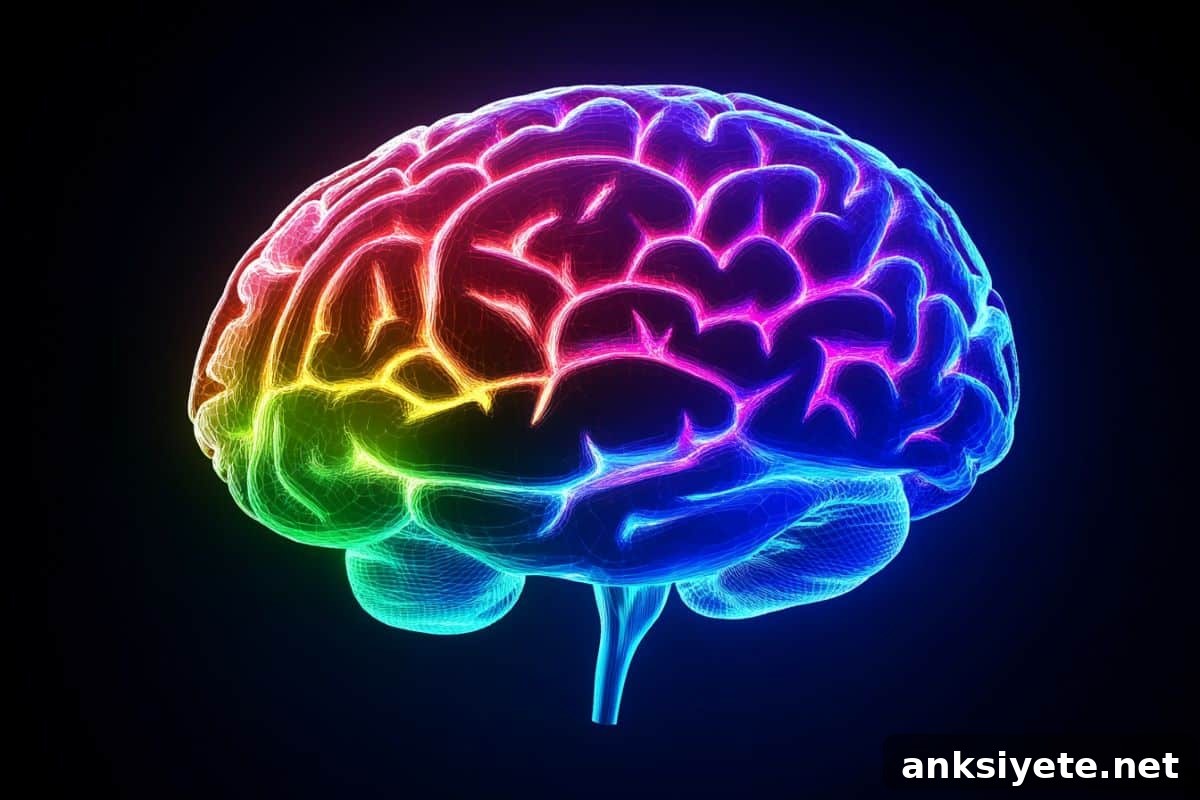
A Quote on Happiness and the Brain
“Happiness is just a positive perception from our brain. Some days, you will be unhappy. Our brain is a tool we use. It’s not who we are.”
James Altucher
Meaning and Evidence
Happiness is experienced through brain processes and neurochemicals; brain regions and neurotransmitters underlie positive emotion. Negative feelings are inevitable, and viewing emotions as transient signals can be helpful.
Verdict
True with a caveat. Neuroscience confirms the brain’s role in emotion, though philosophical questions about identity and the brain go beyond empirical science.
A Take-Home Message
Quotes about happiness capture important truths but often simplify a complex reality. Evidence shows happiness arises from a mix of genetics, personal choices, meaningful engagement, relationships, and social context. Practices like gratitude, acceptance, disciplined goal pursuit, authentic living, and sharing positive moments are reliably associated with greater wellbeing. At the same time, mental health conditions and structural factors can limit how easily any individual can choose happiness.
If a memorable quote motivates you to act—practicing gratitude, strengthening relationships, or pursuing meaningful goals—that is a practical win. Use both insight and evidence: apply simple, research-backed habits while recognizing the broader forces that shape wellbeing.
Thanks for reading—happy exploring on your journey to better understanding happiness.
- Boehm, J. K., & Lyubomirsky, S. (2008). Does happiness promote career success? Journal of Career Assessment, 16, 101-116.
- Brickman, P., Coates, D., & Janoff-Bulman, R. (1978). Lottery winners and accident victims: Is happiness relative? Journal of Personality and Social Psychology, 36, 917-927.
- Brown, K. W., & Ryan, R. M. (2003). The benefits of being present: Mindfulness and its role in psychological well-being. Journal of Personality and Social Psychology, 84, 822-848.
- Chamberlain, J. M., & Haaga, D. A. F. (2001). Unconditional self-acceptance and psychological health. Journal of Rational-Emotive and Cognitive-Behavior Therapy, 19, 163-176.
- Covin, R. (2017). Happiness is not a state of mind. Medium.
- Diener, E., & Seligman, M. E. P. (2002). Very happy people. Psychological Science, 13, 81-84.
- Emmons, R. A., & McCullough, M. E. (2003). Counting blessings versus burdens: gratitude and subjective well-being. Journal of Personality and Social Psychology, 84, 377-389.
- Ferguson, Y. L., & Sheldon, K. M. (2013). Trying to be happier really can work: Two experimental studies. The Journal of Positive Psychology, 8, 23-33.
- Fowler, J. H., & Christakis, N. A. (2008). Dynamic spread of happiness in large social networks: Longitudinal analysis. BMJ, 337.
- Kashdan, T. B., Biswas-Diener, R., & King, L. A. (2008). Reconsidering happiness: The costs of distinguishing between hedonics and eudaimonia. Journal of Positive Psychology, 3, 219-233.
- Lambert, N. M., et al. (2012). A boost of positive affect: The perks of sharing positive experiences. Journal of Social and Personal Relationships, 30, 24-43.
- Lykken, D., & Tellegen, A. (1996). Happiness is a stochastic phenomenon. Psychological Science, 7, 186-189.
- Lyubomirsky, S., Sheldon, K. M., & Schkade, D. (2005). Pursuing happiness: The architecture of sustainable change. Journal of Happiness Studies.
- McGuirk, L., Kuppens, P., Kingston, R., & Bastian, B. (2018). Does a culture of happiness increase rumination over failure? Emotion, 18, 755-764.
- Nes, R. B., & Røysamb, E. (2017). Happiness in behavior genetics: An update on heritability and changeability. Journal of Happiness Studies, 18, 1533-1552.
- Ryff, C. D. (1989). Happiness is everything, or is it? Journal of Personality and Social Psychology, 57, 1069-1081.
- Sheldon, K. M., & Lyubomirsky, S. (2006). Achieving sustainable gains in happiness: Change your actions, not your circumstances. Journal of Happiness Studies, 7, 55-86.
- Veenhoven, R. (2000). Freedom and happiness: A comparative study in 46 nations. In E. Diener & E. M. Suh (Eds.), Culture and Subjective Well-Being. MIT Press.
- Walsh, L. C., Boehm, J. K., & Lyubomirsky, S. (2018). Does happiness promote career success? Revisiting the evidence. Journal of Career Assessment, 26, 199-219.