
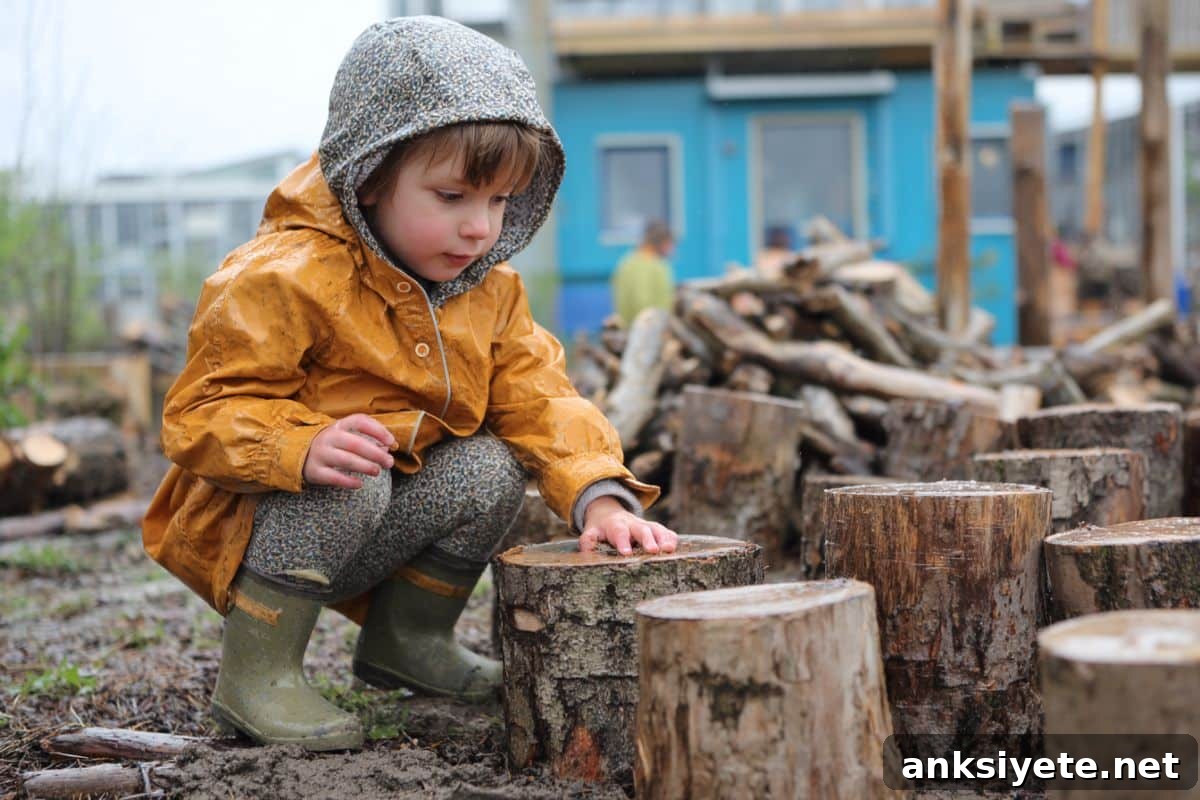
Summary: A new longitudinal study establishes the first timeline showing how early-life outdoor play supports children’s mental health through middle childhood. Children who regularly play outdoors between ages two and four are significantly more likely to maintain low levels of emotional and behavioral difficulties up to age eight.
Analyzing data from thousands of children, the research finds a measurable, incremental protective effect of preschool outdoor play against anxiety, depression, aggression and hyperactivity. The findings underline the importance of preserving and funding informal play spaces, parks and playgrounds as low-cost public health interventions.
Key Facts
- First longitudinal analysis of preschool outdoor play: This is the first study to map how outdoor play in the preschool years predicts mental health trajectories across childhood.
- Large, population-based sample: Researchers analyzed data from 4,151 children participating in the Growing Up in Scotland cohort.
- Incremental protective effect: Each additional day per week that a child played outdoors during ages two to four increased their odds of maintaining a low-symptom mental health profile through age eight by approximately 6% to 14%.
- Protects multiple symptom domains: Early outdoor play predicted lower trajectories for both internalizing symptoms (anxiety, depression) and externalizing symptoms (aggression, impulsivity, hyperactivity).
- Controlled for confounders: Analyses adjusted for child sex, ethnicity, household education level, child physical health conditions, parental employment, and access to a private garden or nearby park.
- Public health implication: Lead investigator Professor Helen Dodd emphasizes that increasing outdoor play opportunities offers a simple, low-cost strategy to support early mental health and calls for investment in public play spaces.
Source: University of Exeter
Children who spend more time playing outdoors between ages two and four are less likely to develop emotional and behavioural difficulties later in childhood.
Published in the Journal of Child Psychology and Psychiatry, the study extends earlier cross-sectional associations between nature and child mental health by using repeated, population-based measures to examine how preschool outdoor play predicts mental health trajectories from age four through age eight.
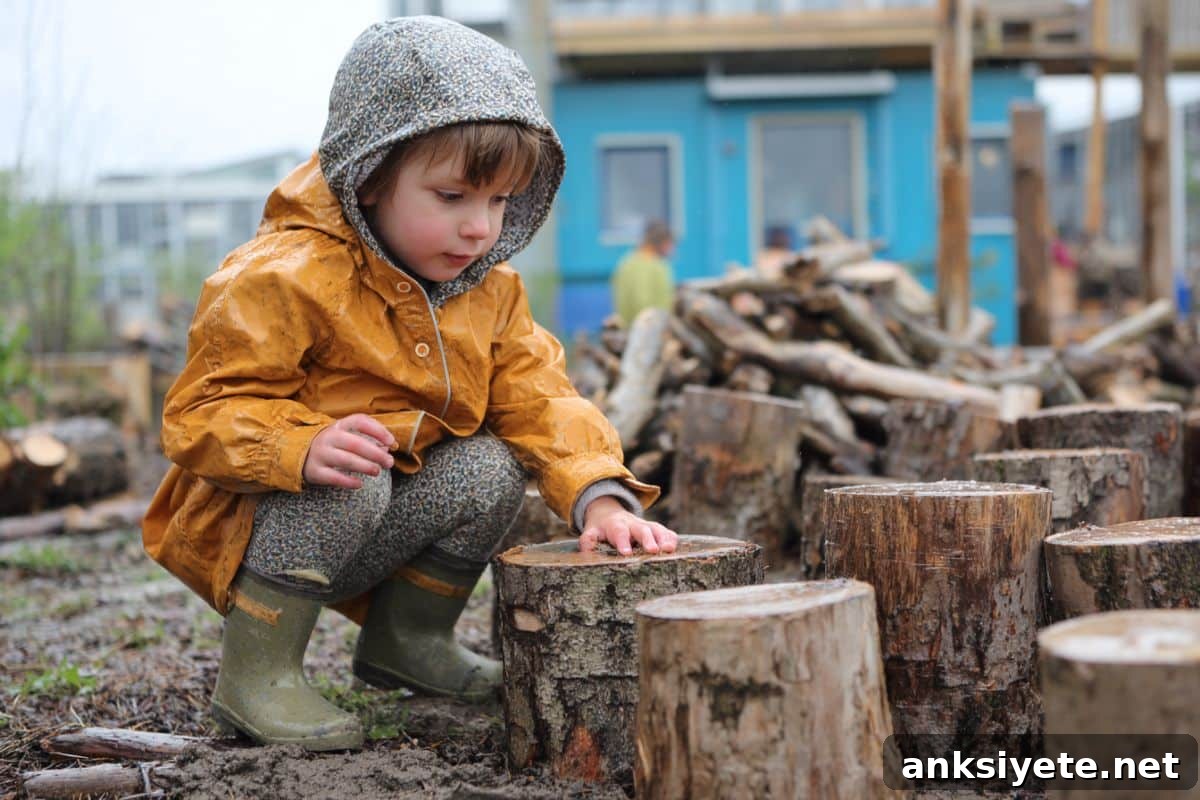
Most children follow a low, stable trajectory of mental health symptoms during childhood, but some show increasing problems and others persist with high symptoms. This study reports that more frequent outdoor play at ages two to four is associated with greater likelihood of staying in the low-symptom group through middle childhood.
Parents in the Growing Up in Scotland study reported how many days in the previous week their child had played outside at approximate ages two, three and four. Child mental health symptoms were measured with the Strengths and Difficulties Questionnaire (SDQ) at ages four, five, six and eight. The research team used growth mixture modelling to identify symptom trajectories for internalizing and externalizing problems, then applied multilevel multinomial regression to test whether early outdoor play predicted trajectory membership.
Results identified three distinct trajectories for both internalizing and externalizing symptoms: a normative low-stable group, an increasing group, and a decreasing group. After accounting for multiple covariates, more frequent preschool outdoor play was associated with significantly lower odds of belonging to the increasing or decreasing symptom groups versus the normative group. Reported effect sizes indicate odds ratios consistent with a 6% to 14% increase in the odds of maintaining a healthy, low-symptom profile per additional day of weekly outdoor play during the preschool years.
Professor Helen Dodd (University of Exeter), lead author, noted: “Providing young children with more opportunities to play outside could be a straightforward, low-cost way to support better mental health. Policies and budgets should protect and maintain playgrounds, parks and informal play areas, which are particularly important for families without private gardens.”
To strengthen causal interpretation, the authors adjusted for child sex, ethnicity, the highest education level in the household, number of child physical health conditions, parental working status, and whether the family had access to a garden or a park within ten minutes of home. The study’s primary limitation is reliance on parent-reported measures for both outdoor play and child symptoms.
Key Questions Answered
A: Each additional day per week of outdoor play between ages two and four is associated with a 6%–14% higher likelihood of remaining in a low-symptom mental health trajectory through age eight.
A: Analyses adjusted for a wide range of family and environmental variables. After these controls, outdoor play remained a significant predictor of better mental health trajectories.
A: Public parks, playgrounds and informal green spaces act as important equalizers for families lacking private gardens, offering accessible opportunities for healthy, developmentally supportive play.
Editorial Notes
- This article was edited by a Neuroscience News editor.
- The journal paper was reviewed in full by the editorial team.
- Additional contextual information was added by staff to clarify findings.
About this research
Author: Louise Vennells
Source: University of Exeter
Contact: Louise Vennells – University of Exeter
Image: Image credit: Neuroscience News
Original research (open access): “Early Outdoor Play Predicts Trajectories of Child Mental Health in a Population-Based Cohort” by Helen F. Dodd, Kirsty Cordwell, Kathryn Hesketh, Avril Johnstone, Alejandro de la Torre-Luque, Paul McCrorie. Journal of Child Psychology and Psychiatry. DOI: 10.1111/jcpp.70175
Abstract
Early Outdoor Play Predicts Trajectories of Child Mental Health in a Population-Based Cohort
Background
Outdoor play can provide developmental experiences that support mental health. While cross-sectional studies link greater outdoor play to fewer internalizing problems, longitudinal evidence has been limited. This study uses a representative cohort to test whether outdoor play at ages two to four predicts children’s mental health trajectories into middle childhood.
Methods
Data came from the Growing Up in Scotland cohort. Parents reported how many days in the previous week their child had played outside at ages approximately 2, 3 and 4. Child mental health was assessed with the Strengths and Difficulties Questionnaire at ages 4, 5, 6 and 8. Growth mixture modelling identified trajectories for internalizing and externalizing symptoms; multilevel multinomial regression tested whether early outdoor play predicted trajectory membership while adjusting for covariates.
Results
The analytic sample included 4,151 children. A three-class solution fit best for both symptom domains: normative (low, stable), increasing (moderate, increasing), and decreasing (high, decreasing). Greater preschool outdoor play was associated with significantly lower odds of belonging to the increasing or decreasing trajectories relative to the normative group for both internalizing and externalizing symptoms. Reported odds ratios correspond to a per-day increase in odds of maintaining a healthy profile in the range reported above.
Conclusions
Using nationally representative longitudinal data, this study provides evidence that early outdoor play predicts child mental health trajectories across childhood. Although parent-report measures are a limitation, findings support policies that increase opportunities for outdoor play as a preventive public health strategy to reduce child mental health problems.