
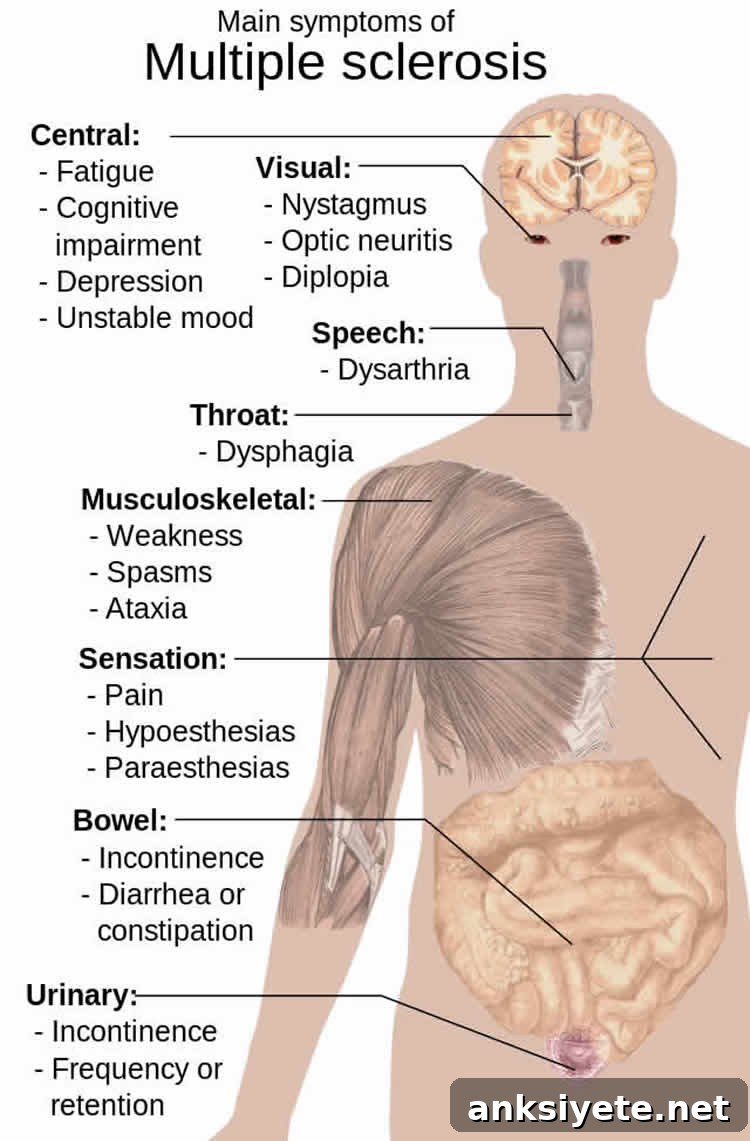
Children born to mothers who were vitamin D deficient during early pregnancy appear to face a higher risk of developing multiple sclerosis (MS) in adulthood, according to a report published in JAMA Neurology.
Previous research has linked higher vitamin D levels in adulthood with a lower risk of MS, and some studies have also suggested that vitamin D exposure before birth might influence MS risk later in life. To explore this possibility, investigators analyzed maternal vitamin D status early in pregnancy and the subsequent MS risk in their children.
Kassandra L. Munger, Sc.D., at the Harvard T.H. Chan School of Public Health and coauthors examined serum 25-hydroxyvitamin D (25[OH]D) concentrations measured from stored prenatal blood samples drawn from the Finnish Maternity Cohort. They then compared levels from pregnancies that resulted in children later diagnosed with MS to levels from matched pregnancies without a later MS diagnosis.
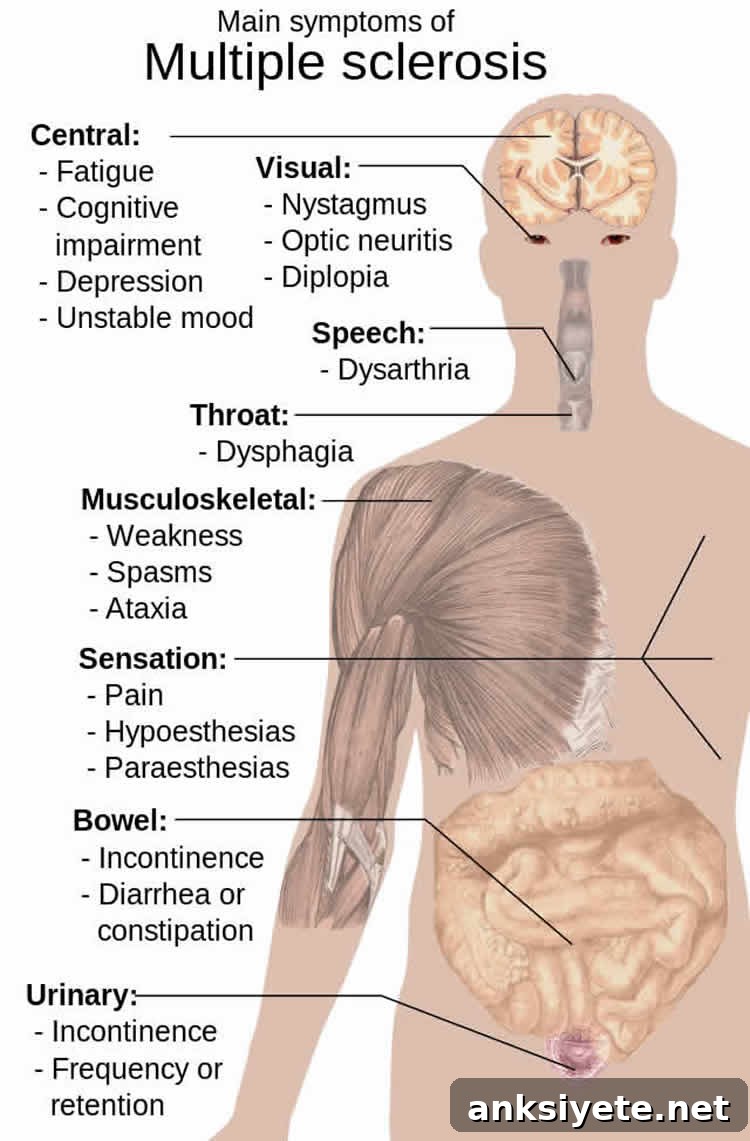
The nested case-control analysis identified 193 individuals (163 female) diagnosed with MS whose mothers had provided a prenatal serum sample stored in the Finnish Maternity Cohort. The study matched 176 cases with 326 controls based on region of birth within Finland, the date of maternal serum collection, the mother’s birth date, and the child’s birth date to reduce confounding by temporal and geographic factors.
Most maternal samples (about 70 percent) were collected during the first trimester, and average maternal 25(OH)D concentrations fell in the insufficient range overall. After adjusting for the child’s sex, gestational age at sample collection, and season when the sample was taken, the investigators observed that maternal vitamin D deficiency during early pregnancy was associated with a substantially elevated MS risk in the offspring. Specifically, children whose mothers had 25(OH)D levels below 12.02 ng/mL experienced roughly a 90 percent higher risk of developing MS in adulthood compared with children whose mothers were not vitamin D deficient.
The authors note that two prior studies that assessed prenatal or early-life 25(OH)D did not find a link to subsequent MS risk. Differences in study design, populations, timing of blood collection, and the range of vitamin D exposure across cohorts may explain inconsistent findings across studies. The current analysis benefits from the large, well-characterized Finnish biobank and the availability of archived maternal serum drawn early in pregnancy, but it also has limitations: maternal serum 25(OH)D is an imperfect proxy for the concentration actually reaching the developing fetus, and the study cannot determine whether the association follows a graded dose-response across higher ranges of 25(OH)D sufficiency.
The study’s authors conclude that their findings are consistent with the hypothesis that insufficient maternal vitamin D during pregnancy increases offspring MS risk, but they emphasize that further research is needed. Specifically, studies conducted in populations with a broader distribution of prenatal 25(OH)D concentrations are required to evaluate whether a dose-response relationship exists and to better define any protective threshold.
Funding and resource context: The analysis was made possible by the Finnish Maternity Cohort (FMC), a national biobank of prenatal serum samples. Although the FMC was not originally created specifically for MS research, its archived specimens provide a valuable resource for studying prenatal influences on later-life disease.
Source: Todd Datz – JAMA Networks
Original research: “Vitamin D Status During Pregnancy and Risk of Multiple Sclerosis in Offspring of Women in the Finnish Maternity Cohort” by Kassandra L. Munger, ScD; Julia Åivo, MD; Kira Hongell, MD; Merja Soilu-Hänninen, MD; Heljä-Marja Surcel, PhD; and Alberto Ascherio, MD, DrPH, published online March 7, 2016, in JAMA Neurology.
Abstract
Vitamin D Status During Pregnancy and Risk of Multiple Sclerosis in Offspring of Women in the Finnish Maternity Cohort
Importance: Vitamin D status has been associated with MS risk in adulthood, but evidence is mixed regarding whether in utero vitamin D exposure influences MS development later in life.
Objective: To determine whether maternal serum 25-hydroxyvitamin D (25[OH]D) levels measured during early pregnancy are associated with MS risk in offspring.
Design, Setting, and Participants: This prospective, nested case-control study used samples from the Finnish Maternity Cohort. Investigators identified 193 individuals diagnosed with MS through December 31, 2009, whose mothers had archived pregnancy serum samples available. Cases were matched to 326 controls on region of birth, date of maternal sample collection, mother’s birth date, and child’s birth date.
Main Outcomes and Measures: Maternal 25(OH)D concentrations were measured via chemiluminescence assay. Conditional logistic regression estimated relative risks of offspring MS associated with maternal vitamin D status, with adjustments for child sex, gestational age at sampling, and season of sample collection.
Results: Of the 193 cases, 163 were female; among controls, 218 of 331 were female. Seventy percent of samples were collected in the first trimester. Mean maternal 25(OH)D concentrations were in the insufficient range and were modestly lower among case mothers than control mothers. Maternal vitamin D deficiency in early pregnancy was associated with an increased risk of MS in offspring.
Conclusions and Relevance: Insufficient maternal 25(OH)D during pregnancy may increase the risk of MS in offspring. Additional studies across populations with wider prenatal vitamin D distributions are needed to clarify dose-response relationships and potential clinical implications.