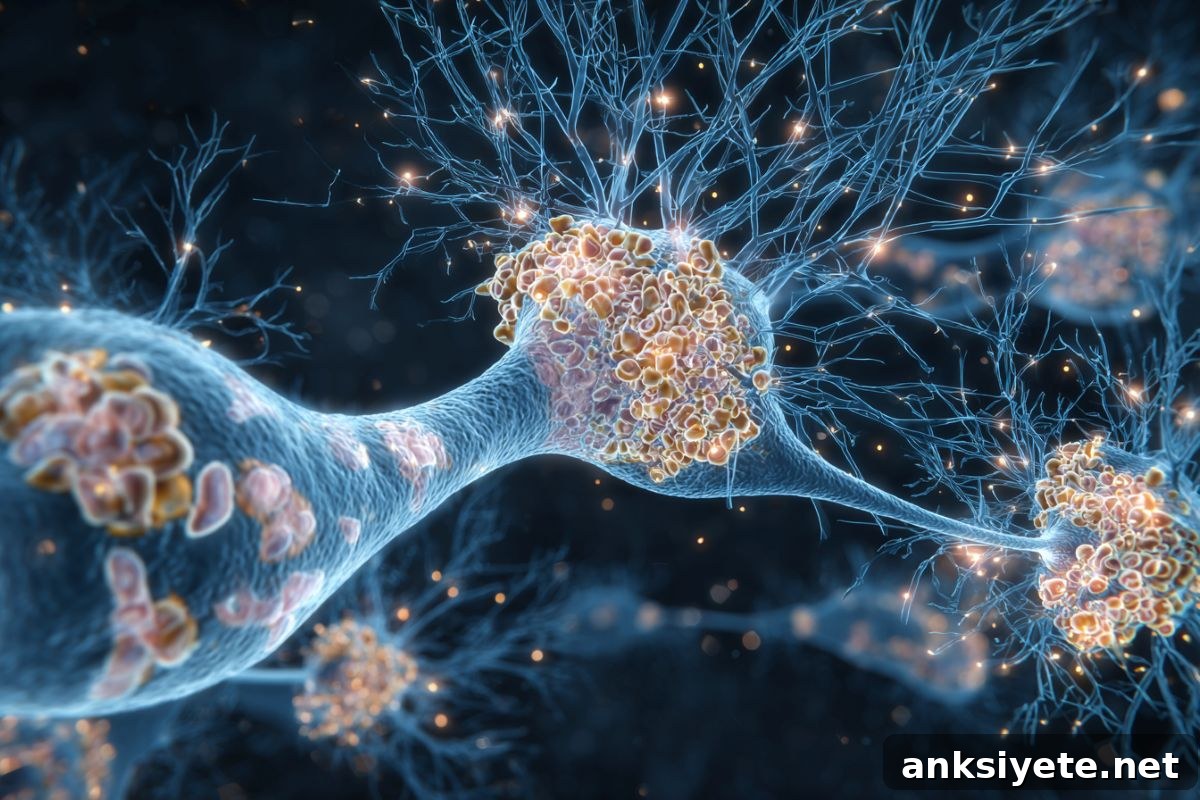
Summary: Scientists have revealed how stem cells in the olfactory system continually regenerate the neurons that underlie our sense of smell. By combining high-resolution live imaging in zebrafish, quantitative cell tracking and single-cell RNA sequencing, researchers discovered a bistable toggle switch that directs progenitor cells into specific fates and promotes their self-organization into distinct “cellular neighborhoods.” These mechanisms explain how noisy, fluctuating signals reliably produce new neurons throughout life and point toward potential strategies for repairing or reshaping nervous tissue in disease.
Olfactory neurogenesis is a continual process in vertebrates, including humans, and depends on precise coordination of cell division, fate commitment and migration so newly born cells integrate properly. Until now, it has been unclear how progenitor cells convert noisy local signals into decisive, reproducible outcomes in a densely packed tissue environment. This study clarifies those mechanisms and shows how transient groups of progenitors act as temporary niches to sustain ongoing neuron production.
Key Facts
- Bistable Toggle Switch: A mutually antagonistic signaling circuit functions as a bistable switch that commits progenitor cells to distinct lineages.
- Self-Organizing Neighborhoods: Progenitor cells transiently assemble into cellular “neighborhoods” that streamline fate decisions and support neurogenesis.
- Continuous Regeneration: The human olfactory epithelium retains the capacity to renew sensory neurons throughout life, with turnover occurring over months.
- Clinical Relevance: Understanding these signaling networks could inform future therapeutic strategies for neurodevelopmental and neurodegenerative disorders.
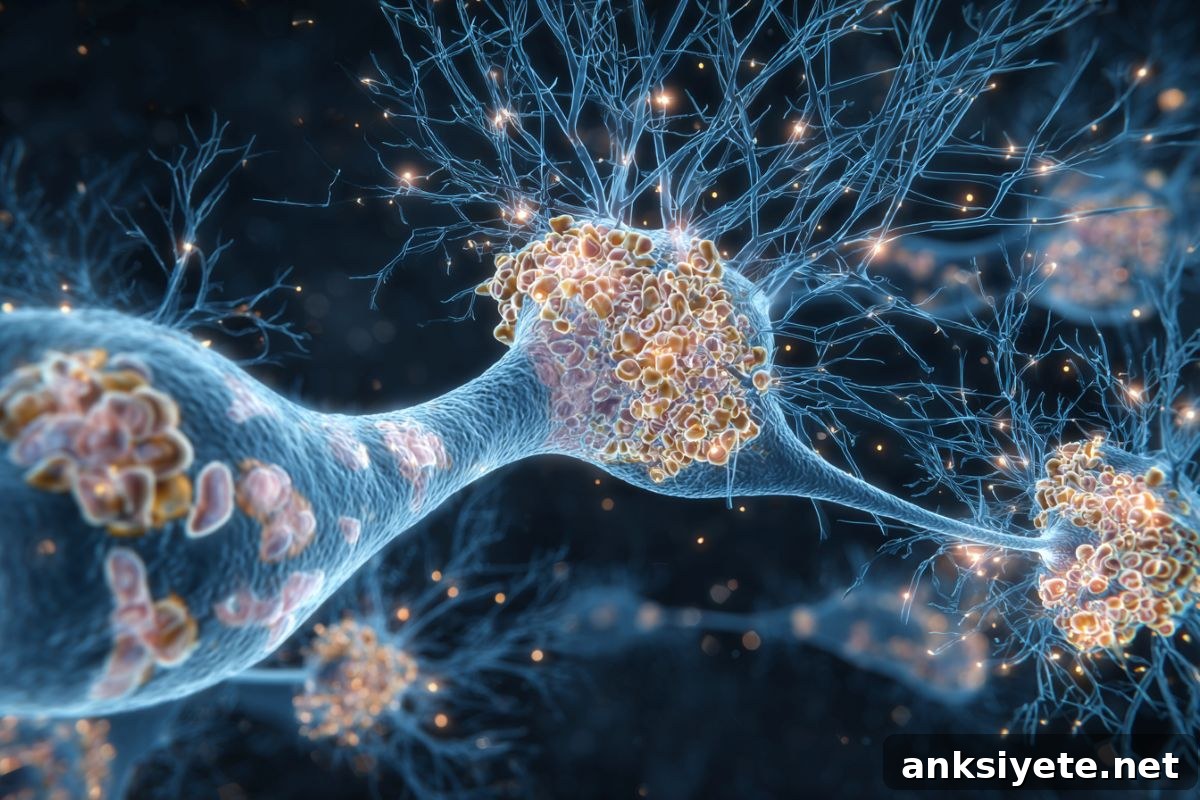
Researchers at the University of Alabama at Birmingham (UAB) and the University of Illinois Chicago applied complementary approaches to dissect olfactory stem cell behavior in vivo. Live imaging of developing zebrafish embryos enabled visualization of cellular dynamics over time. Quantitative cell tracking captured how progenitors divide, move and adopt new identities. Single-cell RNA sequencing profiled gene expression states associated with those transitions. Together, these methods revealed both the molecular players and the multicellular organization that sustain olfactory neurogenesis.
The team identified an antagonistic interaction between Notch signaling and the transcription factor insulinoma-associated 1a (Insm1a) that functions as a bistable toggle switch. This switch converts variable signaling inputs into discrete outcomes—either maintaining progenitor identity or driving differentiation toward sensory neurons. Retinoic acid cues from other tissues modulate this network, and modeling shows the switch’s tight regulation underlies the reliable self-assembly of progenitor neighborhoods despite stochastic fluctuations in signaling.
Single-cell analyses indicate that nascent olfactory neurons emerge from transient, locally organized groups of cells the authors term cellular neighborhoods. These neighborhoods act as transient niches: they concentrate signals, coordinate fate commitment among neighboring progenitors and channel differentiating cells toward the appropriate migratory path. Differentiating neurons then respond to guidance cues such as brain-derived neurotrophic factor (BDNF) to migrate apically and integrate into the mature sensory layer.
This work demonstrates how stochastic signaling networks are interpreted across space and time to maintain a balance between progenitor pools and differentiated neurons, thereby enabling sustained neurogenesis in a complex sensory organ. The mechanisms uncovered in zebrafish provide a molecular and cellular framework that can be tested across vertebrates and may ultimately inform efforts to promote neural regeneration or to correct developmental disorders.
Lead author Sriivatsan Govinda Rajan, Ph.D., and corresponding author Ankur Saxena, Ph.D., from UAB’s Department of Cell, Developmental and Integrative Biology, emphasize that the human nose continually replaces its sensory neurons over the lifespan, a rare form of sustained neuroregeneration. Building on these findings, the researchers aim to determine whether the identified pathways can be harnessed or adapted to influence neural development and repair in other contexts. Long-term goals include exploring new therapeutic avenues for patients with neurodevelopmental or neurodegenerative conditions.
Co-authors include Lynne M. Nacke (UAB), and Joseph N. Lombardo, Farid Manuchehrfar, Kaelan Wong, Pinal Kanabar, Elizabeth A. Somodji, Jocelyn Garcia, Mark Maienschein-Cline and Jie Liang (University of Illinois Chicago). Sriivatsan Govinda Rajan is currently at Memorial Sloan Kettering Cancer Center in New York City.
About this genetics and neuroregeneration research news
Author: Jeffrey Hansen ([email protected])
Source: University of Alabama at Birmingham
Contact: Jeffrey Hansen – University of Alabama at Birmingham
Image: Image credited to Neuroscience News
Original Research: Open access. Title: “Progenitor neighborhoods function as transient niches to sustain olfactory neurogenesis” by Sriivatsan Govinda Rajan et al., published in Stem Cell Reports (DOI: 10.1016/j.stemcr.2025.102575).
Abstract
Progenitor neighborhoods function as transient niches to sustain olfactory neurogenesis
Olfactory neurogenesis persists throughout vertebrate life and requires continuous generation and integration of new neurons into an intricate sensory network. How progenitor cells translate fluctuating cell–cell signals into robust fate decisions over space and time has been unclear. By tracking multicellular dynamics in the zebrafish olfactory epithelium and applying targeted perturbations, the study shows that neurogenesis is governed by reciprocal antagonism between Notch signaling and Insm1a, with responsiveness to inter-organ retinoic acid signaling. Single-cell profiling reveals that nascent neurons arise from transient cellular neighborhoods. Stochastic modeling indicates that neighborhood self-assembly is stabilized by a tightly regulated bistable toggle switch. Differentiating cells migrate in response to cues such as BDNF to become mature sensory neurons. Together, these findings explain how stochastic signaling networks spatiotemporally regulate the balance between progenitors and derivatives to drive sustained neurogenesis in a complex organ system.