
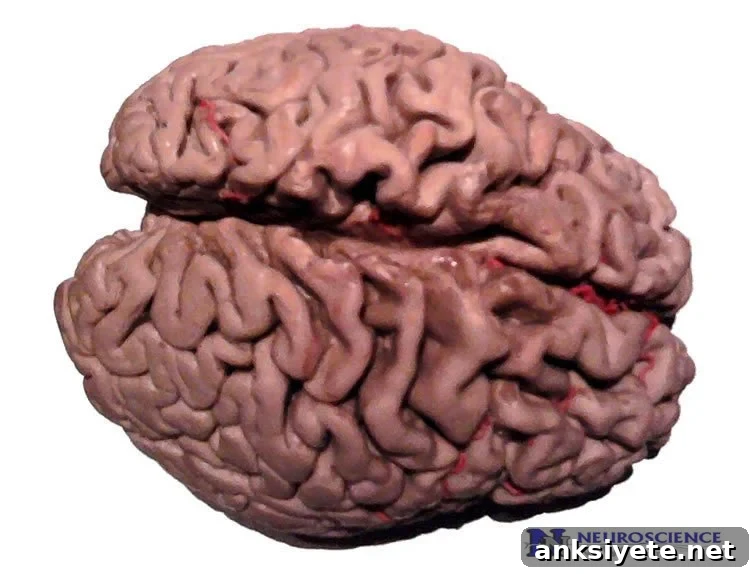
Summary: Researchers identified active compounds in Drynaria Rhizome that enter the brain, improve memory, and reduce Alzheimer’s disease markers in a mouse model.
Source: Frontiers.
Japanese researchers develop a method to isolate plant-derived therapeutic compounds for Alzheimer’s disease
Researchers in Japan have developed a systematic method to isolate and identify active therapeutic compounds from plant medicines while accounting for how those compounds behave inside the body. Applying this approach to Drynaria Rhizome, a traditional herbal remedy, the team identified several bioactive compounds that improved memory and reduced hallmark Alzheimer’s disease pathology in a mouse model.
Herbal medicines contain complex mixtures of chemical constituents. While some of these components are pharmacologically inactive, others can exert significant biological effects. When an herbal preparation shows therapeutic benefit in preclinical or clinical settings, researchers aim to pinpoint which specific molecules are responsible so they can be further developed as drugs. Traditional laboratory screening, however, typically evaluates crude extracts or isolated compounds in cell-based or cell-free assays and often fails to account for metabolism and tissue distribution that occur in living organisms.
“Candidate compounds identified by conventional benchtop screens are not always the true active agents because those assays often ignore metabolism and tissue distribution,” says Chihiro Tohda, the senior author of the study published in Frontiers in Pharmacology. The research team therefore designed a strategy that combines biochemical profiling with in vivo pharmacology to identify compounds that actually reach and act within target tissues such as the brain.
To test their method, the researchers used the 5XFAD mouse model, which carries Alzheimer’s-associated genetic mutations and exhibits memory deficits as well as accumulation of amyloid and tau proteins in the brain. The team first administered an oral extract of Drynaria Rhizome to these mice and observed improvements in learning and memory alongside reductions in amyloid and tau pathology, indicating that the extract contained neuroprotective components.
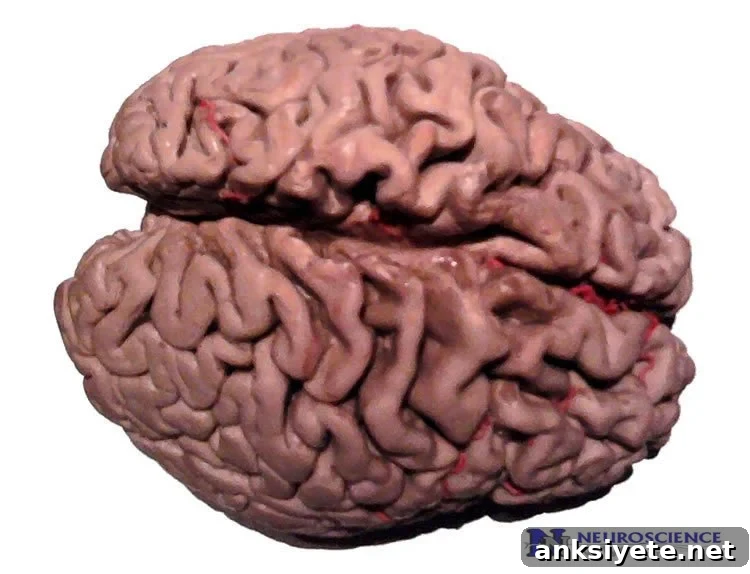
Crucially, the researchers then examined brain tissue five hours after oral administration of the extract to identify which plant-derived compounds actually reached the brain. They detected naringenin and two of its metabolites (naringenin glucuronides) in the brain tissue. To confirm that naringenin itself was responsible for the beneficial effects, the team administered pure naringenin to the 5XFAD mice and observed similar improvements in cognitive function and reductions in amyloid and tau accumulation. These results support naringenin and its brain-penetrant metabolites as the likely active constituents of the Drynaria Rhizome extract.
To explore how naringenin exerts its effects, the investigators used a combination of target identification techniques, including drug affinity responsive target stability (DARTS) and immunoprecipitation coupled with liquid chromatography/mass spectrometry. Through these approaches they identified collapsin response mediator protein 2 (CRMP2) as a neuronal protein that binds naringenin. Binding to CRMP2 was associated with neuronal growth-promoting activity, suggesting a plausible mechanism through which naringenin might improve synaptic function and mitigate Alzheimer’s-related deficits.
The authors emphasize that this workflow—linking in vivo tissue distribution and metabolite profiling with pharmacological testing and target identification—provides a robust way to discover authentic active compounds from natural products. Because many promising compounds are transformed by metabolism or fail to reach the relevant tissue, evaluating bioavailability and brain penetration early in the discovery process increases the likelihood of finding therapeutically relevant molecules.
Tohda and colleagues plan to apply this strategy to discover drug candidates for other conditions, including spinal cord injury, depression, and sarcopenia. The approach offers a path to move traditional natural remedies toward evidence-based drug development by focusing on molecules that actually reach and act within target organs.
Funding: Supported by the Institute of Natural Medicine at the University of Toyama.
Source: Frontiers. Image source: public domain.
Original Research: “A Systematic Strategy for Discovering a Therapeutic Drug for Alzheimer’s Disease and Its Target Molecule” by Zhiyou Yang, Tomoharu Kuboyama, and Chihiro Tohda, Frontiers in Pharmacology. Published online June 19, 2017. DOI: 10.3389/fphar.2017.00340.
Frontiers. “Plant Reveals Anti‑Alzheimer’s Compounds.” Neuroscience News. Published June 20, 2017.
Abstract
A Systematic Strategy for Discovering a Therapeutic Drug for Alzheimer’s Disease and Its Target Molecule
Natural medicines are attractive sources of lead compounds for neurodegenerative disorders, but their complex chemistry and unclear metabolic profiles complicate both usage and active constituent identification. This study reports a systematic strategy to evaluate bioactive candidates from natural medicines for Alzheimer’s disease. Drynaria Rhizome improved memory and reduced Alzheimer’s pathology in 5XFAD mice. Biochemical analysis identified brain‑penetrant bioactive metabolites, specifically naringenin and its glucuronides. Mechanistic studies combining drug affinity responsive target stability with immunoprecipitation–liquid chromatography/mass spectrometry identified collapsin response mediator protein 2 (CRMP2) as a target of naringenin. These results demonstrate that integrating biochemical analysis with pharmacological evaluation can reveal novel targets and authentic active compounds for Alzheimer’s disease intervention.
“A Systematic Strategy for Discovering a Therapeutic Drug for Alzheimer’s Disease and Its Target Molecule” by Zhiyou Yang, Tomoharu Kuboyama, and Chihiro Tohda. Frontiers in Pharmacology. Published online June 19, 2017. DOI: 10.3389/fphar.2017.00340.