
New research reported in The Journal of Pain indicates that inhaled cannabis can reduce pain from diabetic peripheral neuropathy, and that the analgesic effect increases with dose.
Researchers at the University of California San Diego performed a randomized, double-blind, placebo-controlled crossover trial to evaluate the short-term efficacy and tolerability of inhaled cannabis for painful diabetic peripheral neuropathy (DPN). The trial enrolled 16 participants with treatment-refractory DPN and compared placebo with three concentrations of aerosolized cannabis containing 1%, 4%, and 7% delta-9-tetrahydrocannabinol (THC), the primary psychoactive compound in cannabis.
Diabetic peripheral neuropathy affects a large portion of people with diabetes; roughly half develop neuropathy and an estimated subset experience chronic neuropathic pain, most commonly in the feet. Several FDA-approved medications can help, but many patients continue to have inadequate relief. Preclinical studies and trials in other neuropathic pain conditions have suggested cannabinoids may alleviate neuropathic pain, yet data specific to painful DPN have been limited. This study was designed to address that gap by measuring both spontaneous pain and experimentally evoked pain following controlled inhalation of measured cannabis doses.
The crossover design required each subject to complete four outpatient treatment sessions, spaced two weeks apart, receiving in random order placebo and the three active THC concentrations. Baseline assessments included spontaneous pain intensity measures, evoked pain testing (foam brush and von Frey filament), and neurocognitive testing to evaluate attention and working memory. Following administration of aerosolized cannabis or placebo, investigators recorded pain intensity and subjective “highness” at 5, 15, 30, 45, and 60 minutes, then every 30 minutes for an additional three hours. Cognitive tests were performed at similar early and repeated time points to detect transient effects on performance.
Primary analysis used linear mixed effects models to compare changes in spontaneous pain across doses and time. The study found a statistically significant, dose-dependent reduction in spontaneous pain scores (P < .001). Pairwise comparisons showed significant differences between placebo and each active dose (placebo vs. low P = .031; vs. medium P = .04; vs. high P < .001), and between the high dose and both lower active doses (high vs. low and high vs. medium both P < .001). The high dose also produced significant reductions in evoked pain measured by both foam brush and von Frey testing (both P < .001).
Although analgesic benefits were dose dependent and most consistent for spontaneous pain, adverse effects were common. All participants experienced either euphoria or somnolence at active doses, which may limit acceptability for some patients. Objective cognitive testing revealed modest but measurable impairment at the highest dose: the high THC concentration produced significant negative effects on two of three neuropsychological measures used (Paced Auditory Serial Addition Test and Trail Making Test Part B). These findings indicate that while inhaled cannabis may reduce neuropathic pain, cognitive and sedative effects should be weighed when considering therapeutic use.
Investigators note that inhalation provides rapid onset and easier dose titration compared with oral routes, making it a useful delivery method for short-term trials. The study’s small sample size and short duration limit generalizability; larger, longer-term trials are needed to define optimal dosing, assess sustained efficacy, evaluate functional outcomes, and better characterize safety and tolerability in people with diabetic neuropathy.
Source: American Pain Society
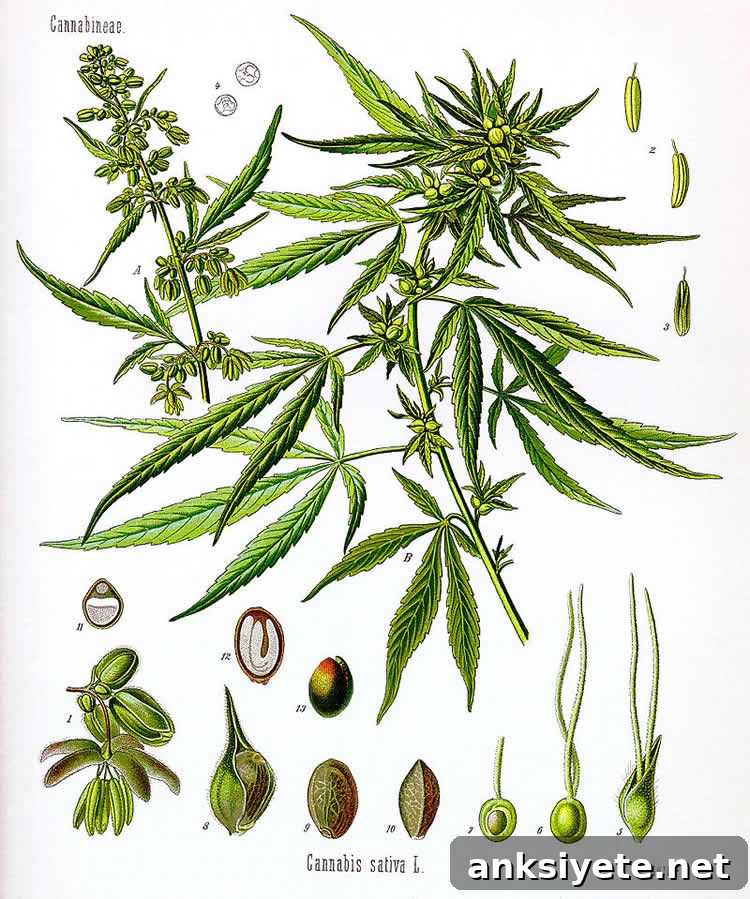
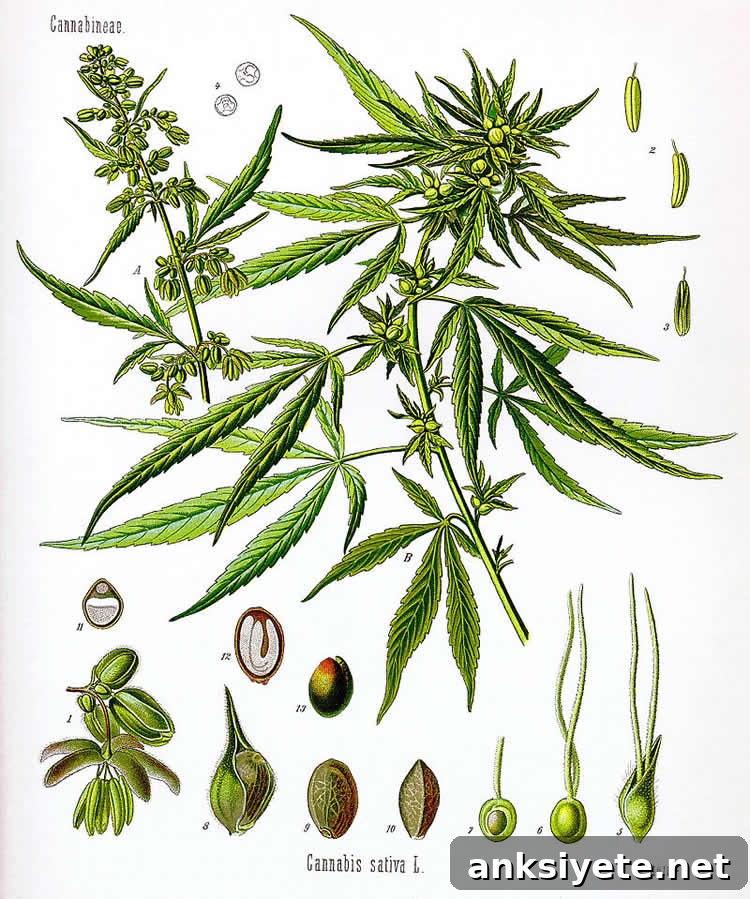
Image Credit: W. Müller (public domain)
Original Research: Abstract for “Efficacy of Inhaled Cannabis on Painful Diabetic Neuropathy” by Mark S. Wallace, Thomas D. Marcotte, Anya Umlauf, Ben Gouaux, Joseph H. Atkinson in The Journal of Pain. Published online July 7, 2015. doi:10.1016/j.jpain.2015.03.008
Abstract (condensed)
A randomized, double-blinded, placebo-controlled crossover study in 16 patients with painful diabetic peripheral neuropathy assessed short-term efficacy and tolerability of inhaled cannabis at 1%, 4%, and 7% THC versus placebo. Pain intensity and cognitive function were measured repeatedly for up to four hours after a single inhaled dose. Results demonstrated a significant dose-dependent reduction in spontaneous pain and significant analgesia with the high dose on evoked pain measures. The high dose produced modest impairment on select cognitive tests and commonly produced euphoria or somnolence. These preliminary results support further research into cannabinoids as potential treatment options for neuropathic pain, including refractory DPN, while highlighting the need to balance analgesic benefit against cognitive and sedative side effects.