

 Positive cognitive behavioral therapy (positive CBT) is a strengths-based approach that draws from positive psychology. Instead of focusing primarily on what is wrong, positive CBT highlights what is going well: the skills, character strengths, and resources a child or adolescent already has.
A practitioner of positive CBT helps young clients build strengths and learn practical strategies to manage difficulties. Common approaches include goal-setting, fostering optimism, cultivating hope, and strengthening resilience so children and teens can cope more effectively with challenges.
As schools and clinicians adopt elements of positive education, positive CBT is increasingly recognized as a valuable method for prevention and early intervention. While positive education often works as a universal or classroom-level method, many young people still enter therapy because adults—parents, teachers, or caregivers—notice problematic behaviors and seek professional help.
Children and adolescents may not always come to therapy by choice. They, or their families, may be uncertain about what therapy aims to achieve or may have difficulty trusting a new therapist. The following sections describe what young clients typically learn in a positive CBT setting and how therapists can make the work accessible and practical.
Before you continue, you may wish to download a set of practical positive psychology tools to explore and apply these ideas in your work with children and families. These resources can clarify the theory and offer exercises suitable for clinical, school, or home use.
This Article Contains:
- Inner Strengths to Nurture
- The Role of Wellbeing Is Less Clear
- Positive CBT Emphasizes the Client’s Strengths
- Continuing Therapy at Home (Homework Examples)
- Goals for Positive CBT
- References
Inner Strengths to Nurture
Ideally, children learn early how their beliefs shape their feelings and actions. As young people move into adolescence, many experience the world as confusing, unfair, or isolating. Early CBT-style interventions can help them interpret experiences more accurately and develop skills to navigate the bumpy passage to adulthood.
Optimism, hope, and resilience are central to a flourishing life. Research shows these are practical, measurable strengths that influence school performance, mental health, and behavior.
Optimism
Optimistic children tend to perform better academically and in extracurricular activities than children who are more pessimistic (Seligman, Reivich, Jaycox, & Gilham, 1995). Adolescents who are more optimistic also show lower levels of anger and reduced likelihood of substance use.
Parental practices influence optimism: children who are granted age-appropriate autonomy and responsibility generally develop more optimistic expectations. Conversely, frequent criticism and overcontrol can undermine a child’s positive self-talk and outlook. Peer influences grow in importance during adolescence, but early parental feedback often leaves a lasting imprint on how children interpret events.
Hope
Hopeful children typically have higher self-esteem and lower risk of depression (Bannink, 2012). Hope links to better behavioral outcomes because it supports goal-directed thinking and motivates constructive problem solving.
Resilience
Research from the International Resilience Project (Grotberg, 1995) highlights that resilient children are better able to withstand and recover from adversity. The foundations of resilience are often laid in early supportive relationships and in explicit teaching of coping skills.
Positive CBT explores which of these strengths a child or adolescent already possesses and identifies concrete ways to expand them through practice and supportive feedback.
The Role of Wellbeing Is Less Clear
Wellbeing affects physical, mental, and social functioning, but its measurement in children is still developing (Bannink, 2012). One challenge is deciding who should report on a child’s wellbeing: the child, the parents, or teachers. Each source provides useful but different perspectives. Because of these complexities, more research is needed to define reliable wellbeing measures for young people.
Positive CBT Emphasizes the Client’s Strengths

Positive CBT applies the same core principles across ages: identify what resources a child or teen possesses and activate those resources in service of their goals. Instruments like child versions of character strength surveys assess a range of positive traits—allowing therapists to tailor interventions to the strengths already present.
Therapists practicing positive CBT minimize lengthy “problem talk” and shift discussions toward strengths, solutions, and achievable steps forward. When parents arrive frustrated, practitioners often validate those concerns briefly, then redirect the conversation to strategies that build success and confidence (Bannink, 2012).
Positive CBT in Group Therapy
Group programs, such as school-based resilience training, teach cognitive behavioral skills, problem-solving, and positive psychology techniques to reduce the risk of depression and improve coping (Bannink, 2012). Tools like the ABC model—exploring how beliefs shape emotions and behavior—help young people identify inaccurate thoughts and rehearse more realistic alternatives.
Group work also emphasizes practical skills: assertiveness, decision-making, emotion regulation, and creative problem-solving. Positive psychology contributes methods for building hope, encouraging brainstorming, and strengthening adaptive responses to stress (Seligman, 2015).
Continuing Therapy at Home (Homework Examples)
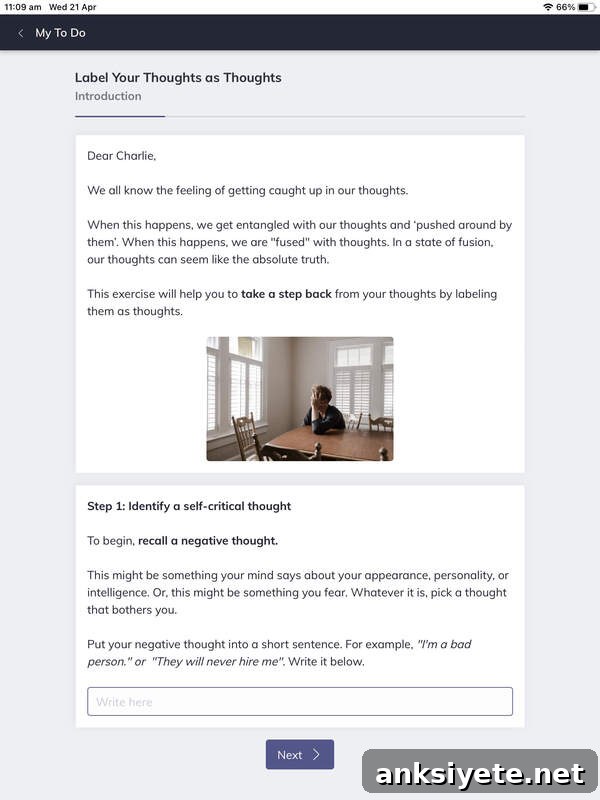
Homework is a staple of CBT and remains useful with children and teens. Home assignments help transfer skills from the therapy room into everyday life. Good tasks are clearly guided, achievable, and linked to the client’s goals (Bannink, 2012).
Assignments vary by age and family context: some are completed independently by the adolescent; others are designed for joint completion with a caregiver. Digital tools and blended-care platforms can help therapists share structured exercises, track progress, and provide prompts between sessions.
Examples of homework include step-by-step cognitive defusion exercises that teach young clients to notice and distance themselves from negative thoughts, and collaborative activities like the “Wonder Bag.” In the Wonder Bag, child and parent each write five wishes on separate slips of paper, place them in bags, then exchange them. Each week, one wish is drawn and the recipient tries to make it happen—strengthening responsiveness, follow-through, and positive parent–child interactions.
Simple behavioral prompts can also reinforce change: a therapist might ask a child to notice a parent’s expression when homework is started without reminders, using that positive feedback to strengthen independent completion and reinforce desirable routines.
Goals for Positive CBT
The primary goal is to build strengths and reduce the likelihood of future problems. Ideally, children and adolescents learn to generate positive emotions, adapt successfully to setbacks, and hold a realistic but optimistic view of their future. When young people discover and practice their strengths, they not only become more resilient but often experience improved relationships with parents, teachers, and peers.
By combining skill-building with strength-focused conversations, positive CBT offers a practical pathway for children and families to thrive.
For additional tools and exercises to apply these ideas, consider exploring curated positive psychology resources and practical worksheets available from reputable educational and clinical sources.
References
- Bannink, F. (2012). Practicing Positive CBT: From Reducing Distress to Building Success. Wiley-Blackwell.
- Grotberg, E. (1995). A Guide to Promoting Resilience in Children: Strengthening the Human Spirit. Early Childhood Development: Practice and Reflections (Vol. 8). Bernard van Leer Foundation.
- Seligman, M. (2015). Resilience training for educators. (Resource on educator resilience.)
- Seligman, M. E., Reivich, K., Jaycox, L., & Gillham, J. (1995). The Optimistic Child. Houghton Mifflin.