BA or DA: How Syllable Tests Reveal AI Limits
featured 46469

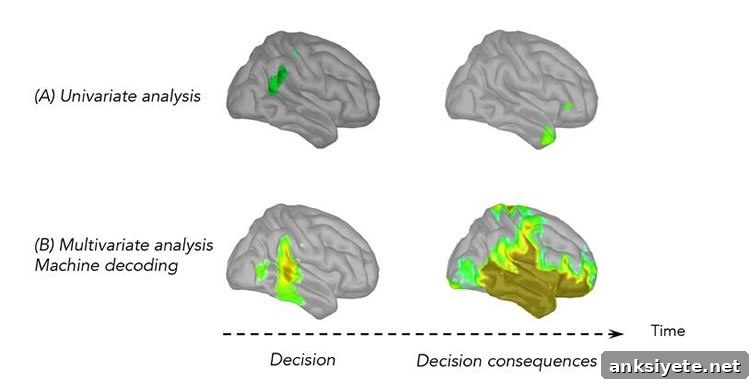
Summary: A new study shows that current machine learning algorithms may not reliably identify the actual brain regions used to process specific syllables. While machine learning can decode mental states from neuroimaging data, it does not necessarily reveal the neural mechanisms the brain uses to perform specific tasks. Source: University of Geneva. For roughly the … Read more
New Immune Cell May Trigger Brain Inflammation in MS

featured 79165

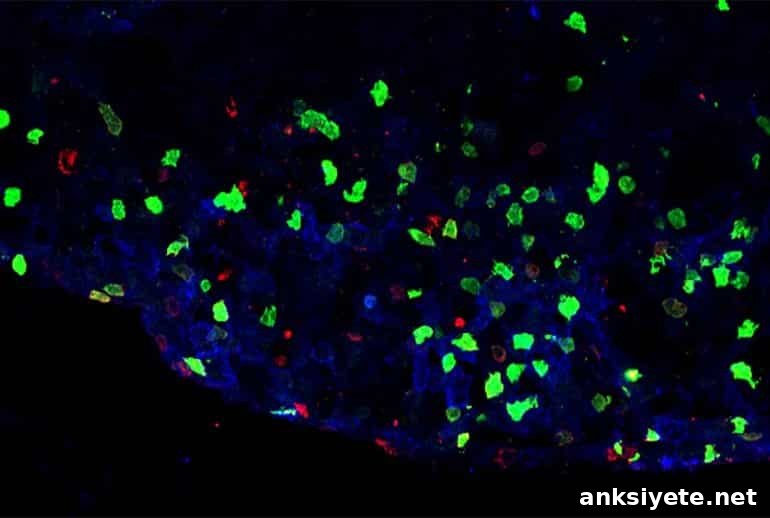
Summary: A distinct subset of group 3 innate lymphoid cells triggers T cells to attack myelinated nerve fibers in mouse models of multiple sclerosis, suggesting a new target for treating neuroinflammatory disease. Source: Weill Cornell University Researchers at Weill Cornell Medicine and NewYork-Presbyterian have identified a previously unrecognized subset of innate immune cells that appears … Read more

Hippocampal CA1 Hub Protects Long-Term Memory

featured 117365

Summary: Researchers have resolved a central question in neuroscience: how the brain can remain adaptable enough to learn new information while preserving older memories. The study shows that the hippocampus reuses a dedicated core group of neurons to route different memories through distinct activity patterns, preventing new learning from overwriting established information. Using simultaneous recordings … Read more

Vitamin D Linked to Slower Biological Aging

featured 110252

Summary: New results from the VITAL randomized trial indicate that daily supplementation with vitamin D3 helps preserve telomere length in older adults, potentially slowing a key biological mechanism of aging. Telomeres are protective caps at the ends of chromosomes that progressively shorten with age and have been linked to higher risks of chronic disease. Across … Read more

Brain Activity Predicts Which Children Will Be Generous

featured 18792

Researchers at the University of Chicago have identified specific brain markers that predict generosity in young children. These neural signatures appear to reflect both rapid social-emotional responses and later moral evaluation processes. Prosocial behavior takes many forms. While preschoolers often help spontaneously, their sharing of resources tends to be more self-centered. Jean Decety, the Irving … Read more

Do Men and Women Hear Differently? What Science Says

featured 116850

Summary: New research highlights meaningful biological differences in how men and women process sound. The study emphasizes that hearing is strongly influenced by hormonal fluctuations and argues against the long-standing medical practice of applying male-centered study findings directly to women. Recognizing these sex-dependent differences is essential for more accurate diagnosis, better clinical management, and truly … Read more

Trust Your Gut: How Intuition Influences Decisions

featured 51249

Summary: Researchers find that decisions made by intuition—our gut feelings—are more likely to be seen as expressions of the true self and are held with greater certainty. Source: American Psychological Association Why do some people trust their gut over careful reasoning? New research suggests that when people rely on intuition, they view those snap choices … Read more

Fat-Dissolving Bile Acids Could Reduce Gut Inflammation

featured 61231

Summary: Two Harvard studies in mice reveal how bile acids influence immune balance and intestinal inflammation. Source: Harvard Do bile acids—the fat-emulsifying fluids produced by the liver and stored in the gallbladder—also shape immunity and inflammation? Evidence from two independent studies by Harvard Medical School teams, both published in Nature, points to a clear yes. … Read more

How Your Choices Shape Memory More Than Emotions

featured 113253

Summary: New research shows that conscious control over memory—deciding to remember or forget—has a stronger influence on what we retain long-term than the emotional charge of an item. Participants reliably recalled words they were instructed to remember more often than emotionally charged words, even though negative emotion sometimes improved recall or led to false memories. … Read more

Hyperbaric Oxygen Reverses Alzheimer’s and Dementia Hallmarks

featured 77299

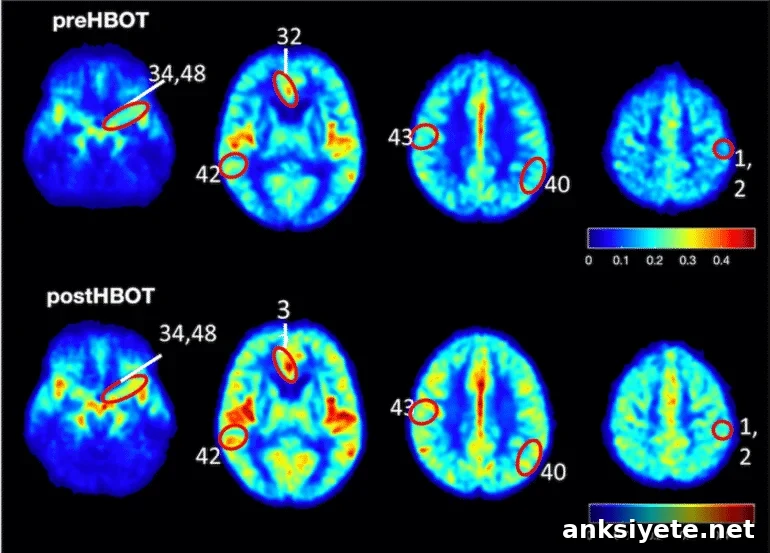
Summary: Hyperbaric oxygen therapy (HBOT) improved cerebral blood flow by up to 23% in elderly patients, reduced vascular dysfunction and amyloid burden in an Alzheimer’s disease model, and produced a 16.5% average improvement in memory performance. Source: Tel Aviv University A research team from Tel Aviv University reports that hyperbaric oxygen therapy (HBOT) can reverse … Read more