Study Finds Distinct Brain Changes in Pedophilic Offenders

featured 35286

Brain Differences Linked to Offending in Pedophilia: Study Points to Inhibitory Control Variations Summary: A multisite brain imaging study finds specific neural and behavioral differences between pedophiles who have committed hands-on sexual offences and those who have not, suggesting stronger inhibitory control in non-offending individuals. Source: Wiley Study overview A new collaborative research project funded … Read more
How to Reduce Autoimmune Risk After Viral Infections

featured 43893

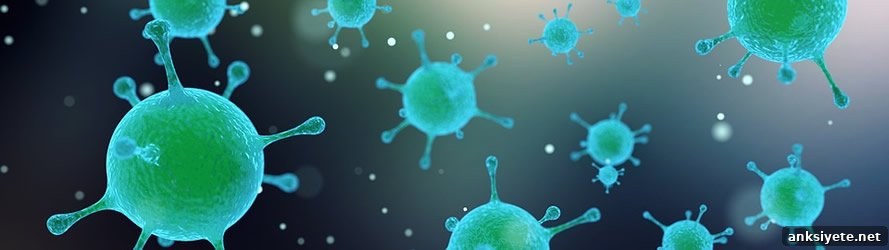
Summary: A study published in Nature Immunology identifies a cellular mechanism that helps prevent autoimmune disease after infection. Researchers report that a specific population of immune cells arises during the late phase of the response to influenza and helps block the development of self-reactive antibodies. Source: University of Alabama at Birmingham Researchers investigate how the … Read more

How Neurons Trigger Sleepwalking

featured 19610

The brain’s internal “GPS” stays active during sleep, a discovery that may shed light on navigational difficulties seen in Alzheimer’s disease and other neurological conditions. Scientists at NYU Langone Medical Center have demonstrated that head direction cells—neurons that encode the direction an animal is facing—remain electrically active during sleep and continue to represent a coherent … Read more

Study: Coffee Linked to Lower Alzheimer’s and Parkinson’s Risk

featured 52290

Summary: Researchers report that drinking coffee may lower the risk of developing Alzheimer’s and Parkinson’s disease. The study finds that compounds formed during roasting — particularly in dark roasts — show the strongest neuroprotective activity. Source: Universal Health Network. Approximately 500 billion cups of coffee are consumed worldwide each year. A new study from the … Read more

Study Finds AI-Generated Faces Seen as More Trustworthy

featured 80589

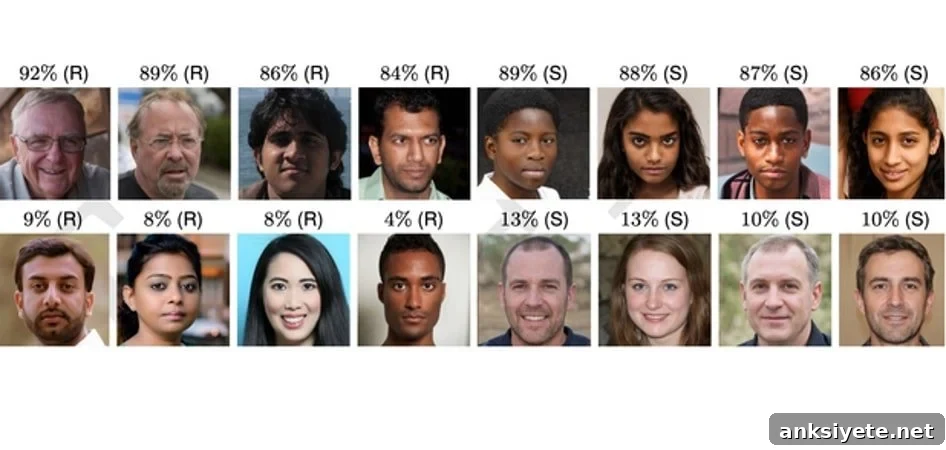
Summary: People struggle to tell apart real faces from faces synthesized by AI using StyleGAN2, and, strikingly, participants judge AI-generated faces as slightly more trustworthy than real ones. Source: Lancaster University Researchers report that faces created by artificial intelligence with StyleGAN2 are nearly indistinguishable from real human faces, prompting calls for stronger safeguards against misuse … Read more

How the Brain Plans and Forms Words Before We Speak

featured 99811

Summary: Using ultrahigh-density Neuropixels probes, researchers have mapped how human neurons plan and produce speech. The study identifies specific neuronal populations in the prefrontal cortex that encode phonemes and assemble them into syllables, and it reveals distinct neural pathways for speaking and listening. The findings clarify how consonants and vowels are represented in the brain … Read more

Why Sex and Gender Matter in Scientific Research

featured 60436

Summary: Considering sex (the biological characteristics that distinguish males, females, or intersex individuals) and gender (the psychological, social, and cultural factors shaping identity and roles) in research design can strengthen scientific rigor, reduce bias, and open new opportunities for discovery and innovation. Source: University of Exeter Thinking about sex and gender would help scientists improve … Read more

High SIRT1 Levels Do Not Improve Learning or Memory

featured 846

New research published today adds to growing evidence that the protein SIRT1 plays an important role in learning and memory in mice. While removing SIRT1 impairs cognitive function and alters neuronal structure, increasing SIRT1 beyond normal levels does not further enhance learning or memory, suggesting a complex, non-linear role for this protein in the brain. … Read more

New Study Reveals How Math Triggers Beauty in the Brain

featured 13289

Summary: Researchers have found that when mathematicians view mathematical formulas they consider beautiful, the same brain region that responds to beauty in art and music becomes active. This finding points to a neurobiological basis for the experience of beauty across sensory and intellectual domains. A study used functional magnetic resonance imaging (fMRI) to scan the … Read more

How Brain Changes Lead to Long COVID Symptoms

featured 82348

Summary: Evidence increasingly indicates that immune-mediated damage, rather than direct viral invasion of brain cells, likely explains many of the long-term neurological effects reported after COVID-19. Source: Yale Although COVID-19 is fundamentally a respiratory disease, its effects frequently extend to the nervous system. Clinicians and researchers have documented a wide range of neurologic and psychiatric … Read more